The short answer
Five days in Siwa from Cairo means four nights: drive in and watch sunset from Shali on day 1; tombs, the Oracle Temple and a spring on day 2; a salt-lake float and a night camping in the Great Sand Sea on day 3; a slow day of cycling, shopping and Fatnas on day 4; drive home on day 5. It suits slow travellers, photographers and families.
Ask us on WhatsAppThe plan at a glance
Short answer: Four nights: three in a lodge and one in a desert camp. Day 1 is the drive, day 2 history and springs, day 3 the salt lakes and the Great Sand Sea overnight, day 4 a slow day back in the oasis, and day 5 the drive home.
| Day | Plan | Night |
|---|---|---|
| 1 | Cairo to Siwa (about 750 km); sunset at Shali | Lodge |
| 2 | Gebel al-Mawta, Oracle Temple, Umm Ubayda, a swim at Cleopatra Spring or Abu Shuruf | Lodge |
| 3 | Salt lakes in the morning; 4x4 into the Great Sand Sea after lunch, sandboarding, Bir Wahed, sunset | Desert camp |
| 4 | Sunrise on the dunes; back to town; cycling, Siwan House, market; sunset at Fatnas | Lodge |
| 5 | Siwa to Cairo or Alexandria |
This order keeps the heavy days apart. The long drive is never followed by an early start, and the cold camp night is never followed by the long drive.
Day 1: Cairo to Siwa
Short answer: Siwa is about 750 km from Cairo by road: about 9 hours of driving, or about 10 hours with stops. Go via El Alamein and Marsa Matruh and you arrive in time for sunset.
Leave Cairo around 06:00 on the desert road to El Alamein, then follow the coast west to Marsa Matruh for lunch and fuel. The last 300 km run south across empty plateau with one roadside café. Carry your passport for the checkpoints; permits and checkpoints explains what happens at each. Distances and times are in how to get to Siwa.
Ignore maps that suggest coming in from Bahariya. For the desert road linking Bahariya and Siwa, the UK government (FCDO) "advises against all but essential travel", so we route via Cairo and the coast. The same advice names the oasis town of Siwa and the Marsa Matruh-Siwa road as exceptions to its wider Western Desert warning (FCDO Egypt travel advice, updated 27 October 2026, checked 19 November 2026).
Check in, then walk up Shali before the light goes. In late November the sun sets at about 17:20, so on a winter trip drop the bags and go straight there.
Day 2: history in the morning, water at midday
Short answer: Tombs and temples while it is cool, a swim when it is warm, and a quiet evening in town. The whole morning loop is under 10 km.
Start at Gebel al-Mawta for the painted Tomb of Si-Amun and the view over the palms. Wikivoyage gives its hours as 09:00 to 15:00 from Saturday to Thursday and 09:00 to noon on Friday (checked 19 November 2026), so if day 2 is a Friday, do the tombs first and keep the temple for later.
Continue to the Oracle Temple on the rock of Aghurmi and walk down to the last standing wall of Umm Ubayda. Swim before lunch at Cleopatra Spring, or go further east to the quieter pools of Abu Shuruf, which add 30 to 45 minutes each way by car. The others are in Siwa's springs.
Rest through the middle of the day and eat in town: see restaurants in Siwa. After dark, evenings in Siwa lists what is open.
Day 3: salt lakes and a night in the dunes
Short answer: Float in the salt pools in the morning, leave for the Great Sand Sea after lunch, and stay out for the night.
The salt lakes are best between mid-morning and early afternoon, when the water has warmed. NASA describes Siwa's salt ponds as dense enough to float in (NASA Earth Observatory). Bring a few litres of fresh water to rinse, and do not shave that morning: the brine stings any cut.
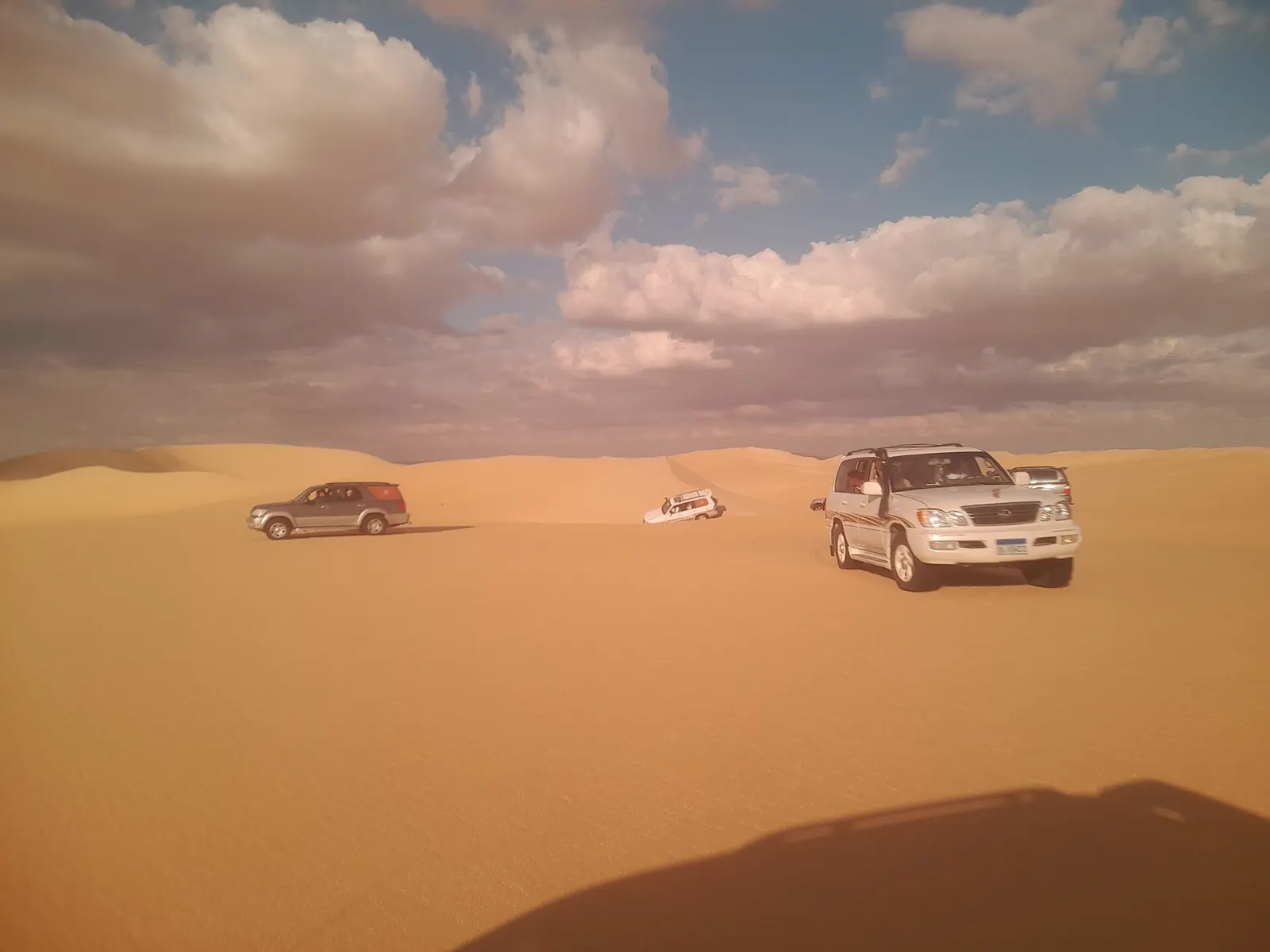
After lunch the 4x4 heads into the Great Sand Sea: dune driving, sandboarding, fossil shells, then a soak at Bir Wahed, a warm spring about 12 km south-west of the market square in a straight line. Watch sunset from a high dune, then drive to camp for dinner cooked on the fire. What a dune drive feels like is in the 4x4 safari guide; camp kit and toilets are covered in camping in Siwa.
Desert nights are cold from December to February. In town the average January low is 6.1 °C (WMO 1991-2020 normals) and the station's record January low is −2.2 °C, both from the Siwa climate table. The open dunes feel colder, so bring a warm jacket, a hat and thick socks. On a clear night far from the town lights, this is the best evening of the trip for stargazing.
Day 4: slow Siwa
Short answer: Sunrise in the dunes, a late breakfast, then a day with nothing to rush for.
You are back at the lodge by late morning. Sleep, swim or read, then take a bike through the palm lanes in the late afternoon; getting around Siwa covers bikes and tuk-tuks. Visit the Siwan House museum, shop for dates, olive oil and crafts on the market square, and finish at Fatnas for sunset over Lake Siwa.
Day 4 is also your weather buffer. If wind or a sandstorm stopped the camp on day 3, the dune night can often move here and the plan still ends with a lodge night before the drive; ask us how this works for your dates.
Day 5: home
Leave after breakfast, around 07:00, to reach Cairo in the late afternoon or Alexandria by early afternoon. Do your shopping for dates and olive oil on day 4, not on the way out.
How far you travel each day
Short answer: Days 1 and 5 are about 750 km each. Days 2 and 4 stay within 5 km of the market square; only day 3 goes beyond the tarmac.
| Day | Furthest point from the market square | Road distance | Best way to get there |
|---|---|---|---|
| 1 | Cairo to Siwa | About 750 km | Private car |
| 2 | Cleopatra Spring | 3.4 km | Bike (17 min) or tuk-tuk |
| 2 (option) | Abu Shuruf | 27 to 34 km | Car, 30 to 45 min |
| 3 | Salt pools | 14.6 km | Car, 20 to 25 min |
| 3 | Bir Wahed and the dunes | About 12 km in a straight line, sand at the end | 4x4 with a licensed driver |
| 4 | Fatnas | 4.7 km | Bike (23 min) or tuk-tuk |
| 5 | Siwa to Cairo | About 750 km | Private car |
Local distances are our OpenStreetMap measurements, explained on the Siwa map. Bike times assume an easy pace on flat lanes.
Daylight changes the timings
Short answer: Winter gives you about ten and a half hours of light, high summer nearly fourteen. Move the safari start to suit.
| Date | Sunrise | Sunset | Daylight | What to change |
|---|---|---|---|---|
| 19 November 2026 | 06:44 | 17:21 | 10 h 37 min | Leave for the dunes by 13:30 |
| 15 January 2027 | 07:12 | 17:41 | 10 h 29 min | Safari by 14:00; Shali on day 1 only if you arrive by 16:30 |
| 15 April 2027 | 05:52 | 18:44 | 12 h 52 min | Every activity fits the day |
| 15 July 2027 | 06:28 | 20:18 | 13 h 50 min | Sights before 10:00, dunes from 16:30, salt lakes late afternoon |
Times are local, from timeanddate.com's Siwa sun tables (checked 19 November 2026). Egypt moves its clocks forward an hour on 30 April 2027, which is why sunset jumps from 18:44 in mid-April to 19:53 on the last day of the month.
Adjusting for the season
| Season | Average high / low in Siwa | How the days change |
|---|---|---|
| December to February | 20 to 22 °C / 6 to 8 °C | Short days: start the safari by 14:00. Camp night needs warm layers. |
| March to April, October to November | 26 to 33 °C / 11 to 17 °C | The easy months: every activity works through the day. |
| June to August | About 40 °C / 23 to 25 °C | Sightsee before 10:00 and after 16:00; leave for the dunes late and camp when it cools. |
Temperatures are WMO 1991-2020 normals for the Siwa weather station. Month-by-month figures are on Siwa weather, with more in best time to visit Siwa and Siwa in winter.
Crowds matter as much as heat. The Eids, Sham el-Nessim and Egypt's mid-year school break fill lodges and Fatnas at sunset; our 2027 events and holidays calendar has the dates. If the dune night falls near a full moon, the stars fade but the sand glows; check the 2027 moon calendar when you pick day 3.
What five days costs
Short answer: About US$200 to 370 per person travelling on a budget, about US$400 to 890 with an eco-lodge and guided days, or our private trip price plus one lodge night.
| Style | Per person, 5 days | Notes |
|---|---|---|
| Budget, by bus | About US$200 to 370 | Night bus, guesthouse, bikes; dune trip paid locally |
| Comfortable, independent | About US$400 to 890 | Night bus, eco-lodge, one guided day and one safari |
| Private, with us | About US$495 to 825 for the 4-day trip, plus the extra night | Car, driver, Siwan guide, 4x4, camp, desert permit and entry fees; ask us for the price of the fifth day |
The first two rows come from our Siwa trip cost guide, which breaks down bus fares, rooms and meals. On our trips, lunches and dinners in town and tips are not included. For cash and card machines, read money, ATMs and internet before you go.
Mistakes to avoid
- Camping on the last night. You lose sleep and then face about 9 hours of driving. Keep the dune night on day 3.
- Reaching Shali after sunset. The footpaths through the ruins are uneven, and the view you came for is gone once the sun drops. Start up about 45 minutes before sunset.
- Forgetting Friday. Wikivoyage lists noon closing for Gebel al-Mawta on Fridays, so plan the tombs early that day.
- Floating with cuts or open eyes. The salt stings. Keep your head up and rinse afterwards.
- Cycling back from Fatnas without a light. Sunset over the lake means riding home in the dark; take a lamp or send the bike back in a tuk-tuk.
- Packing only for daytime. Even in April the dunes cool fast after sunset. The Siwa packing list has the full kit, and what to wear covers modest dress for the springs and the market.
Families and access
Five days is the length we suggest for children, because the free day absorbs tiredness after the drive and the camp. Break the road at El Alamein and Marsa Matruh rather than pushing through.
- Shali and Gebel al-Mawta involve short climbs on rough ground. Small children need a hand; buggies are no use.
- Salt pools: children float easily, but keep their faces out of the water and have fresh water ready for eyes.
- Dune drive: tell the driver if you want it gentle. Ask for a low slope for sandboarding.
- Desert camp: basic, with a simple toilet tent or a spot behind a dune and no shower. Bring warm sleepwear from November to March.
- Health: for medicines and clinics, see health and pharmacies in Siwa.
Travellers with limited mobility can still do much of this plan from a car: the springs, Fatnas, the salt lakes and the dune drive need little walking, while Shali and the tombs are the hardest stops.
Variations
- Honeymoon: swap the camp for private glamping and stay at a candlelit lodge such as Adrère Amellal. See luxury hotels in Siwa and our luxury escape.
- Photographers: use day 4 for the light at Fatnas and the old town; Siwa photography spots lists the best times.
- Summer (July and August): use day 4 for a traditional sand bath at Gebel Dakrour; see sand baths in Siwa.
- Already in Siwa: the dune night alone is our overnight desert camp.
Book it
The closest ready-made trip is our private 4 days with an eco-lodge and desert camp, at about US$495 to 825 per person for two travellers. It has the same lodge nights and desert camp but drives back to Cairo the morning after the camp; tell us you want the fifth day and we add it to your quote, or contact us with your dates. Shorter on time? See the 3-day itinerary. Longer? See the 7-day itinerary. Comparing lengths? See how many days in Siwa.
Map of the oasis
Close-up: around Siwa town
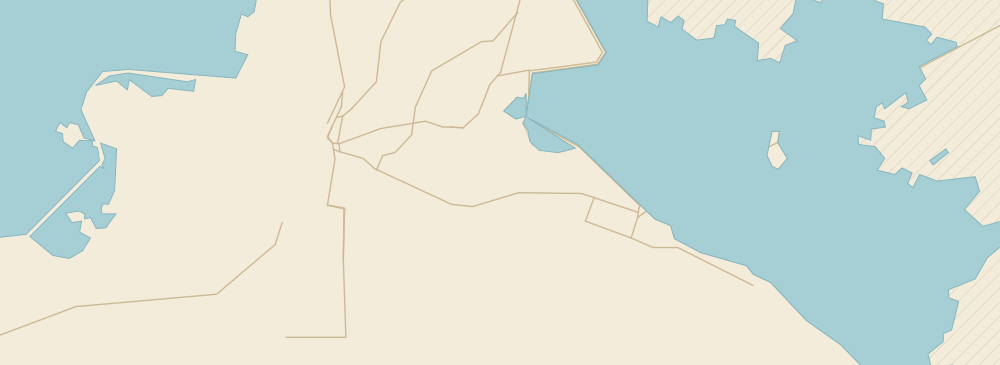
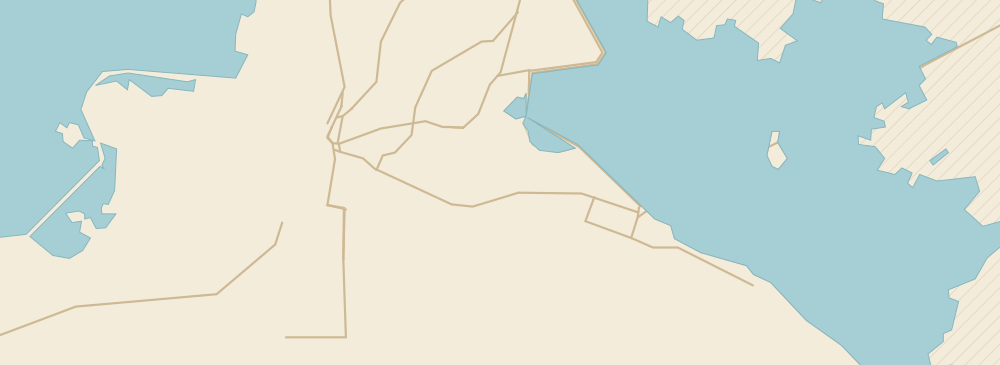
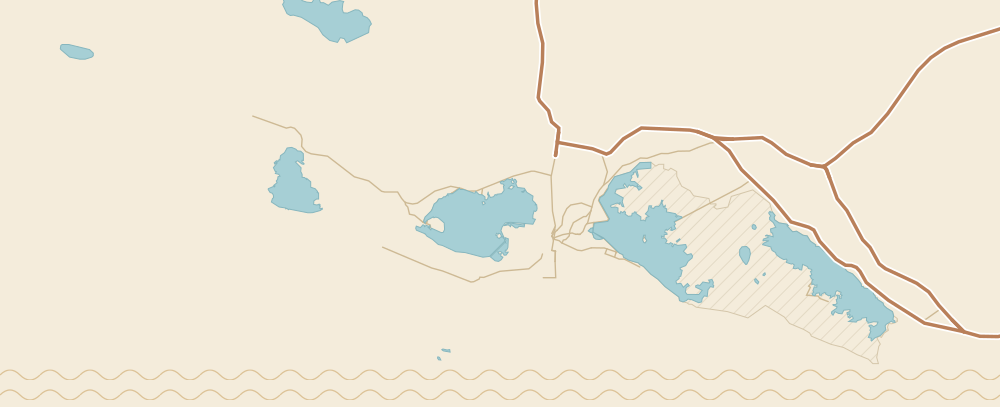
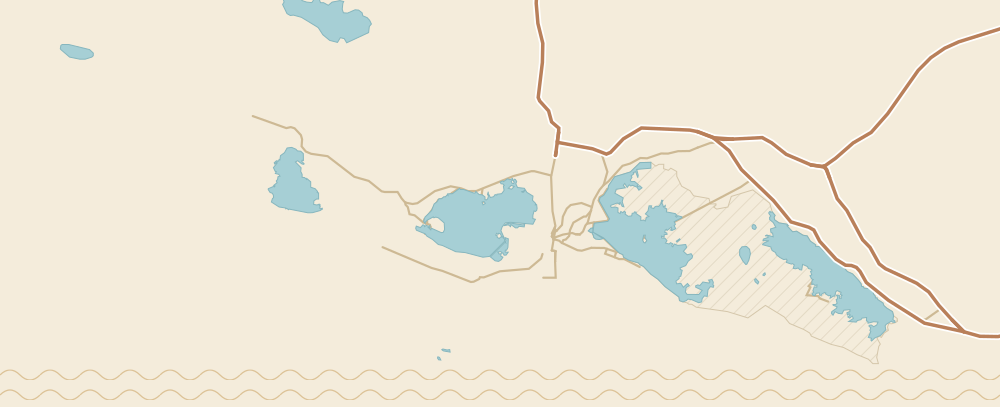
Lakes and roads drawn from OpenStreetMap; pin positions are approximate. The salt flats (hatched) dry out and flood with the seasons. Map data © OpenStreetMap contributors, ODbL.
Questions people ask
Is 5 days too long for Siwa?+
No. Two of the five days are mostly road, so you get three days in the oasis. That is enough to see the main sights, spend a night in the dunes and still have one unplanned afternoon.
Why is the desert night on day 3 and not day 4?+
So you are not driving about 10 hours to Cairo the morning after a cold night on the sand. Coming back to the lodge on day 4 gives you a shower, a proper bed and a spare day if wind forces the camp to move.
Is the desert camp shared with other travellers?+
No. On our trips the 4x4, driver and camp are for your group only. You will see other cars at Bir Wahed and the popular sunset dunes, but you eat and sleep at your own camp.
Can I start the 5 days from Alexandria instead of Cairo?+
Yes. Siwa is about 600 km from Alexandria by road: about 7.5 hours of driving, or about 8.5 hours with stops, so you arrive early enough on day 1 for Shali and dinner without rushing. See Alexandria to Siwa.
How much does a 5-day Siwa trip cost?+
Our private 4-day eco-lodge and desert camp trip is about US$495 to 825 per person for two travellers, and this plan is that trip plus one slow lodge night, which we quote for your dates and lodge. Travelling independently, our trip-cost guide puts five days at about US$200 to 370 on a budget.
Can I follow this plan without a tour?+
Mostly. Days 2 and 4 work by bike or tuk-tuk, since nearly every stop is within 5 km of the market square. The Great Sand Sea night is different: Bir Wahed and the dunes need a 4x4 with a licensed driver and a desert permit.
Does the 5-day plan work with young children?+
Yes, it is the length we suggest for families, because day 4 has no fixed programme. Ask for a short, gentle dune drive, keep children's faces out of the salt water, and bring warm sleepwear for the camp from November to March.
Go with us
Trips that include this
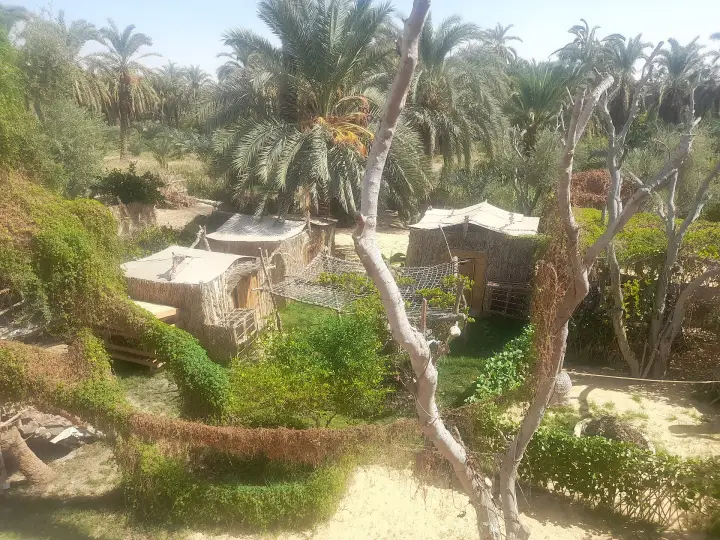
4 days, 3 nights
Siwa in 4 Days: Eco-Lodge and a Night in the Great Sand SeaAbout US$495 to 825 per person for two travellers (the lodge level decides the price)
Check dates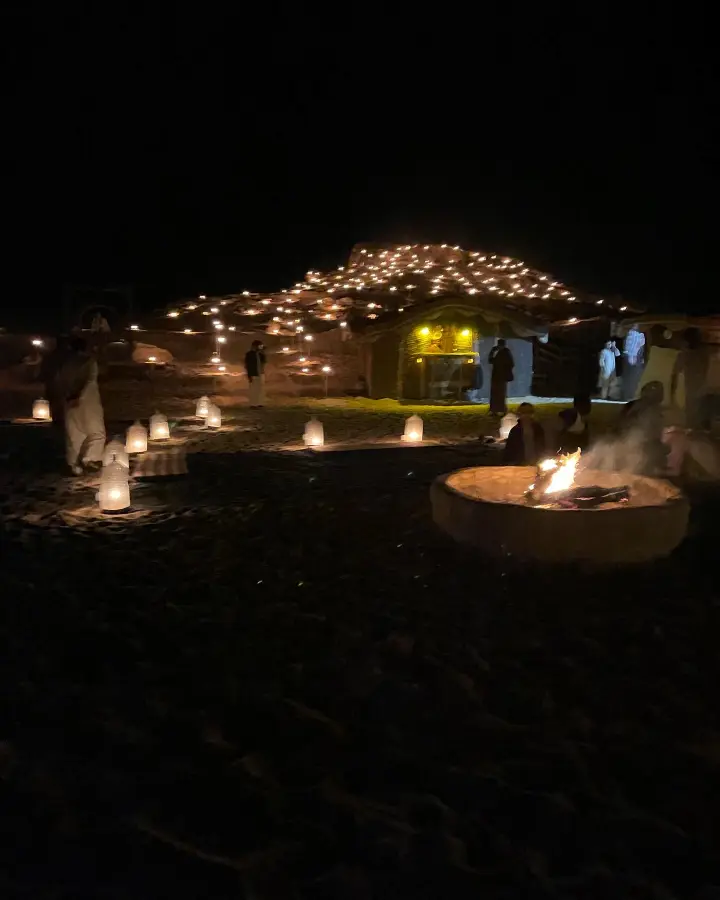
About 20 hours (afternoon to next late morning)
Overnight Desert Camp from Siwa (Private)About US$120 to 220 per person for two travellers
Check dates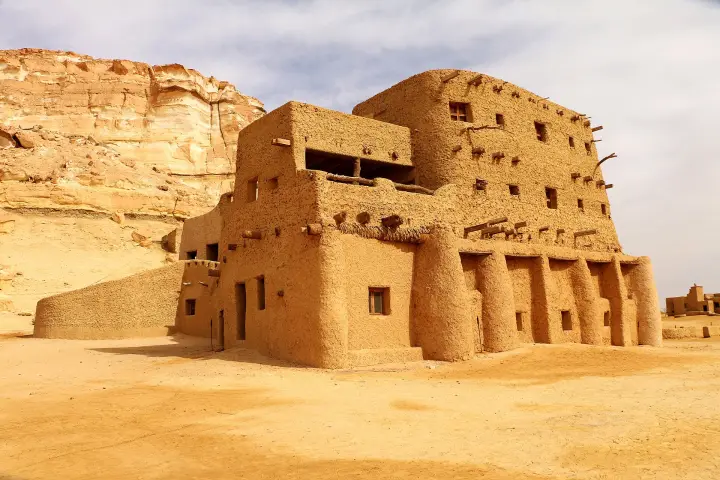
4 to 5 days (3 or 4 nights in Siwa)
Luxury Siwa: Candlelit Eco-Lodge EscapeOn request (depends on the lodge and season)
Check dates