The short answer
Siwa has a hot desert climate. In the official WMO normals for the Siwa station (1961-1990), mean highs run from 19.3 °C in January to 37.5 °C in June and July, and January nights average 5.6 °C. Records run from -2.2 °C to 48.2 °C. Rain falls on about one day a year, and the sun shines about 3,540 hours a year.
Ask us on WhatsAppSiwa's climate in brief
Short answer: dry, sunny and almost rainless, with warm to hot days and a 14 to 17 °C drop at night in every month.
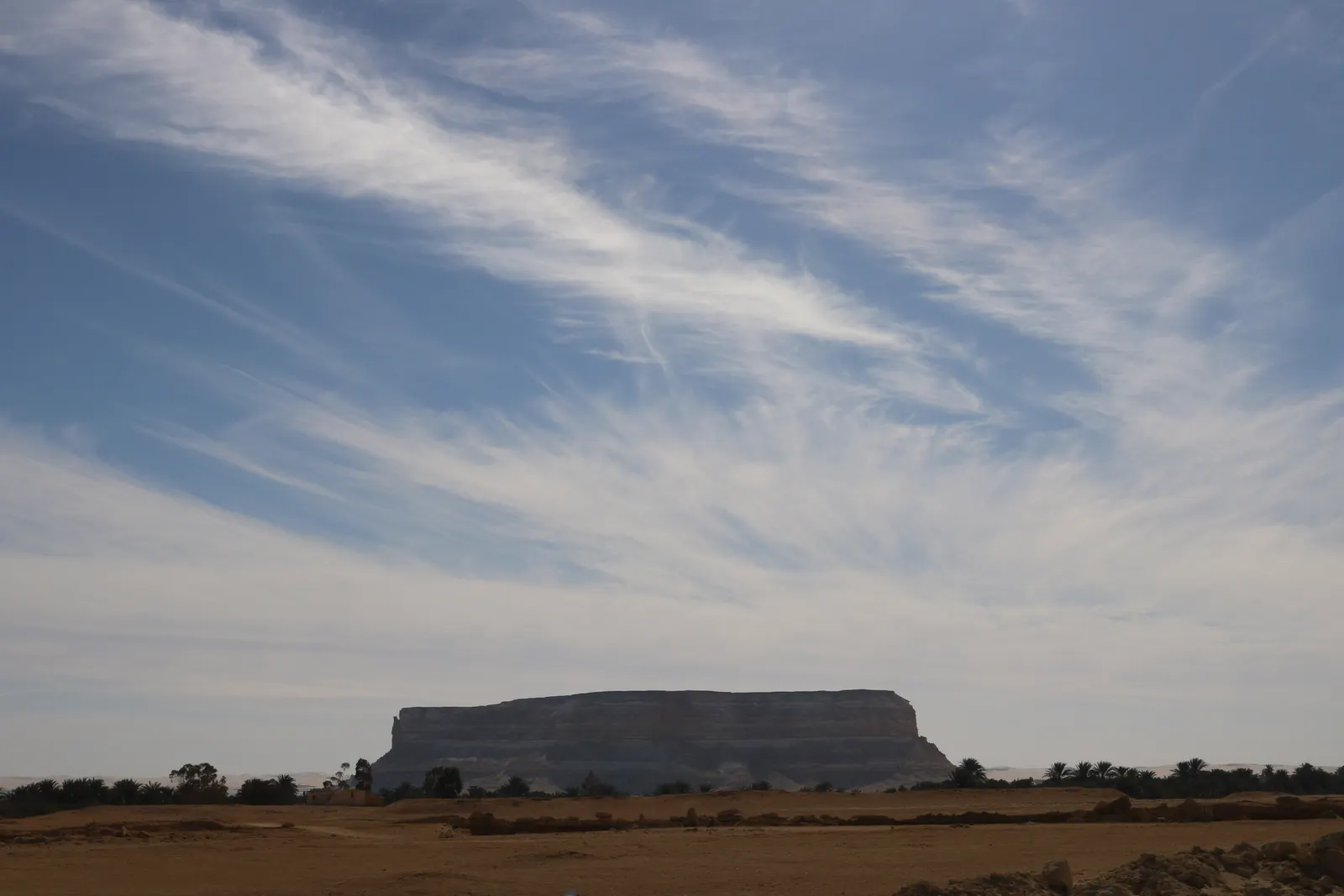
Siwa lies in a depression that reaches about 20 m (65 ft) below sea level in Egypt's Western Desert, and its climate is hot desert. The gap between day and night matters more than the daytime figure. A January afternoon is T-shirt weather; the same night is cold enough for a coat.
This page holds the numbers, and every other page on this site quotes them. For the decision, which month suits which trip, read best time to visit Siwa.
Temperature by month
Short answer: mean highs run from 19.3 °C in January to 37.5 °C in June and July; January nights average 5.6 °C.
Our baseline is the official WMO 1961-1990 normals for the Siwa station (WMO 62417, NOAA copy). It is the most recent WMO set published for Siwa; see the note on sources at the end of this page. The last column is a labelled secondary figure: Meteostat's own 1991-2020 calculation for the same station, which shows how much warmer recent decades have been. Click a month for the full month page.
| Month | Mean high (WMO) | Mean low (WMO) | Record high | Record low | Secondary: Meteostat 1991-2020 high / low |
|---|---|---|---|---|---|
| January | 19.3 °C | 5.6 °C | 29.3 °C | -2.2 °C | 20.2 / 6.8 °C |
| February | 21.5 °C | 7.1 °C | 34.6 °C | -1.3 °C | 21.8 / 8.0 °C |
| March | 24.5 °C | 10.1 °C | 41.6 °C | 0.3 °C | 25.6 / 11.1 °C |
| April | 29.9 °C | 13.7 °C | 44.8 °C | 5.7 °C | 30.2 / 14.9 °C |
| May | 34.0 °C | 17.8 °C | 48.0 °C | 7.5 °C | 34.4 / 18.1 °C |
| June | 37.5 °C | 20.4 °C | 48.2 °C | 14.0 °C | 37.8 / 21.6 °C |
| July | 37.5 °C | 21.7 °C | 45.2 °C | 17.5 °C | 39.1 / 23.3 °C |
| August | 37.0 °C | 21.4 °C | 46.2 °C | 15.9 °C | 38.7 / 23.6 °C |
| September | 34.6 °C | 19.5 °C | 42.8 °C | 11.7 °C | 36.2 / 21.8 °C |
| October | 30.5 °C | 15.5 °C | 41.9 °C | 7.8 °C | 31.3 / 17.1 °C |
| November | 25.0 °C | 10.2 °C | 37.5 °C | 2.9 °C | 25.6 / 11.6 °C |
| December | 20.5 °C | 6.5 °C | 29.0 °C | -0.7 °C | 21.3 / 7.8 °C |
| Year | 29.3 °C | 14.1 °C | 48.2 °C | -2.2 °C | 30.2 / 15.5 °C |
Records are the highest and lowest readings in the same WMO 1961-1990 set. Normals checked 15 November 2026.
Four things stand out:
- The day-night swing is about 14 to 17 °C in every month. Plan clothes for both ends of the day, not the average.
- Recent summers run hotter. The 1991-2020 figures are close to the WMO ones in winter but 1.5 to 1.7 °C higher from July to September. Plan a summer trip for about 39 °C afternoons.
- Spring heats up fast. The mean high climbs 3 to 5.5 °C a month from February to June, and March, April and May have all topped 41 °C on record. Hot spells in spring often come with the dusty khamsin wind.
- Frost is rare but possible. Readings below zero appear only in December to February, and these are town readings. Open desert away from the palms often feels colder before dawn. See staying in a desert camp for how camps handle winter nights.
Rain, humidity, sunshine and wind
Short answer: about 9 mm of rain a year, humidity under 60% in every month, and more than 3,500 hours of sunshine.
All figures in this table are from the same WMO 1961-1990 normals. Rain days are days with 1 mm or more. Wind is the mean speed, converted from metres per second and rounded. Sand days are days with rising or blowing sand, which is far more common than a full sandstorm.
| Month | Rain | Rain days | Humidity | Sunshine | Wind | Sand days |
|---|---|---|---|---|---|---|
| January | 2 mm | 0.3 | 56% | 231 h | 11 km/h | 3.7 |
| February | 1 mm | 0.1 | 50% | 248 h | 13 km/h | 4.7 |
| March | 2 mm | 0.1 | 46% | 270 h | 13 km/h | 6.5 |
| April | 1 mm | 0.2 | 38% | 289 h | 14 km/h | 7.8 |
| May | 0 mm | 0.0 | 34% | 319 h | 12 km/h | 4.4 |
| June | 0 mm | 0.0 | 33% | 338 h | 10 km/h | 2.7 |
| July | 0 mm | 0.0 | 37% | 354 h | 9 km/h | 2.3 |
| August | 0 mm | 0.0 | 41% | 363 h | 9 km/h | 1.5 |
| September | 0 mm | 0.0 | 44% | 316 h | 9 km/h | 0.7 |
| October | 0 mm | 0.0 | 50% | 294 h | 8 km/h | 1.2 |
| November | 2 mm | 0.1 | 56% | 266 h | 8 km/h | 1.3 |
| December | 1 mm | 0.2 | 59% | 253 h | 9 km/h | 2.5 |
| Year | 9 mm | 1.0 | 45% | 3,540 h | 10 km/h | 39.3 |
What the numbers mean on the ground:
- Rain is a non-event for planning. Counting any trace of rain, not just 1 mm, the same normals give about five rainy days a year, mostly from December to March. A month that "averages 2 mm" usually gets nothing at all; the average is lifted by the odd shower.
- Humidity is low all year. Even December, the most humid month at 59%, feels dry. In summer, humidity in the 30s is why the heat is bearable in the morning and evening, and why you need more water than you expect.
- Sunshine barely dips. Cloud cover averages about one okta (one eighth of the sky) in winter and close to zero from June to September. August is the sunniest month, at about 363 hours.
- February to April is the windy season. April has the highest mean wind and the most sand days, which matches the khamsin season. The same normals record only about two days a year with a full dust or sandstorm. October and November are the calmest months.
Weather on eclipse day, 2 August 2027
Short answer: expect a hot, clear day: August's mean high is 37.0 °C in the WMO normals (38.7 °C in Meteostat's 1991-2020 figures), with 363 hours of sunshine in the month.
Cloud is the smallest risk for the total solar eclipse over Siwa: August averages close to zero oktas of cloud and no measurable rain. Heat and dust are the main planning points. Totality in Siwa town starts at 12:42 Egypt summer time, close to the hottest part of the day, so bring shade, a hat and plenty of water. Our eclipse tour is open for registrations of interest.
Sunrise and sunset on the 15th
Times are for Siwa town (29.2° N, 25.5° E), in Egypt local time, from timeanddate.com's sun table for these coordinates. The table runs from January to October 2027 and November to December 2026. May to October include daylight saving: in 2027 Egypt's clocks go forward on 30 April and back on 29 October (timeanddate.com). Dates shift by a minute or so from year to year.
| Month | Sunrise | Sunset | Daylight |
|---|---|---|---|
| January | 07:13 | 17:41 | 10 h 29 min |
| February | 06:57 | 18:07 | 11 h 10 min |
| March | 06:28 | 18:26 | 11 h 58 min |
| April | 05:52 | 18:44 | 12 h 52 min |
| May | 06:26 | 20:02 | 13 h 36 min |
| June | 06:18 | 20:18 | 14 h 00 min |
| July | 06:28 | 20:19 | 13 h 50 min |
| August | 06:46 | 19:58 | 13 h 12 min |
| September | 07:02 | 19:23 | 12 h 21 min |
| October | 07:19 | 18:48 | 11 h 29 min |
| November | 06:41 | 17:23 | 10 h 42 min |
| December | 07:04 | 17:21 | 10 h 17 min |
The practical point is daylight. Mid-December gives you about ten hours and seventeen minutes, so a desert trip that starts after lunch has little time before dark. Mid-June gives you fourteen hours, but the useful outdoor hours are early morning and the last two hours before sunset. In Ramadan, sunset is also the time of iftar: see Siwa in Ramadan for approximate daily times in February and March 2027.
How we use these numbers
- Packing: dress for the low, not the high, from November to March. Our packing list and what to wear in Siwa cover the details.
- Winter sun: December to February gives about 230 to 255 hours of sunshine a month and 19 to 22 °C afternoons. Our winter sun week is built around that.
- Desert nights: a camp night from December to February needs a warm layer, a hat and ideally a sleeping bag. See the overnight desert camp for how a night out works.
- Heat: from June to September, plan sightseeing before about 10:00 and after about 17:00. Summer is also the season for the traditional sand baths. See Siwa in summer.
- Wind: if your dates fall in March or April, keep one flexible day in case a dusty day grounds a desert trip.
- Stars: clear skies are the norm in every month, so the moon phase decides a stargazing night more than the weather. See stargazing in Siwa.
For the seasons, see Siwa in winter and Siwa in summer.
About the sources
Short answer: one official baseline, WMO 1961-1990 for the Siwa station, with Meteostat's 1991-2020 calculation shown only as a labelled second column.
Siwa's weather station (WMO 62417) sits in the oasis itself, so these figures describe the town, the palm groves and the lakes. The Great Sand Sea to the south and west has no station, and open desert loses heat faster at night than the sheltered palm groves.
- Why 1961-1990 and not 1991-2020? The WMO's 1991-2020 normals, published through NOAA NCEI, include eleven Egyptian stations but not Siwa (checked 15 November 2026). The 1961-1990 set is the latest official WMO table for Siwa, and the only one we can check line by line.
- Meteostat (secondary): Meteostat publishes 1991-2020 normals calculated from its own data for the Siwa station. We show its highs and lows as a separate column, not as the baseline.
- Cross-check: the Japan Meteorological Agency's 1991-2020 normals for Siwa give mean temperatures only, 13.0 °C in January and 31.3 °C in July. Those agree with Meteostat to within about half a degree.
- Other figures online: some websites quote a different "1991-2020" table for Siwa. We could not trace it to a published WMO file, so we do not use it.
Single days can be far from any average, so check a forecast in the week before you travel.
Questions people ask
What is the hottest month in Siwa?+
June and July tie at a mean high of 37.5 °C in the WMO 1961-1990 normals, and recent decades run warmer, with July at 39.1 °C in Meteostat's 1991-2020 calculation.
How cold does Siwa get at night?+
January nights average 5.6 °C in town in the WMO normals, and the lowest reading on record is -2.2 °C, so bring a warm jacket from December to February.
Does it rain in Siwa?+
Hardly ever: the WMO normals give about 9 mm a year and about one day a year with 1 mm or more, mostly between November and March.
When is Siwa windiest?+
February to April. April has the highest mean wind speed (3.9 m/s, about 14 km/h) and the most days with blowing sand, about eight a month on average. October and November are the calmest months.
What time is sunset in Siwa?+
On the 15th of the month it ranges from 17:21 in December to 20:19 in July, Egypt local time. Summer times include daylight saving, which in 2027 runs from 30 April to 29 October.
Go with us
Trips that include this
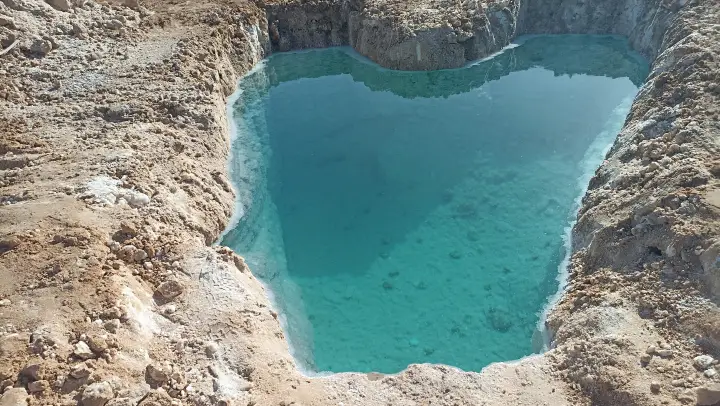
7 days, 6 nights
Siwa Winter Sun Week: 7 Slow Days, December to FebruaryOn request: mid-range, set by the lodge you choose and your dates
Check dates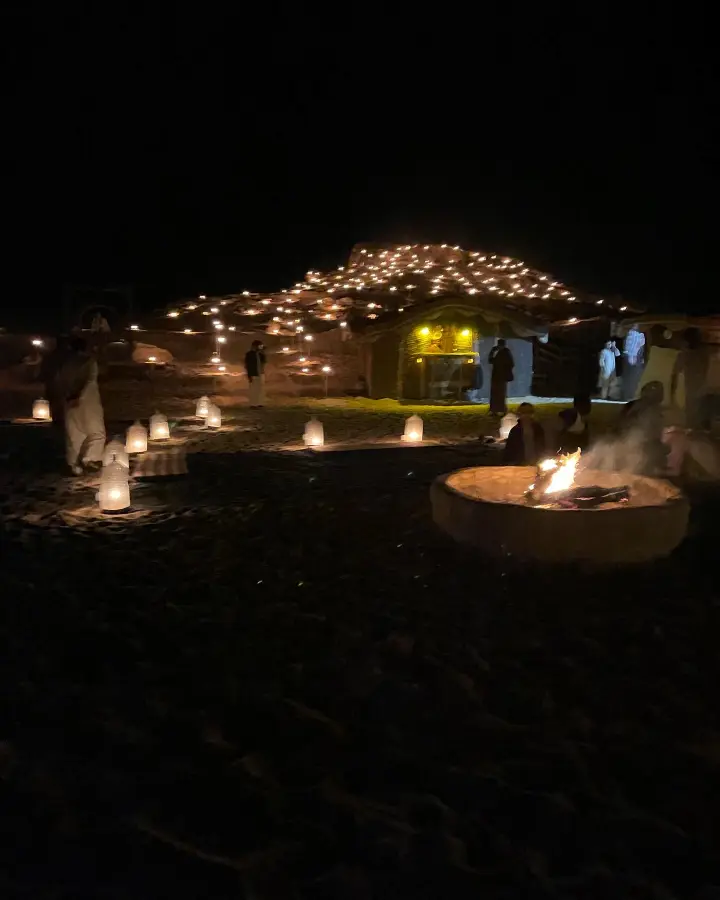
About 20 hours (afternoon to next late morning)
Overnight Desert Camp from Siwa (Private)About US$120 to 220 per person for two travellers
Check dates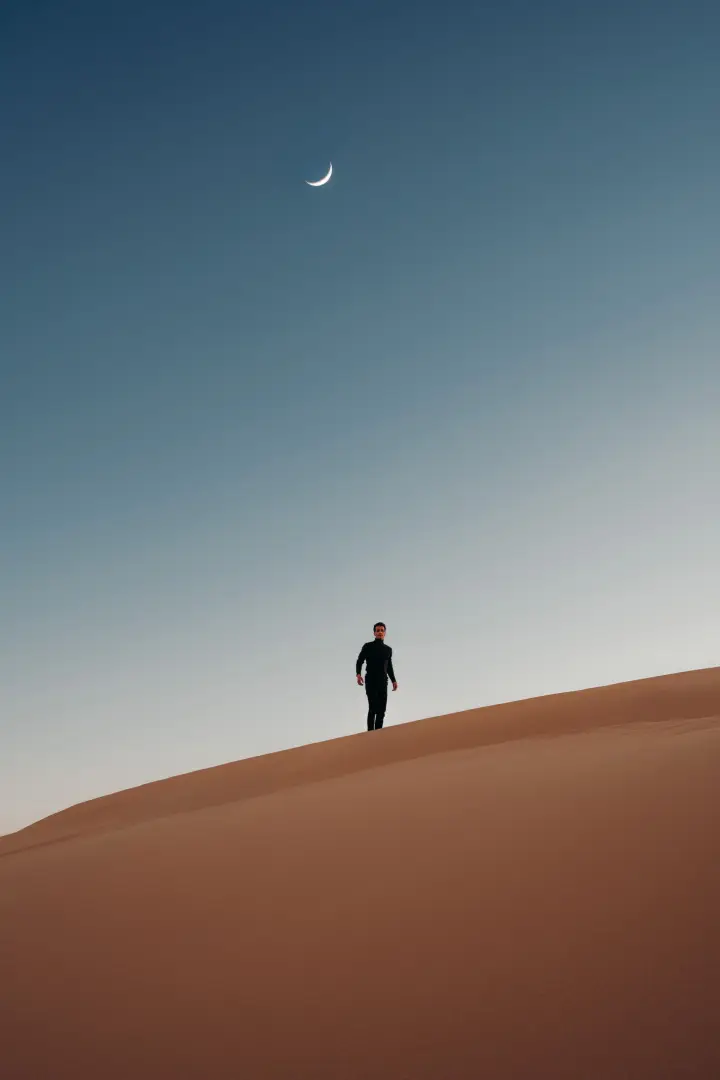
4 days, 3 nights
Siwa Sky Nights 2026-27: Meteor and Full-Moon TripsAbout US$530 to 880 per person for two travellers
Check dates