The short answer
January nights in Siwa average 5.6 °C and June and July afternoons 37.5 °C (official normals), so pack for both: light long sleeves, a warm jacket from November to March, a hat, a scarf against sand, swimwear with a T-shirt for the springs, and closed shoes. Add Egyptian pounds in cash, sunscreen, a head torch, a power bank and, for a desert night, a sleeping bag.
Ask us on WhatsAppPacking at a glance
Short answer: Pack for sun by day and cold at night: modest, loose clothes; a warm layer (much warmer in winter); a scarf against sand; swimwear for springs and salt lakes; a head torch; cash; and a power bank.
The monthly averages on Siwa weather explain the list. The gap between afternoon and night is about 14 to 17 °C in every month, so the right bag holds both a sun hat and a fleece. Open desert loses heat faster at night than the palm groves where the weather station sits, and the coldest reading on record in town is -2.2 °C, in January (Wikipedia climate table, NOAA data, checked 17 November 2026).
| Season | Days and nights (Siwa weather averages) | Pack especially |
|---|---|---|
| December to February | Mild days of about 19 to 22 °C; nights about 6 to 7 °C, colder in the dunes | Down or fleece jacket, warm hat, gloves, a sleeping bag for camps |
| March to May | Warming fast; the khamsin wind can bring dust, most of all in April | Scarf or buff, sunglasses, a light fleece for nights |
| June to September | Highs of about 35 to 38 °C, nearer 39 °C in recent summers; warm nights | Light long sleeves, wide-brimmed hat, more water, electrolytes |
| October and November | Warm days, cool nights | Layers: T-shirt, long-sleeved shirt and a fleece |
Typical values in Siwa town. Nights out in the dunes are a few degrees colder; individual days vary.
Bag and luggage
Short answer: one soft bag plus a daypack. Hard cases and wheels work badly on sand.
Siwa is about 750 km from Cairo by road: about 9 hours of driving, or about 10 hours with stops. Whether you come by car or on the night bus (10 to 13 hours by night bus, see Cairo to Siwa by bus), your luggage rides in a boot or a hold, and in the oasis it goes into the back of a 4x4 or a tuk-tuk. Soft bags squeeze into those spaces; rigid cases do not.
- Main bag: soft holdall or backpack. Leave it at the lodge on desert days.
- Daypack (20 to 30 litres): water, scarf, sun cream, a warm top, swimwear, towel and camera.
- Dry bag or zip bags: fine sand gets into zips, lenses and phone ports. Keep electronics sealed whenever you are on the dunes.
- For an overnight camp: pack a small separate bag with only the night's kit, so the main bag stays at the lodge.
Clothes
| Item | Why |
|---|---|
| Loose long trousers or skirts | Modesty and sun |
| Tops covering shoulders | Town and market |
| Fleece or down jacket (Nov to Mar) | Cold nights, colder still in the dunes |
| Warm hat and gloves (Dec to Feb) | Desert camps |
| Scarf or buff | Sand, sun, mosques |
| Swimsuit plus T-shirt and shorts | Springs and salt lakes |
| Old dark swimsuit | Sulphur springs stain |
| Sandals and closed shoes | Dunes and ruins |
| Flip-flops | Salt lakes, springs |
The UK government asks visitors to dress modestly, especially in rural areas, mosques and markets (FCDO safety and security, checked 17 November 2026), and Siwa is a small, rural, conservative town. A fuller wardrobe guide by place is in what to wear in Siwa.
A workable count for four nights in winter: three long-sleeved tops, two pairs of long trousers or skirts, one fleece, one warm jacket, sleepwear warm enough for a camp, and one clean outfit saved for the drive home. In summer, swap the jacket for a second long-sleeved shirt.
Where each item gets used
Short answer: the main oasis sights lie within about 5 km of the market square below Shali, so you go out and come back in a few hours. Carry the day's kit, not the whole bag.
| Place | From the market square | What to carry |
|---|---|---|
| Cleopatra Spring | About 3.5 km by road, under 10 minutes by car (OpenStreetMap routing, checked 17 November 2026) | Swimsuit with T-shirt, towel, flip-flops |
| Gebel Dakrour | About 4.5 km by road | Closed shoes for the climb, water, a layer for after sunset |
| Fatnas Island | About 4.5 km by road | Warm top for the ride back after dark, a light if cycling |
| Salt lakes | Out of town, by car or on a tour | Old swimsuit, water shoes, fresh water to rinse |
| Great Sand Sea | By 4x4 only, with a licensed guide | Sun kit, scarf, sunglasses, warm layer, passport |
If you cycle, add a bike light or head torch: the lanes between the palm gardens are dark after sunset. For a wider plan of the sights, see things to do in Siwa.
Gear
- Head torch with a red mode (essential for camps and off-grid lodges)
- Power bank and charging cables
- Plug adaptor: Egypt uses type C and F sockets at 230 V, 50 Hz (World Standards, checked 17 November 2026)
- Sunglasses, sun hat, high-SPF sunscreen
- Reusable water bottle of 1 litre or more
- Dust-proof bag for camera and phone
- Insect repellent for evenings by water
- Binoculars or a star-chart app for dark desert skies; see stargazing in Siwa
Sun protection, by the numbers
Siwa gets more than 3,500 hours of sunshine a year (see Siwa weather), and pale sand and salt crust throw light back up at you. The NHS recommends sunscreen of at least SPF 30 with 4-star UVA protection, about 6 to 8 teaspoons to cover an adult's whole body, and a fresh coat every 2 hours and after swimming (NHS sun safety, checked 17 November 2026). At that rate a travel tube runs out within a day or two, so bring a full-size bottle per person.
For sunglasses the NHS suggests wraparound lenses or wide arms, with the CE mark and British Standard 12312-1:2013 E. The World Health Organization advises that at a UV index of 8 or above you should avoid the midday sun and treat shirt, sunscreen and hat as essential (WHO UV index Q&A, checked 17 November 2026). From April to October, plan outdoor sightseeing for early morning and late afternoon.
Health
- Personal medicines in their original packs, with a doctor's letter
- A small first-aid kit: plasters, blister patches, antiseptic, painkillers
- Rehydration salts
- Lip balm, moisturiser and eye drops (desert air is dry and dusty)
- Hand sanitiser and wet wipes
Some prescribed and over-the-counter medicines are controlled in Egypt and may need Ministry of Health permission before you arrive; carry a letter from your doctor stating the condition, the amount and that it is for personal use (FCDO health advice, checked 17 November 2026). Pharmacies in town cover the basics; see health and pharmacies in Siwa.
Documents and money
- Passport valid for at least 6 months after you arrive, with at least one blank page
- Paper or digital copies of your passport, visa and onward ticket, kept apart from the originals
- Cash in Egyptian pounds, in small notes
- Travel insurance details
Police in Egypt check ID regularly and may detain someone who cannot show ID and a visa, so the UK government advises carrying your passport and a copy of your visa (FCDO safety and security, checked 17 November 2026). The road to Siwa has checkpoints, and desert trips need a permit (see is Siwa safe), so keep the passport in your daypack, not the main bag.
You can bring up to 5,000 Egyptian pounds into or out of Egypt. There is no limit on foreign currency, but amounts worth more than US$10,000 must be declared on arrival (FCDO entry requirements, checked 17 November 2026). Most visitors draw pounds in Cairo or Alexandria. Small notes matter in Siwa, where tuk-tuk fares, bike hire and café bills are usually settled in cash. For typical daily spend, see Siwa trip cost, and ask us what your trip already includes.
For the desert night
- Sleeping bag from November to March (camps provide mattresses and blankets)
- Warm hat, thick socks and a jacket you can sleep in
- Head torch with red mode
- Power bank, kept inside the sleeping bag overnight because cold drains batteries
- Wet wipes and toilet paper
- Small rubbish bag, to carry everything back out
On the overnight desert camp the crew brings mattresses, rugs, blankets and the fire; you bring the sleeping bag and the layers. For an afternoon only, the half-day Great Sand Sea safari needs little more than sun kit, a swimsuit for the spring and a warm top for the drive back after sunset. Phone signal fades once you leave the oasis. More: camping in Siwa.
For the salt lakes and springs
- Old dark swimsuit
- Quick-dry towel or sarong to change behind
- Two large bottles of fresh water to rinse off the salt
- Water shoes: the crust at the pool edges is sharp
Salt dries white and stiff in fabric, so keep one T-shirt just for swimming. More on the pools in Siwa springs.
Families and travellers with limited mobility
- Children: pack a sun hat with a neck flap, a long-sleeved swim top, child sunscreen and their own water bottle. A child's sleeping bag matters as much as an adult's on a winter camp.
- The drive: snacks, water and something to do for a 10-hour road day from Cairo.
- Limited mobility: sand, salt crust and unpaved lanes make wheels hard work, and Shali and Gebel Dakrour have uneven ground. A walking pole helps. Tell us before booking and we can suggest the easier sights and lodges.
Leave at home
- Drones: do not import or use one without prior Ministry of Defence permission; penalties can include up to 7 years in prison (FCDO safety and security, checked 17 November 2026)
- Satellite phones and radio sets: officials are likely to confiscate them without prior clearance from the Ministry of Telecommunications (FCDO entry requirements, checked 17 November 2026)
- Professional film or photo kit without a permit: Egypt requires a permit to bring it in, including items such as photo umbrellas and outdoor lighting (FCDO safety and security, checked 17 November 2026). Declare high-value electronics and recording equipment on arrival (FCDO entry requirements, checked 17 November 2026)
- Revealing clothes for town
- Alcohol: not sold in Siwa, and drinking outside licensed places is illegal in Egypt
Mistakes to avoid
- Packing for the daytime forecast only. A January afternoon near 20 °C becomes a night near freezing in the dunes.
- Wearing a new swimsuit into a sulphur spring. It may stay discoloured.
- Leaving the passport at the lodge on a desert day. Permits and checkpoints need it.
- Bringing large notes only. Small change is hard to find.
- Forgetting a torch. Camps, palm lanes and some lodges are dark after sunset.
Choose your season first in best time to visit Siwa, then contact us with your dates and we will tell you what the nights will be like.
Questions people ask
Can I wear shorts in Siwa?+
In lodges and in the desert, yes. In town, Siwa is conservative: men and women are more comfortable in trousers or long skirts, and women should cover shoulders.
What is most often forgotten for Siwa?+
Warm clothes for the nights, a head torch and enough cash.
Do I need a sleeping bag for a desert night?+
Yes, in the cooler months. Our camp kit is mattresses, rugs and blankets; sleeping bags are yours to bring. Between November and March pack one good to about 0 °C, or ask us when you book.
Can I bring a drone to Siwa?+
Not without prior permission from Egypt's Ministry of Defence. The UK government warns that unauthorised use or import can mean up to 7 years in prison, so leave it at home.
Should I bring a suitcase or a soft bag?+
A soft bag or backpack. It fits the back of a 4x4 or a minibus more easily than a hard case, and wheels are useless on sand. Leave the main bag at your lodge and take a daypack into the desert.
How much cash can I bring in Egyptian pounds?+
Up to 5,000 Egyptian pounds into or out of Egypt, so draw most of your pounds inside Egypt, in Cairo or Alexandria, before the drive west. Ask us what your trip already includes so you only carry cash for extras.
Can I bring my regular medicines?+
Usually, but some are controlled in Egypt and may need Ministry of Health permission in advance. Keep them in original packs with a doctor's letter stating the condition and amount.
Go with us
Trips that include this
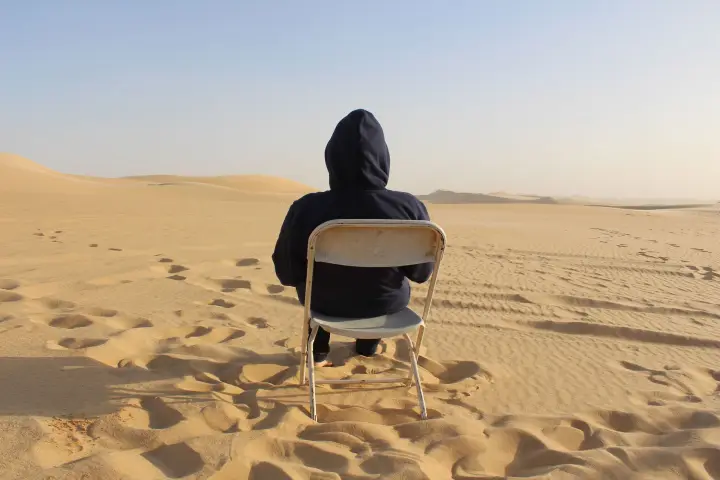
About 5 hours (afternoon to sunset)
Great Sand Sea Safari from Siwa (Half Day)About US$60 to 130 per person (shared or private car)
Check dates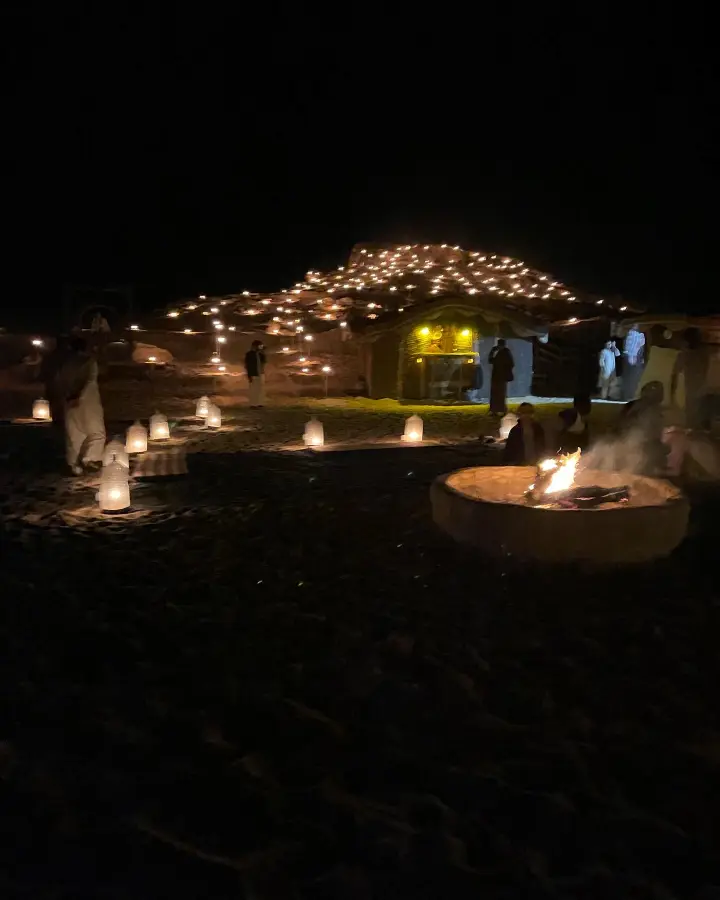
About 20 hours (afternoon to next late morning)
Overnight Desert Camp from Siwa (Private)About US$120 to 220 per person for two travellers
Check dates