The short answer
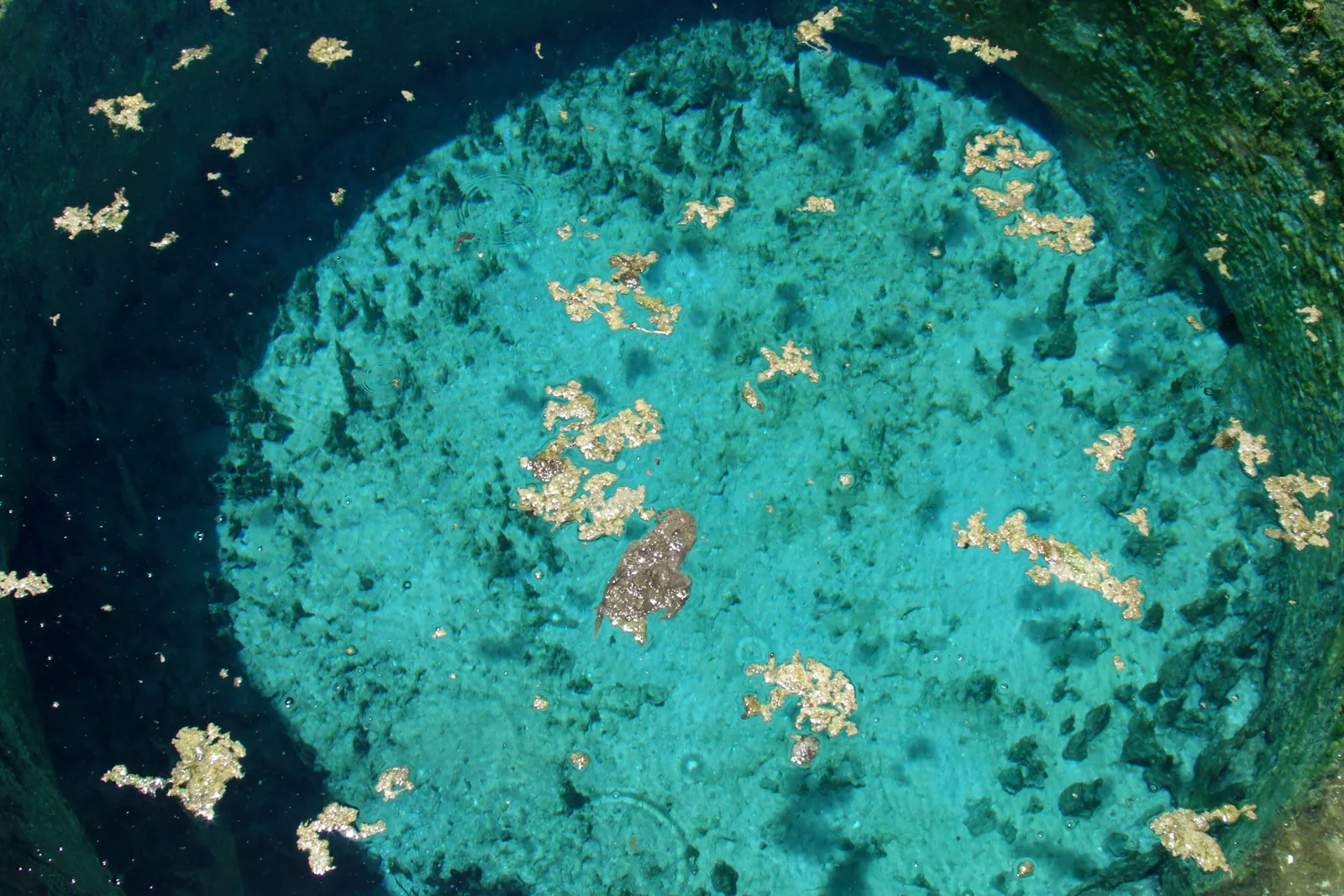
Cleopatra Spring is a round stone-lined pool fed by a natural spring, about 900 m south of the Temple of Umm Ubayda. The water is clear, deep and steady at about 29°C all year. There is no evidence Cleopatra ever came, but the name stuck. Swim in a T-shirt and shorts over your swimsuit, and go early or late to avoid the busiest hours.
Ask us on WhatsAppThe honest picture
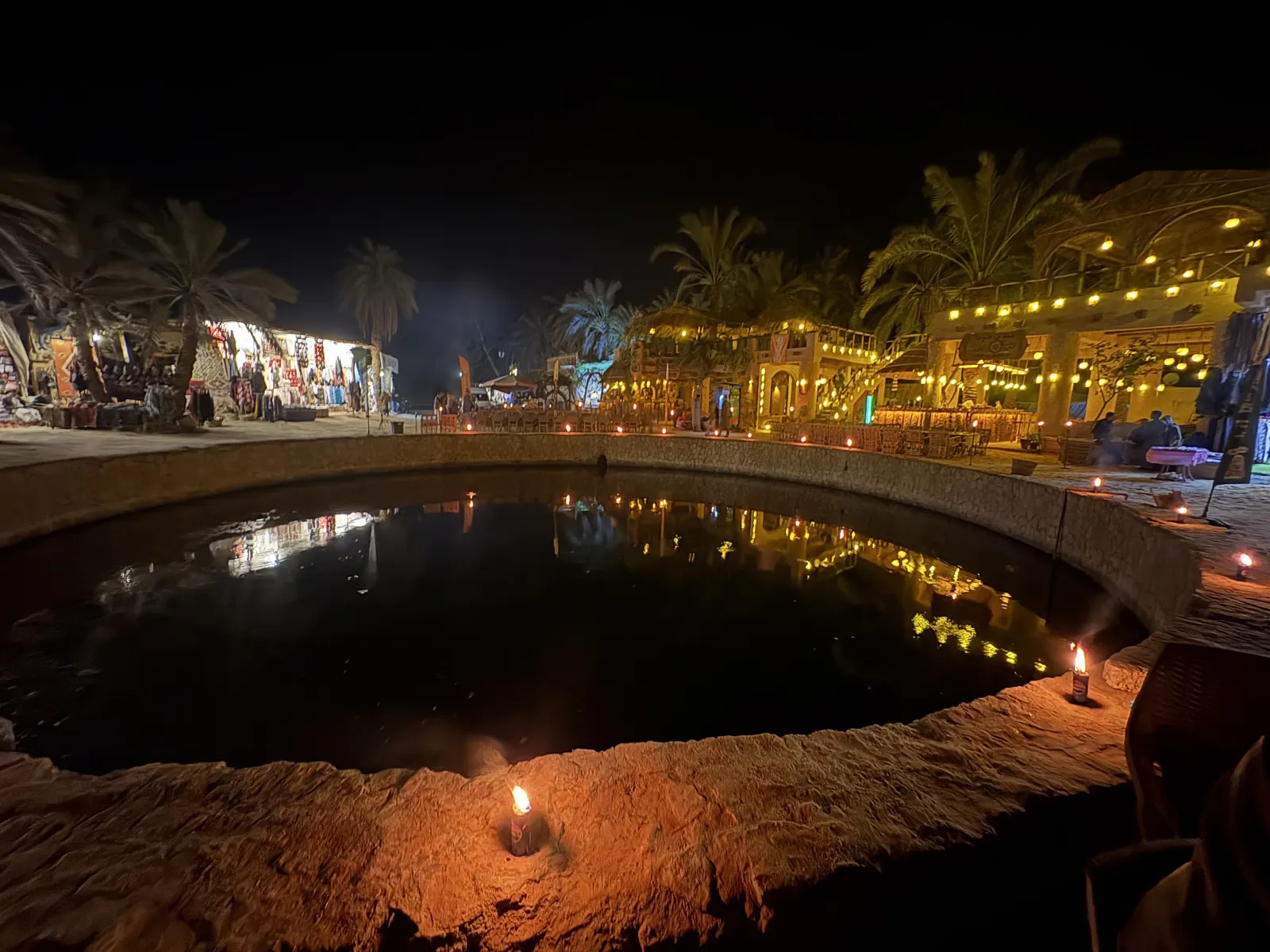
Cleopatra Spring (also called Cleopatra's Bath) is a round, stone-lined pool fed by a natural spring in the Aghurmi area, about 900 m south of the Temple of Umm Ubayda according to Wikivoyage (checked 17 November 2026). Wikivoyage gives the water as 29°C, and because it comes up from underground it stays close to that all year. Do not confuse it with Ain Gubba, a smaller spring-fed pool that Wikivoyage places just to the north. Wikipedia lists it among the oasis's historic sites as an antique natural spring. It is the most famous swimming spot in Siwa and the one on every itinerary.
Be ready for what it is: a busy local pool rather than a hidden paradise. The water is clear when it is quiet, but at busy times it can look cloudy and you may see algae on the sides. Small cafés and shops ring it, and on holidays it is crowded. Many travellers enjoy it; others prefer the larger and usually cleaner spring at Abu Shuruf, east of town, or a spring-fed pool at their lodge.
Cleopatra almost certainly never swam here; Wikivoyage calls the association entirely fanciful. The name is a modern tourist label. The ancient-history site Livius identifies the pool with the Spring of the Sun described by Greek writers (checked 17 November 2026).
Swimming
- Who swims: Men swim freely. Foreign women do swim, but most Siwan women do not use public springs, and you will feel more comfortable in a modest swimsuit with shorts and a T-shirt on top, or in a quieter spring.
- Best time: early morning, or late afternoon on a weekday. Avoid Friday and holidays.
- Depth: the pool is deep in the centre. Weak swimmers should stay near the edge.
- Changing: the cafés have simple changing rooms.
- Kit: a towel, and flip-flops for the stone edge.
What travellers report
Short answer: Opinions split. Some travellers call it a tourist trap; others love the warm water, the juice cafés and the easy swim after a salt-lake float.
- Water quality divides people. Many travellers mention algae on the sides or murky water; others found it clean and warm, and recent visitors saw the algae being skimmed off.
- Morning is calmer. Visitors who arrived in the morning often had the pool almost to themselves. Coach groups, shops and bustle come later.
- The cafés are part of it. Fresh juice and Siwan tea are praised, but prices at the cafés and souvenir stalls are higher than in town.
- Mind the steps. The stone edge and steps are slippery, and getting in is awkward for anyone with limited mobility.
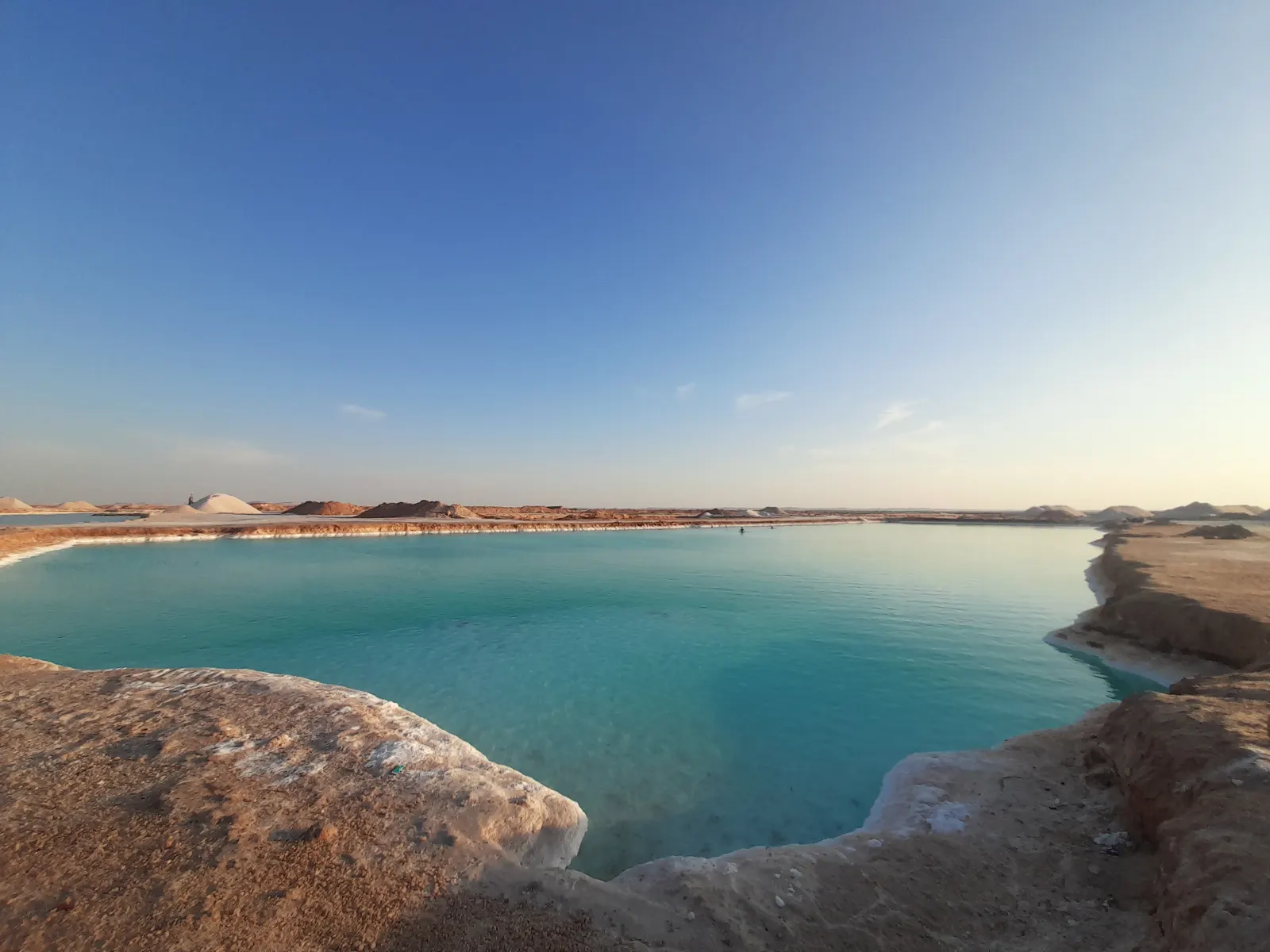
- Best as a rinse stop. Many people swim here straight after the salt lakes to wash the salt off.
Other springs worth knowing
| Spring | Why go |
|---|---|
| Abu Shuruf | Large, clear, quieter; east of town on the way to Zeitun |
| Fatnas | Small spring pool on the sunset spit |
| Bir Wahed | Warm pool (about 30°C, per Wikivoyage) beside a cold lake in the dunes, reached on a Great Sand Sea safari |
| Kegar | Hot spring west of town, popular with locals in winter |
| Lodge pools | Many eco-lodges have their own spring-fed pools |
Combine it
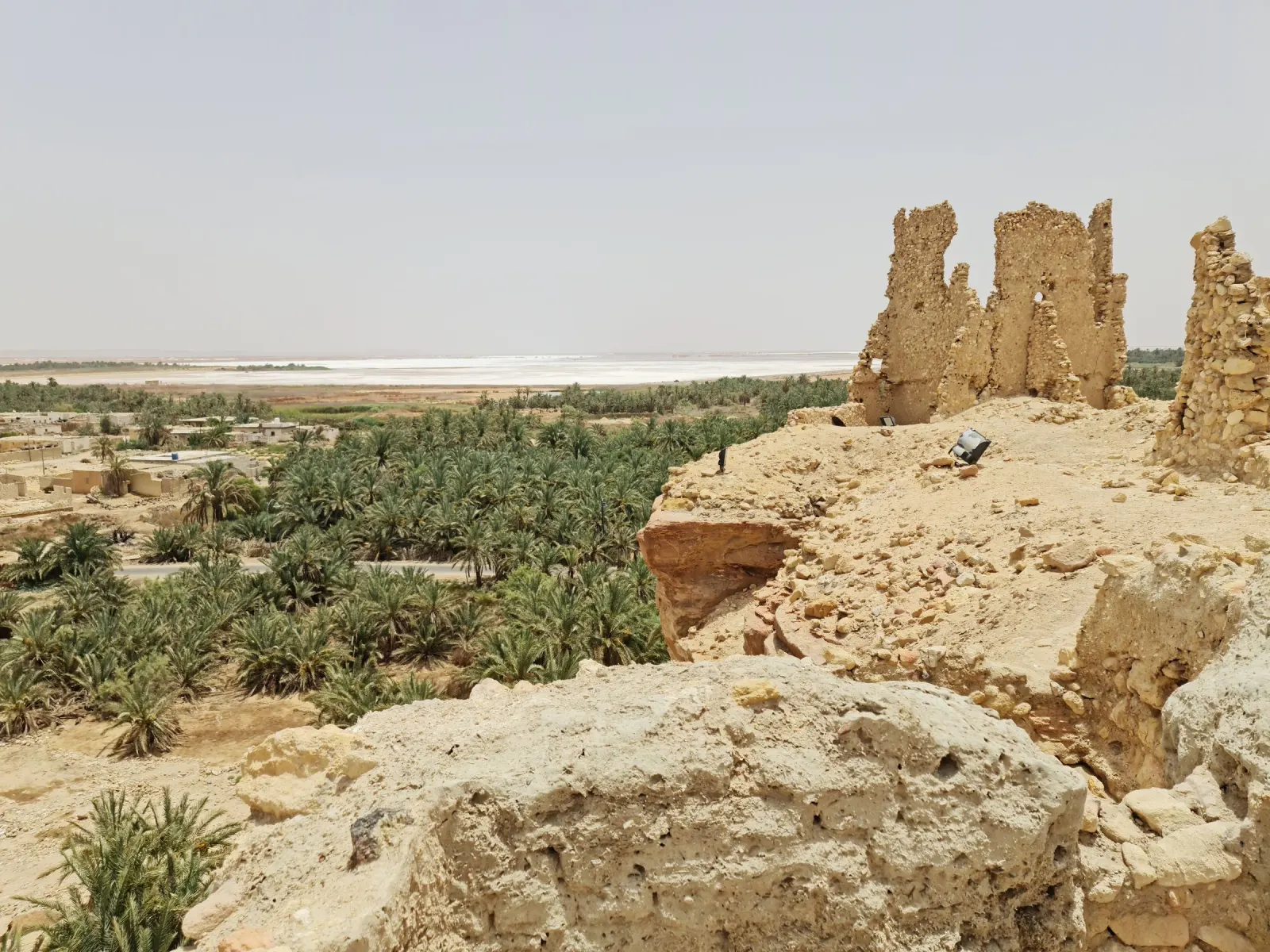
Cleopatra Spring sits on the classic morning loop: Oracle Temple, Umm Ubayda, then a swim. By bicycle the loop takes about three hours.
History: the Fountain of the Sun
Short answer: Greek writers described a spring near the oracle whose water felt cool at noon and warm at midnight. Livius identifies it with Cleopatra Spring.
Two ancient accounts survive in detail, written about four centuries apart. Both describe water that changes temperature through the day.
| Writer | When | What he said about the spring |
|---|---|---|
| Herodotus, Histories 4.181 | Mid-5th century BC | Warm at dawn, cooler through the morning, cold at noon, then warming until it "boils" with bubbles at midnight (Livius summary) |
| Diodorus Siculus, Library 17.50 | 1st century BC, retelling Alexander's visit in 331 BC | A spring named after the Sun, near a second temple of Ammon shaded by large trees, outside the fortress; coldest at the height of noon, warmest at midnight (LacusCurtius translation) |
Livius judges Herodotus's description exaggerated, and the physics backs that up. The water holds a near-constant temperature, so it feels cold when the noon air is hotter than the pool and warm when a desert night is colder. Diodorus's "second temple shaded by trees" fits Umm Ubayda, about 900 m north of the pool.
The water has always had a second job. NASA's Earth Observatory explains that Siwa's surface water comes from springs fed by shallow groundwater drawn from the Nubian Sandstone Aquifer System, one of the largest aquifers in the world. Channels still carry water from the pool to the palm gardens around it, which is why soap and sunscreen matter here.
What it looks like now
| Shape | Round, stone-lined pool |
| Depth | Deep in the centre, shallow ledges at the edge |
| Water | Clear when calm; about 29°C year round |
| Around it | Cafés, small shops, palm gardens, irrigation channels |
| Busiest | Fridays, holidays, summer evenings |
| Quietest | Weekday mornings |
A morning loop by bicycle
- 08:00 leave town and cycle east to the Oracle Temple in Aghurmi.
- 09:30 walk to Umm Ubayda.
- 10:15 ride 1 km to Cleopatra Spring; swim and have tea.
- 11:30 ride on to Abu Shuruf if you want a second, quieter swim, or back to town for lunch.
See getting around Siwa for bike and tuk-tuk options.
When the water feels best
Short answer: The pool does not change much, but the air does. In winter the water feels warm; in summer it feels cool.
| Months | Air (mean high / night low) | How a swim feels |
|---|---|---|
| December to February | About 19 to 22°C / 6 to 7°C | Water warmer than the air; swim late morning and dry off fast |
| March to April, October to November | About 24 to 31°C / 10 to 16°C | Comfortable from mid-morning to late afternoon; nights turn cool |
| May to September | About 34 to 38°C / 18 to 22°C | Water cooler than the air; go early, before the heat |
Air figures are WMO 1961-1990 normals for the Siwa station; the month-by-month table is on Siwa weather. In winter, bring a warm layer for after the swim: the wind across the open pool chills wet skin quickly.
Respect and rules
- Do not use soap, shampoo or sunscreen right before swimming; the water feeds the gardens.
- Do not photograph local women nearby.
- Leave no rubbish; bins are few.
- Pay café owners for drinks if you use their seats or changing rooms.
Where it is
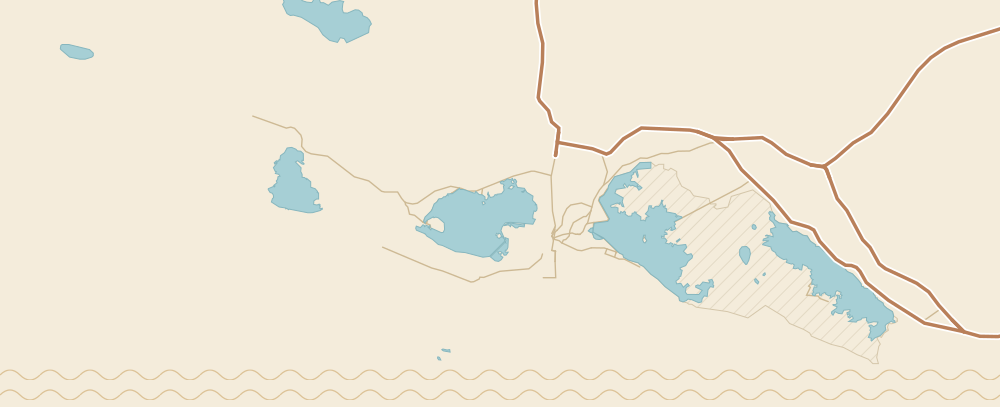
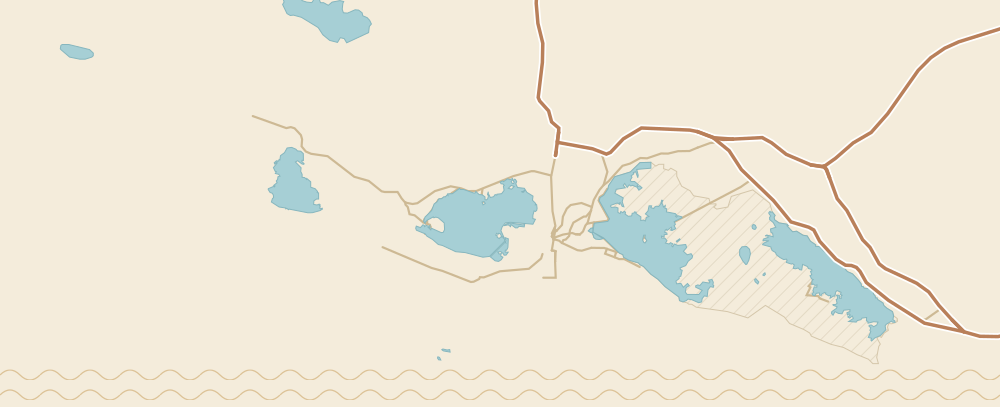
Close-up: around Siwa town
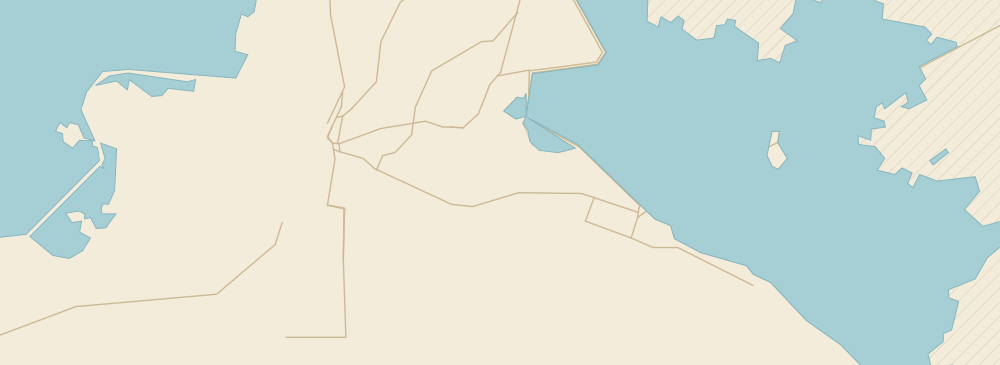
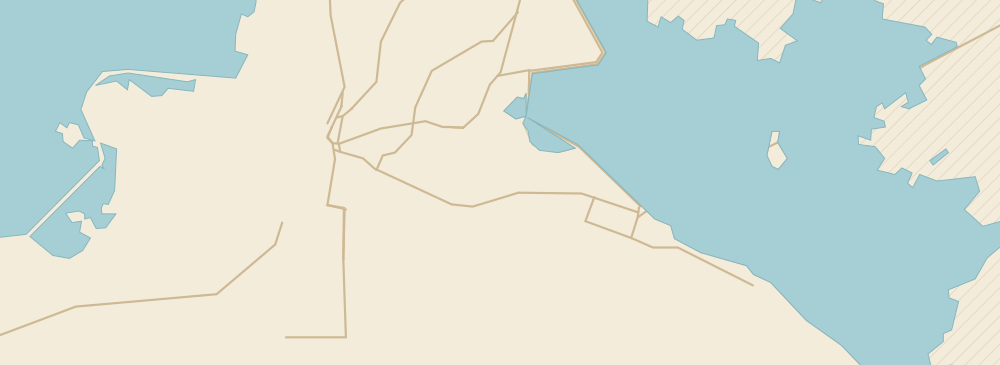
- 1Shali and Siwa town
- 2Gebel al-Mawta
- 3Oracle Temple
- 4Umm Ubayda
- 5Cleopatra Spring
- 6Gebel Dakrour
- 7Fatnas
- 8Salt pools
- 9Adrère Amellal
- 10Shiatta (permit)
- 11Abu Shuruf
- 12Zeitoun
- 13Bir Wahed
Lakes and roads drawn from OpenStreetMap; pin positions are approximate. The salt flats (hatched) dry out and flood with the seasons. Map data © OpenStreetMap contributors, ODbL.
Questions people ask
Can women swim at Cleopatra Spring?+
Yes. Foreign women do, usually in a T-shirt and leggings or shorts over a swimsuit. Siwan women generally do not use public springs. For ordinary swimwear, choose a lodge pool.
How warm is the water?+
Wikivoyage gives 29°C (checked 17 November 2026). Spring water fed from underground changes little through the year, so it feels cool on a summer afternoon and warm on a winter morning.
Did Cleopatra really bathe here?+
There is no evidence she did. Wikivoyage calls the link entirely fanciful. Ancient writers knew the spring as the Spring, or Fountain, of the Sun.
Is Cleopatra Spring clean?+
It varies. It is clear when quiet but can look cloudy when busy, with algae on the sides. Abu Shuruf is usually cleaner and calmer.
Is there an entry fee?+
Wikivoyage lists no entry fee (checked 17 November 2026). If you use a café's seats or changing room, buy a drink there. Ask us for current prices before you go.
Are there other springs to swim in?+
Yes: Abu Shuruf, east of town, is a clear spring pool; Bir Wahed is a warm spring in the Great Sand Sea reached by 4x4; many lodges have spring-fed pools.
Go with us
Trips that include this
3 days, 2 nights
Siwa Oasis in 3 Days from Cairo (Private Trip)About US$420 to 650 per person for two travellers
Check dates
4 days, 3 nights
Siwa in 4 Days: Eco-Lodge and a Night in the Great Sand SeaAbout US$495 to 825 per person for two travellers (the lodge level decides the price)
Check dates
4 to 5 days (3 or 4 nights in Siwa)
Luxury Siwa: Candlelit Eco-Lodge EscapeOn request (depends on the lodge and season)
Check dates