The short answer
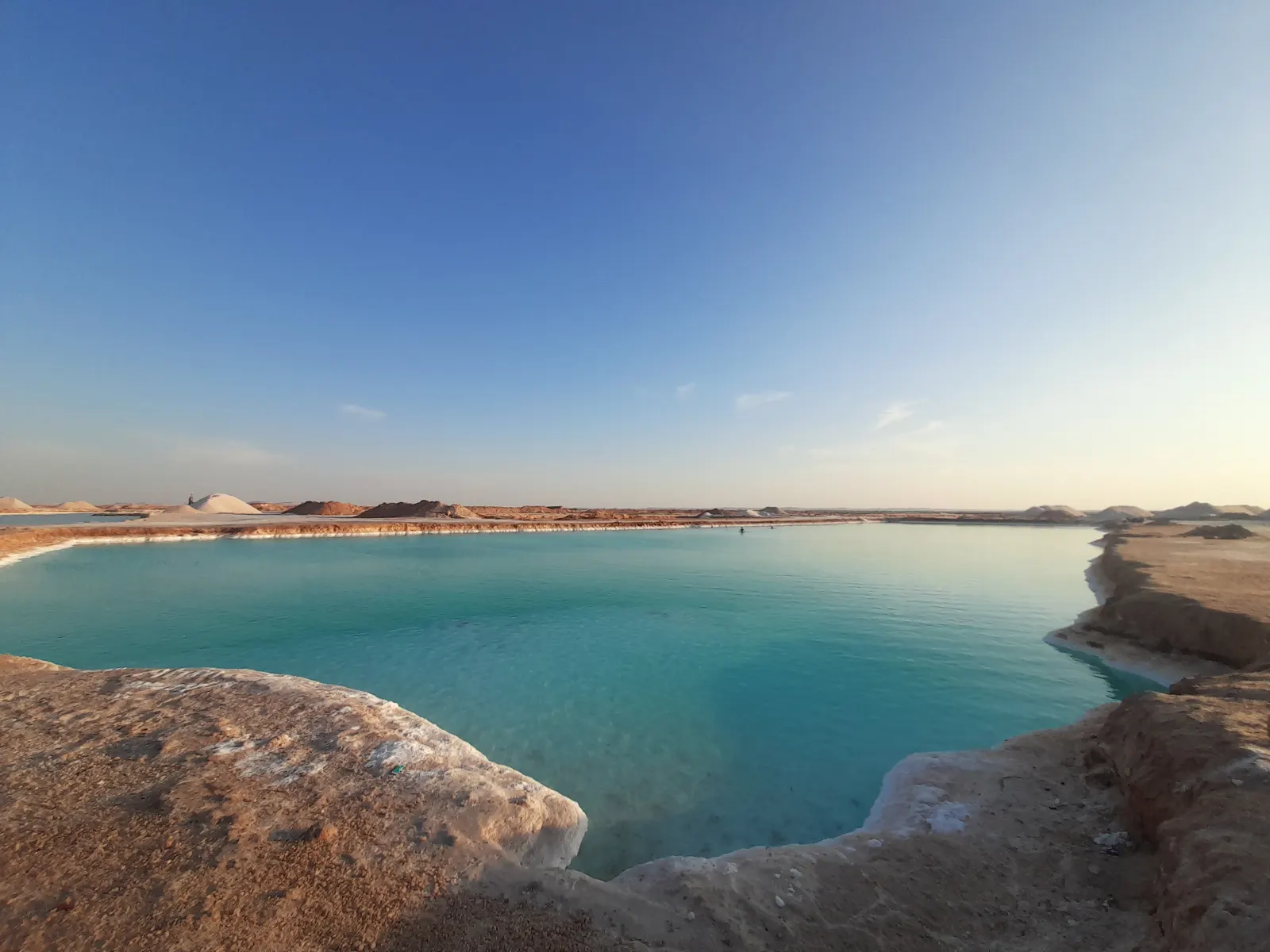
Siwa lies in a depression that reaches about 20 m (65 ft) below sea level, and its lakes are brine: a 2017 study measured 220 to 280 g of dissolved salt per litre, six to eight times saltier than the sea. You float without effort. The turquoise pools are mostly old salt quarries. Keep the water out of your eyes and cuts, and rinse afterwards.
Ask us on WhatsAppSalt lakes at a glance
Short answer: Turquoise pools cut into the salt flats around Siwa, so salty you float like a cork. Most are old salt-mining pits filled by groundwater. Go late morning to mid-afternoon in the warm months, bring fresh water to rinse, and keep the water out of your eyes.
| What | Brine pools in salt quarries beside Lake Siwa and Lake Aghurmi |
| Salinity | About 220 to 280 g of salt per litre in published lake samples (2017); seawater is about 35 g |
| Distance | 10 to 20 minutes by car from town |
| Time needed | 1 to 2 hours |
| Best months | April to June and September to November |
Is Siwa's water 95% salt? No
Short answer: No water can be 95% salt. Ordinary salt stops dissolving at about 26% of the water's weight, and Siwa's lake brine is about a fifth to a quarter salt by weight. The "95%" figure you see online is wrong.
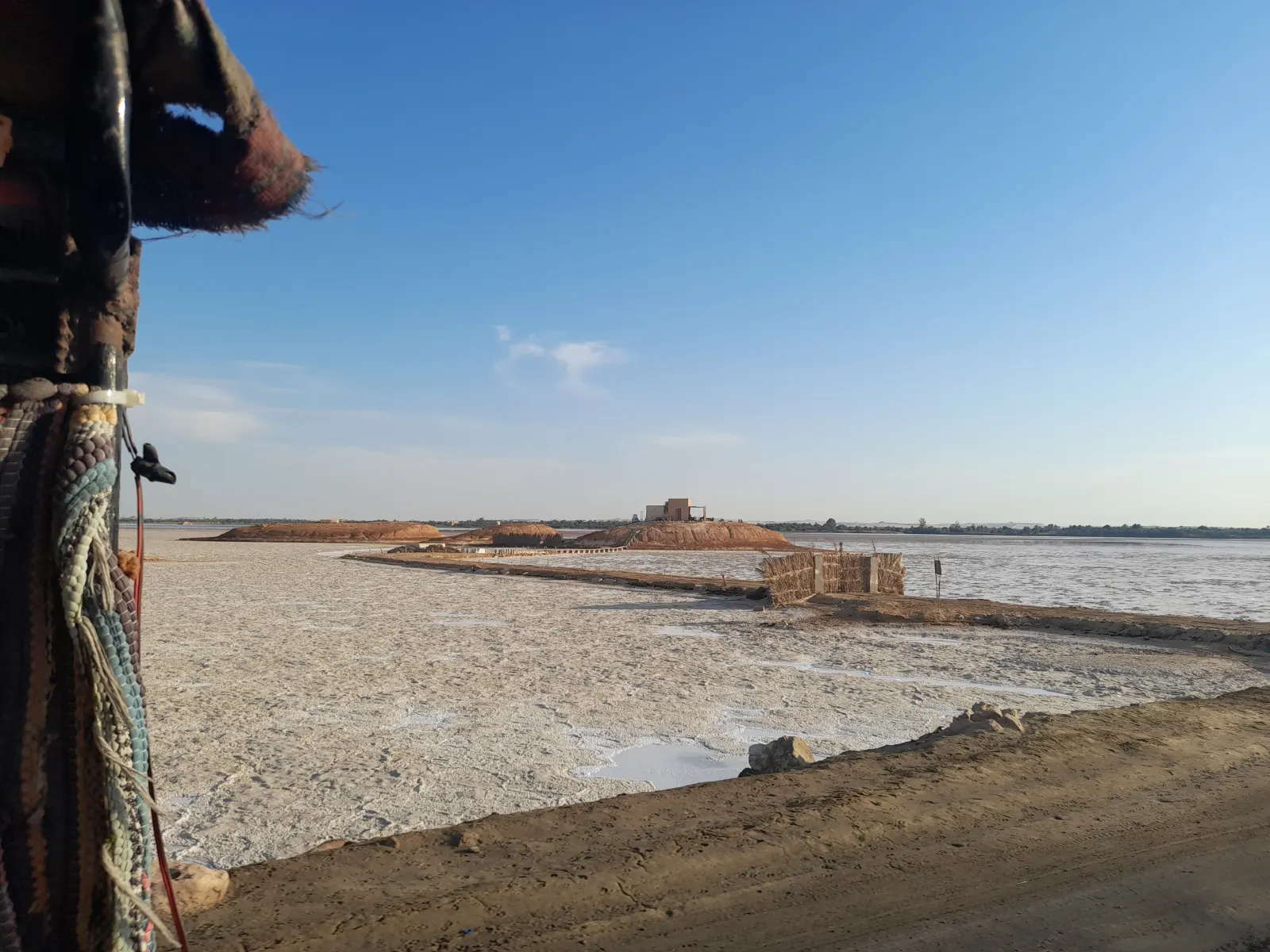
At room temperature a kilogram of water (about a litre) can hold about 360 g of sodium chloride before it is saturated: about 26% of the mixture's weight. Add more and the salt simply settles out as crystals, which is exactly what builds the white crusts round Siwa's pools. A "95% salt" liquid would be a solid.
The numbers that have been measured come from Elsaied, Abd El-Karim and Wassel, who sampled three of the lakes for a study of their bacteria (International Journal of Genetics and Molecular Biology, 2017). They recorded total dissolved solids, mainly sodium chloride, of about 220 g per litre in Lake Aghurmi, 239 g in Lake Zeitun and 280 g in Lake Maraqi, with a pH of 7.4 to 7.8. That is six to eight times the salt of seawater, close to saturation, and why the lakes are described as hypersaline. Salinity changes with season, depth and how much drainage water flows in, so treat these as one survey's figures, not a constant. No published figure exists for the individual quarry pools you swim in.
Siwa salt pools vs the Dead Sea
Short answer: You float in both. The Dead Sea is saltier and much deeper; Siwa's pools are small, quiet and have almost no facilities.
| Siwa salt pools | Dead Sea | |
|---|---|---|
| Salinity | About 220 to 280 g per litre in the lakes (2017 samples), mostly sodium chloride | About 34% by weight (2011), mostly magnesium chloride with sodium chloride (Wikipedia) |
| Height of the surface | In a depression reaching about 20 m below sea level | About 440 m below sea level (2025) |
| Depth | Small quarry pools; depth varies and some edges drop steeply | About 300 m at its deepest |
| Temperature | Follows the air: cold in winter, warm from April to October (see Siwa weather) | Warm for most of the year |
| Facilities | Few or none: bring water to rinse, change in the car | Resort beaches with showers |
| Crowds | Usually quiet | Busy resort beaches |
Figures checked 15 November 2026.
Why Siwa is so salty
Short answer: Siwa lies in a depression that reaches about 20 m (65 ft) below sea level (NASA Earth Observatory). Groundwater rises, evaporates under the desert sun and leaves its salt behind, building crusts, salt flats and very salty lakes.
The oasis sits in a depression roughly 80 km long. Its water comes from an ancient aquifer of fossil water, much of it mineral-rich. With almost no rain and fierce evaporation, salt accumulates everywhere: in the lakes, in the soil and in the walls of the kershef houses, made partly of salt-crusted mud. Too much irrigation water drains into the lakes, which has made them grow in recent decades and threatens some gardens.
Salt is now also an industry: blocks are cut from the flats for building, for salt lamps sold in the market, and for export. The pools where visitors swim are mostly the result of this quarrying, filled with brine the colour of a swimming pool.
Swimming in the salt pools
Short answer: Lie back and you float effortlessly. Do not dive, do not shave the day before, and rinse off with fresh water afterwards.
- Floating: the brine supports you so well that you can read a book. Lie on your back and relax. It is near-saturated salt water, so it holds you up far more than the sea.
- Eyes and cuts: salt stings badly. Keep your head up, and avoid swimming with fresh cuts or after shaving.
- Rinse: a few pools have a freshwater shower; otherwise bring two large bottles of water.
- Afterwards: your skin will feel tight and look white with salt; rinse and moisturise.
- Modesty: most pools are outside town and quiet. Foreign women generally swim in a normal swimsuit here, but cover up while walking to and from the car.
- Kids: children love floating, but watch that they do not rub their eyes. See Siwa with kids.
When to go
Short answer: In the warm months, late morning to mid-afternoon, when the water is warmest and the colours brightest. In December to February the water is cold.
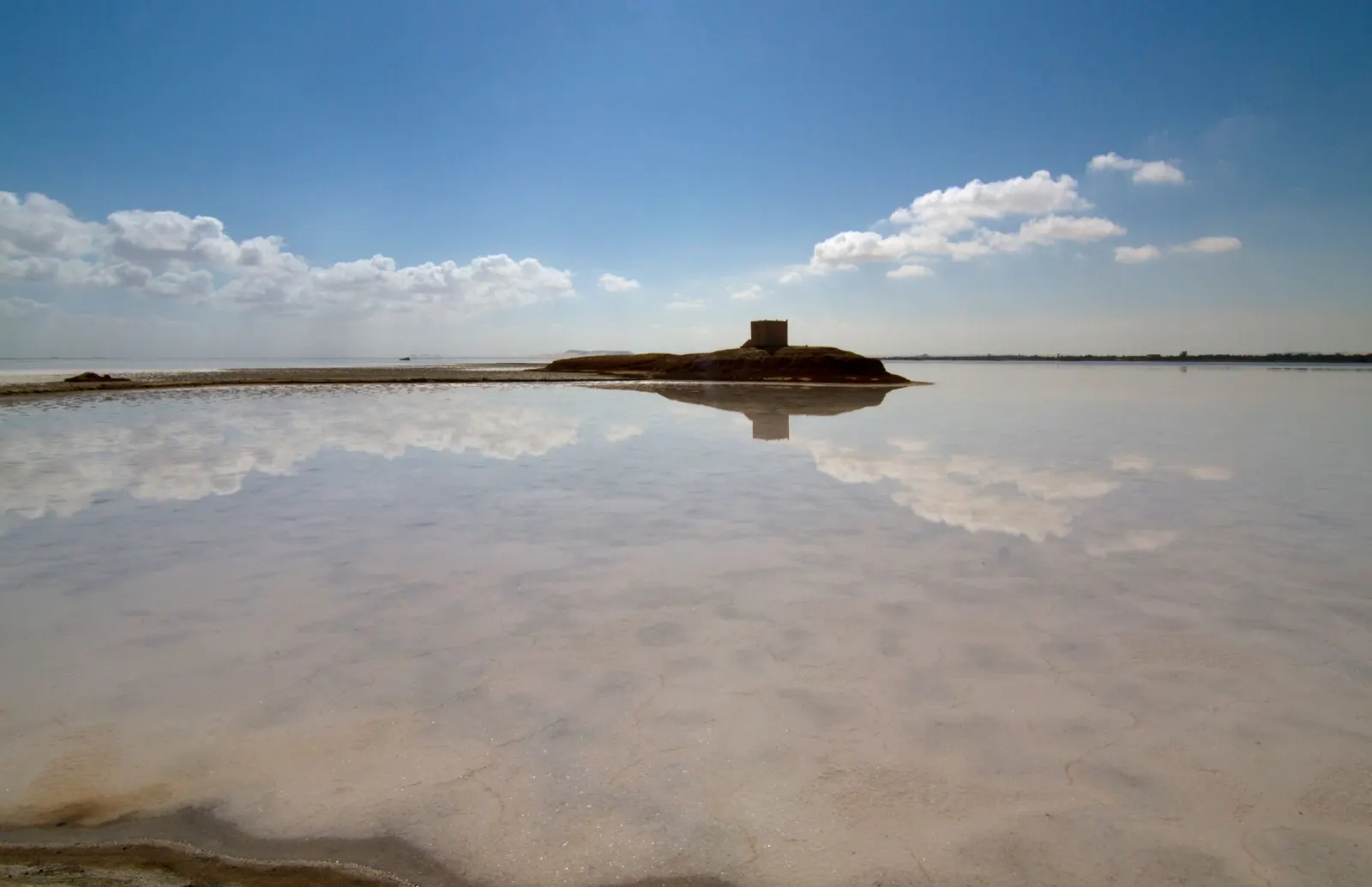
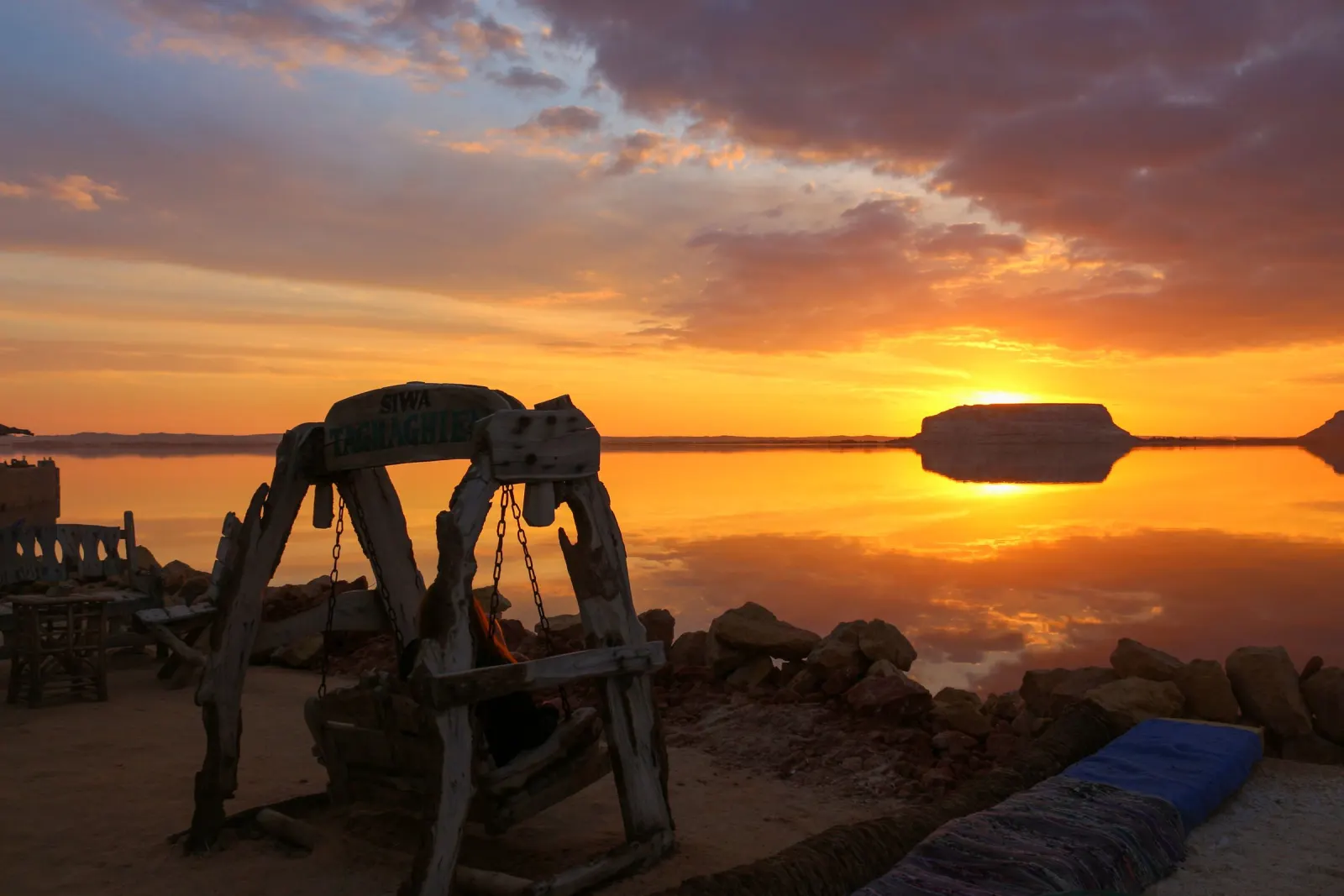
The turquoise colour is strongest under high sun. For photos, the white salt edges and blue water look striking from late morning; at sunset the flats turn pink and gold.
Where the pools are
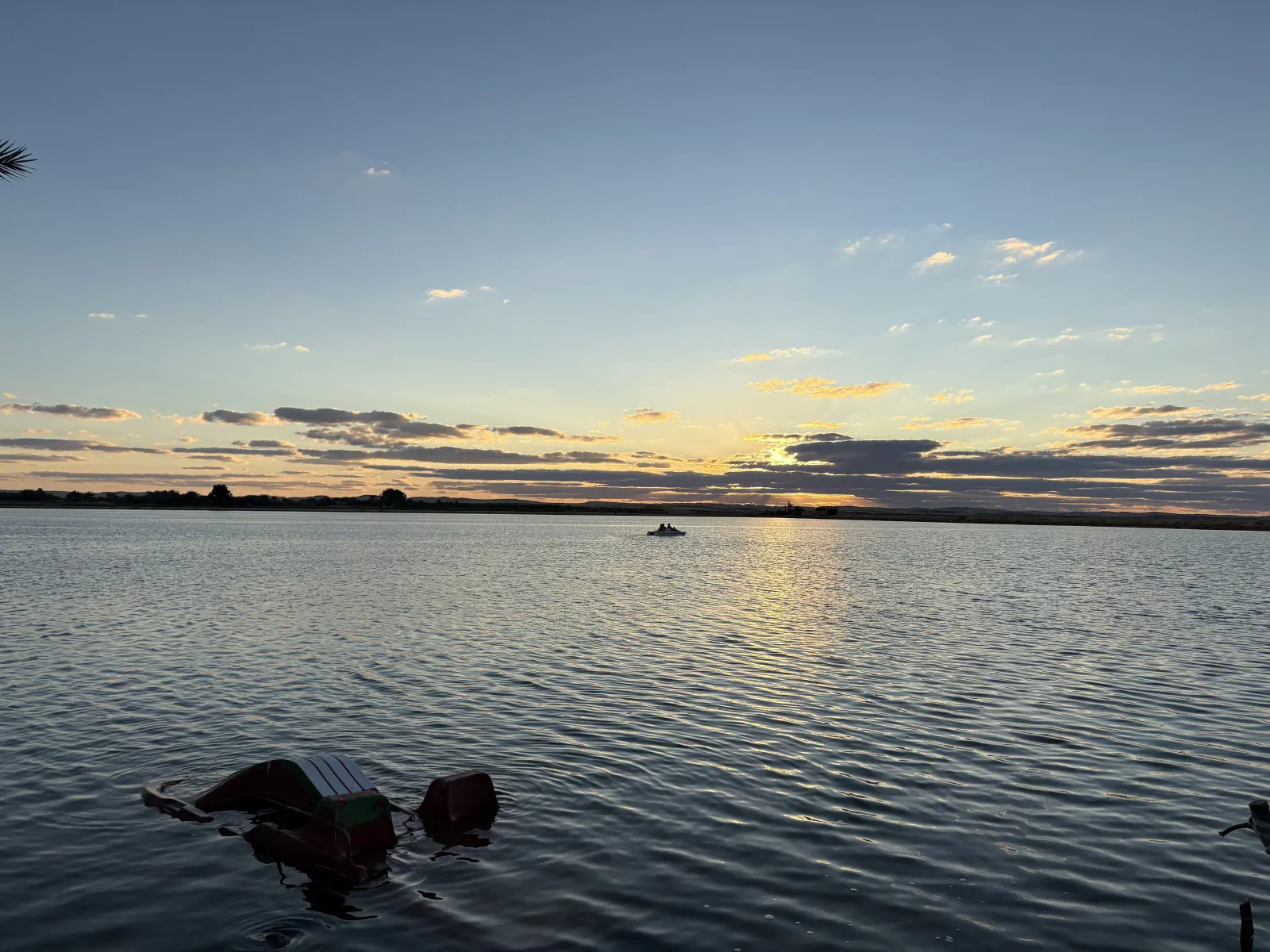
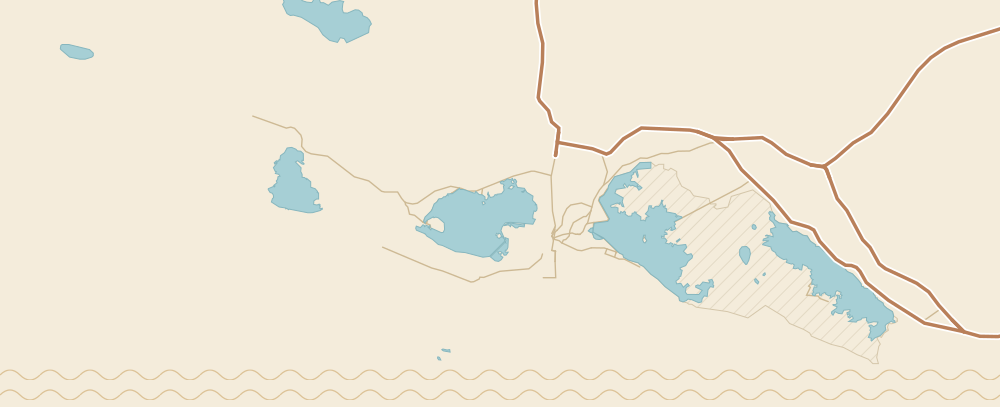
Several groups of pools lie around the lakes, especially toward the eastern side near the salt works and around Lake Siwa to the west. Locations shift as quarrying moves on, and some pools are on private land. A local driver will take you to the ones that are open and safe, which is the easiest approach. Many visitors combine the salt lakes with Fatnas for sunset, or with the Oracle Temple in the morning.
Is it good for your health?
Locals and visitors swear by salt water and the hot sand baths of Gebel Dakrour for aches, skin and joints. Treat this as tradition rather than medicine: if you have heart problems, high blood pressure or skin conditions, ask a doctor before a long soak.
What to bring
- Swimsuit and an old towel (salt stiffens fabric)
- Two large bottles of fresh water to rinse
- Flip-flops or water shoes: salt crystals are sharp
- Sunglasses, hat and sunscreen
- A plastic bag for wet things
What travellers report
Short answer: The float is the highlight almost everyone mentions. The complaints are about what the pools lack, so come prepared.
- No facilities. Most pools have no toilets, lockers or showers, and changing is in a basic tent or the car. Bring your own rinse water, or rinse later at Cleopatra Spring.
- It stings. Many travellers mention salt in the eyes and in small cuts. Keep your face dry and limit a soak to about 20 to 30 minutes.
- A working quarry. Salt is still cut nearby, so you may hear machines in the next pit. Some visitors also found litter at the edges.
- Water follows the season. Late autumn and winter floats feel cold; summer middays are scorching. Spring and autumn afternoons are the sweet spot.
- Water shoes help. The bottom and edges are sharp and slippery.
Photography
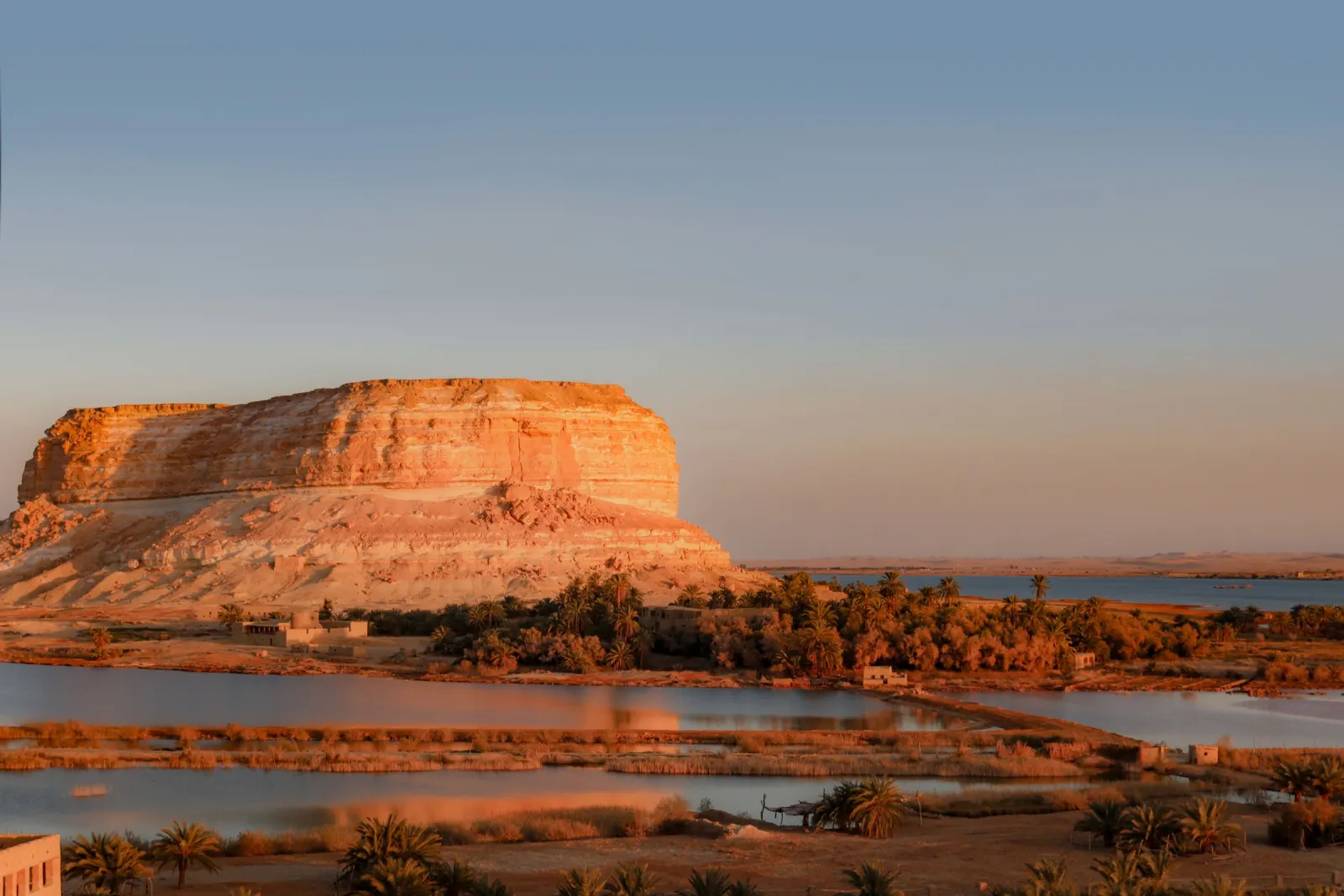
The salt lakes are one of the most photographed places in Siwa. Fly a drone only with permission: drones are restricted in Egypt and can be confiscated. See photo spots.
On a trip
The salt lakes feature on our Siwa in 3 days and Siwa oasis day tour. Pool fees are being re-checked; ask us which pools a trip visits and what is included.
The four lakes
| Lake | Where | Notes |
|---|---|---|
| Lake Siwa | West of town | The largest; Fatnas and lodges on its shore |
| Lake Aghurmi | East | Near the Oracle Temple |
| Lake Zeitun | Far east | Remote, salt works nearby |
| Lake Maraqi | Far west | Near the border; often restricted |
Salt in daily life
Salt is everywhere in Siwa: in the kershef walls, in the olives cured with lake salt, in carved lamps sold in the market, and in the industry that now ships Siwan salt across Egypt. Lodges like Adrère Amellal have rooms with walls of salt blocks.
Safety
- Do not swim alone in deep quarry pools; edges can be steep.
- Do not drink the water or let children swallow it.
- Stop if you feel dizzy; salt water and sun dehydrate quickly.
- Keep jewellery and cameras away from the brine.
Questions people ask
- Is it like the Dead Sea? Similar floating, without the hotel facilities. See the comparison above.
- Will it damage my swimsuit? Rinse it promptly and it will be fine.
- Can I go at night? Not recommended; the pools are unlit and edges are sharp.
Where it is
Close-up: around Siwa town
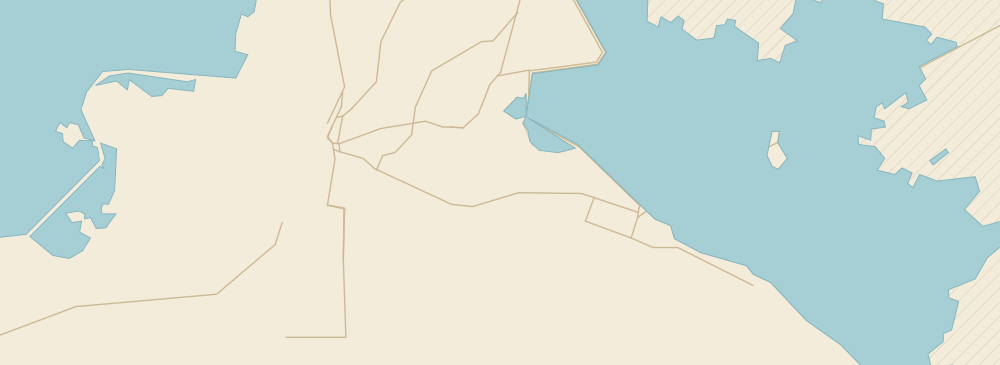
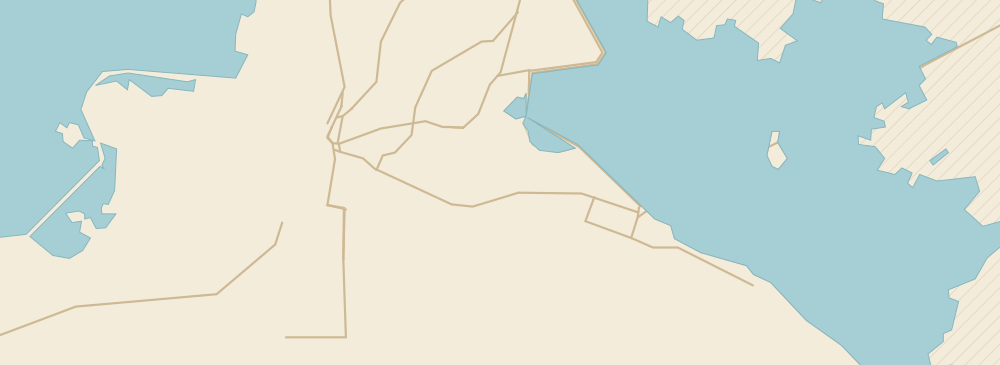
Lakes and roads drawn from OpenStreetMap; pin positions are approximate. The salt flats (hatched) dry out and flood with the seasons. Map data © OpenStreetMap contributors, ODbL.
Questions people ask
How salty are the Siwa salt lakes?+
Very. Lake water sampled for a 2017 study held about 220 g of dissolved salt per litre in Lake Aghurmi, 239 g in Lake Zeitun and 280 g in Lake Maraqi, mostly sodium chloride. Seawater holds about 35 g. No published figure exists for the quarry pools themselves.
How long can you stay in the water?+
About 20 to 30 minutes is plenty. The brine dries the skin, stings any cut, and the sun off the white salt is fierce. Get out, rinse with fresh water and drink some water before going back in.
What if salt water gets in my eyes or a cut?+
It stings any cut or scratch and is painful in the eyes. Do not rub your eyes: rinse them straight away with plenty of fresh bottled water, which is why you bring two big bottles. Do not shave the day before, rinse and cover cuts, and if a sting does not settle, stop for the day.
Are the salt lakes natural?+
Siwa sits in a depression full of natural salt lakes. The small, vivid turquoise pools people photograph are mostly old salt quarries that filled with water.
Can you swim in Siwa's salt lakes in winter?+
You can, but the water is cold from December to February. April to June and September to November are the best months.
Why are the salt pools turquoise?+
They are clear, shallow-sided brine pools over white salt, which reflects the sky and gives the bright blue-green colour.
Go with us
Trips that include this
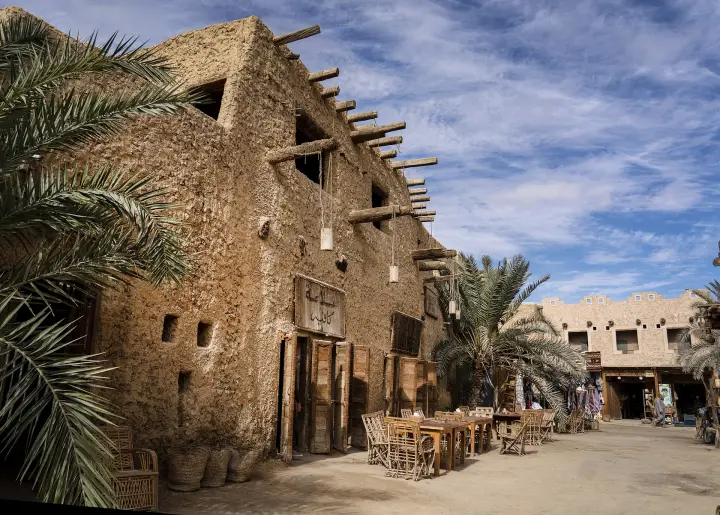
3 days, 2 nights
Siwa Oasis in 3 Days from Cairo (Private Trip)About US$420 to 650 per person for two travellers
Check dates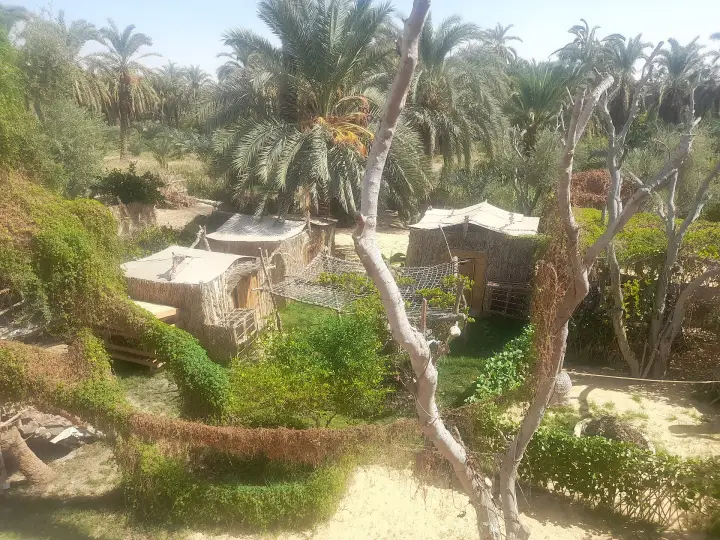
4 days, 3 nights
Siwa in 4 Days: Eco-Lodge and a Night in the Great Sand SeaAbout US$495 to 825 per person for two travellers (the lodge level decides the price)
Check dates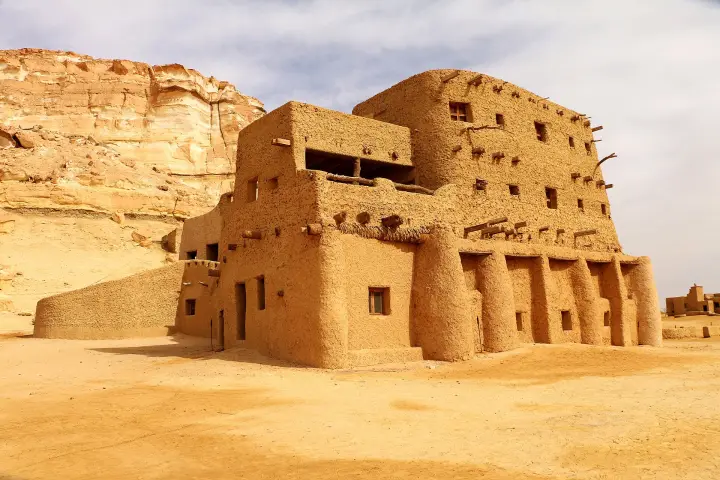
4 to 5 days (3 or 4 nights in Siwa)
Luxury Siwa: Candlelit Eco-Lodge EscapeOn request (depends on the lodge and season)
Check dates