The short answer
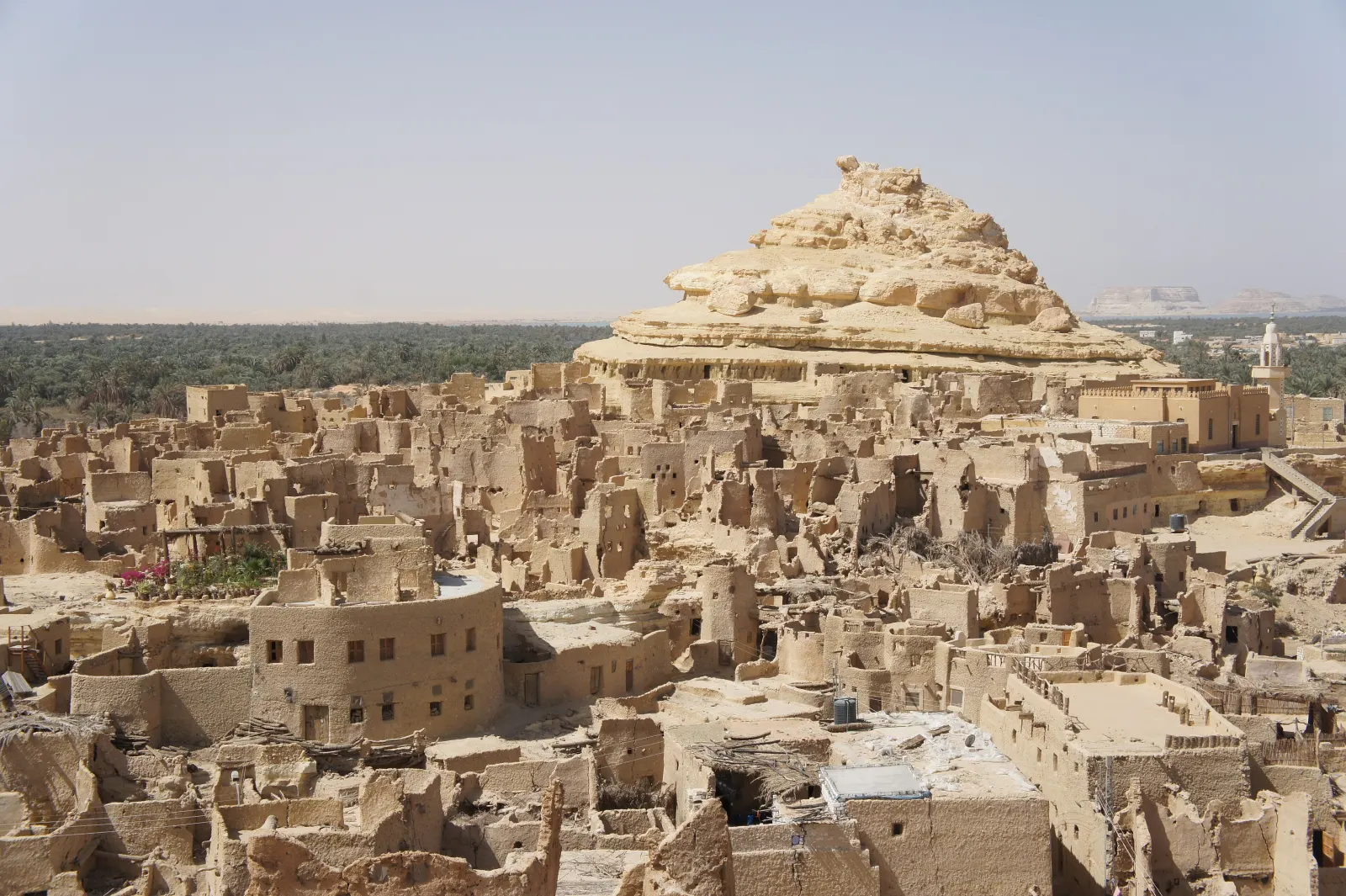
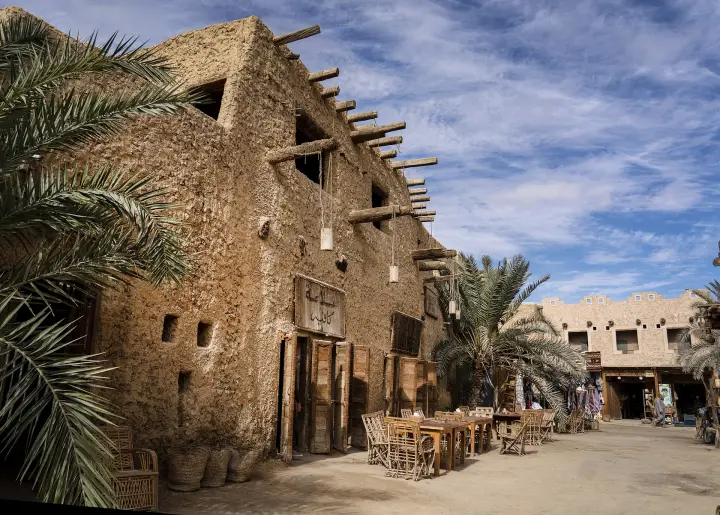
Shali is the old fortified town of Siwa, founded in the early 13th century and built of kershef, a mix of salty mud and rock salt. Its families lived inside its walls for 700 years until three days of rare heavy rain in 1926 dissolved much of it. Restored in 2018 to 2020, it is open to wander, and sunset from the top is the classic Siwa view.
Ask us on WhatsAppShali in one minute
| What | The old fortified town of Siwa, built of kershef |
| Founded | 600 AH, or 1203 AD |
| Height | Once around five storeys of houses |
| Abandoned | After three days of heavy rain in 1926 |
| Restored | 2018 to 2020, with EU funding; inaugurated 6 November 2020 |
| Where | The centre of Siwa town, above the main square |
| Time needed | 45 minutes to an hour |
| Best time | Late afternoon and sunset; floodlit at night |
The story
For most of Siwa's history the oasis was exposed: Bedouin raids came across the desert, and rival Siwan groups competed for water and land. Around 1203 the Siwans built a new fortified town on a rock outcrop above the gardens and called it Shali, which simply means town in Siwi. Its full name is Shali Ghadi; ghadi means remote (Wikipedia: Siwa Oasis, checked 17 November 2026).
ICESCO's heritage entry gives the founding as 600 AH (1203 AD) and says the town was built as a refuge from outside attack, above all from Bedouin raiders. It lists three gates, six wells, a defensive wall, a mosque, houses and shops, and a sitting room where families met for funerals, weddings and to settle disputes (ICESCO Islamic World Heritage, checked 17 November 2026).
Houses were stacked against each other on the rock, rising four and five storeys, with narrow covered lanes, a mosque and very few entrances. For centuries the whole community lived inside, and when families grew, they built upwards. Gates were closed at night.
The town was built of kershef (also spelled karshif): lumps of salt-crusted mud from the edges of the lakes, laid with mud mortar and bound by palm trunks used as beams. ICESCO adds that the palm wood was treated in the salt lake to remove the sap that draws biting insects. In a place where it almost never rains, kershef is ideal: it dries hard as rock, keeps rooms cool by day and warm at night, and costs nothing but labour. See kershef architecture.
1926
The weakness of salt and mud is water. In 1926 it rained for three days, an event older Siwans still talked about decades later. Walls slumped, roofs collapsed and lanes filled with mud. Most families moved down to new houses on the plain below, and locals came to call the old town the "City of Ghosts" (Al-Monitor, November 2018). Over the following decades Shali became a hill of melted, cracked towers. The mosque was the one building kept in repair and in use.
The restoration (2017 to 2020)
Short answer: The mosque came first (work began in 2017), then the wider town from 2018. Ministers and an EU team opened the restored fortress on 6 November 2020.
| Year | What happened | Source |
|---|---|---|
| 2017 | Restoration of the old mosque begins; it later reopens to visitors | Egyptian Streets, Oct 2018 |
| Oct 2018 | Government announces the plan for streets, the main outer wall and selected houses | Al-Monitor, Nov 2018 |
| 2018 to 2020 | Ruined structures conserved and given new uses, khoss market spaces restored, Earth Architecture Museum set up | EU Delegation to Egypt |
| 6 Nov 2020 | Official inauguration with three ministers and the Governor of Matrouh | EU Delegation to Egypt (as above) |
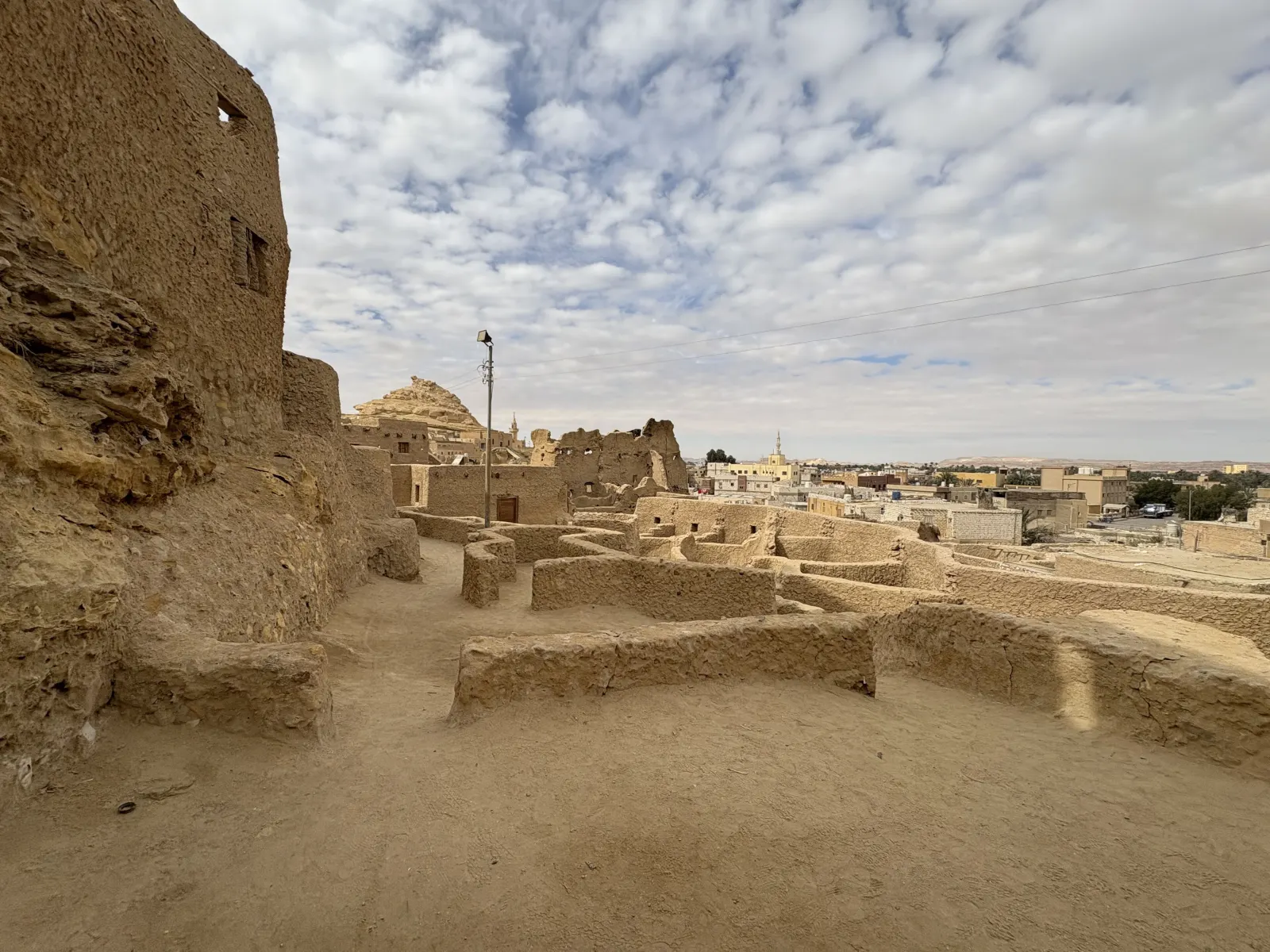
The EU paid for the work and Environmental Quality International (EQI), an Egyptian company, designed it, co-financed it and ran it on site. The 2018 plan also covered three houses, restored to show different Siwan building types, and a study of the ruins that drew on residents' input. Residents were trained to repair their own homes in the traditional way. Builders kept to kershef and palm wood rather than concrete, so the old town still looks like itself. The same programme funded a maternal and child healthcare centre for Siwa's residents.
Not every wall was rebuilt. Large parts of the hill remain a stabilised ruin, which is deliberate: the aim was to conserve what survived and make it safe to walk, not to recreate a new town.
Visiting
Getting in
Shali rises straight from the main square, so you can walk in from any restaurant or shop. Paths lead up through the ruins to the summit. The easiest approach is from the south-west, where several uneven footpaths lead into the ruins (Wikipedia). Ticket arrangements have varied over the years, so ask us for the current position before you go.
What you see
- The maze of collapsed houses and the restored lanes
- Salt crystals glinting in the walls
- The old mosque, named as Tatnady in Egyptian Streets, with its tapering minaret, still used for prayer
- The Earth Architecture Museum, which explains how Siwans built with salt and mud
- The view from the top: palm gardens to every horizon, the salt lakes, Gebel Dakrour and the dunes beyond
Sunset and night
Go up 45 minutes before sunset and stay as the oasis turns gold, then pink. After dark the fortress is floodlit and the market below comes alive.
Tips
- Wear shoes with grip: the paths are uneven and dusty
- Bring a torch if you go up at dusk
- Dress modestly: you pass homes and a working mosque
- Do not climb on fragile walls; kershef crumbles
What travellers report
Short answer: The view from the top is what almost everyone remembers. The ruin itself divides people: some find its fragility moving, others find it underwhelming after Egypt's big temples.
- Climb for the view. It is a short climb, about 10 minutes, and many travellers say the panorama over the oasis is the best in town.
- Avoid midday. Visitors who came at lunchtime in the warm months found it punishing. Late afternoon, sunset or sunrise work far better.
- Set expectations. Much of Shali is collapsed mud. Some visitors call it a must-see; others say to see it as a living ruin, not a monument.
- Quiet most of the day. Outside sunset you may have the lanes almost to yourself.
- Watch your footing. Some paths are steep and slippery with dust.
Around Shali
- The market: dates, olive oil, embroidery, salt lamps. See Siwan crafts.
- Restaurants on the square, good for a simple dinner after sunset.
- The Siwan House museum, a short walk away. See Siwan House museum.
Shali on a trip
Our 3-day trip from Cairo arrives in time for Shali at sunset on the first evening.
Shali in numbers and names
| Siwi name | Shali Ghadi: "Shali" is the town, "Ghadi" means remote |
| Gates | Three, according to ICESCO |
| Wells | Six inside the walls (ICESCO) |
| Mosque | The old mosque (Tatnady in press reports), with a tapering mud minaret |
| Heritage listing | ICESCO Islamic World Heritage list since 2021 (Daily News Egypt, July 2021); not a UNESCO site |
| Population inside | The whole oasis community for centuries |
| Construction | Kershef, palm trunks, olive-wood doors |
| Night | Floodlit, with the market busy below |
Why so few doors and windows?
Short answer: Defence and climate. Few openings kept out raiders, sun and sand; narrow covered lanes stayed cool and dark.
Many of Shali's lanes were roofed over, creating tunnels so dark that residents walked with a hand on the wall. Windows were small and high. In summer, families slept on the roofs.
Shali today
Short answer: Partly restored, partly a ruin, and once again the social heart of Siwa, with shops and cafés at its foot.
The restoration brought back the lanes around the base, the mosque area and a museum of earthen architecture. ICESCO notes that the western part of the old town is still lived in, so treat it as a neighbourhood as well as a site. Kershef stays fragile: Wikipedia describes the old town as gradually eroded by infrequent rains and slowly collapsing (checked 17 November 2026), so keep to the marked paths. See hotels and lodges and restaurants.
Photography
The best light is the last hour before sunset from the top, and the blue hour from the square, when the floodlights come on. See photo spots.
Where it is
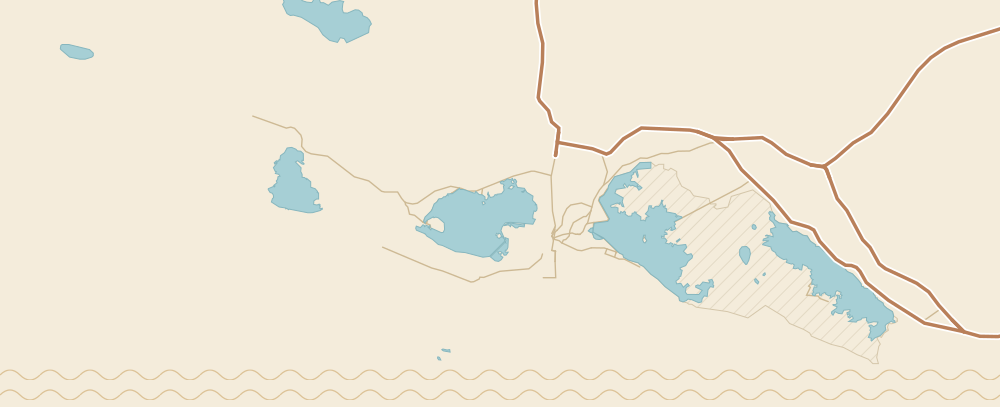
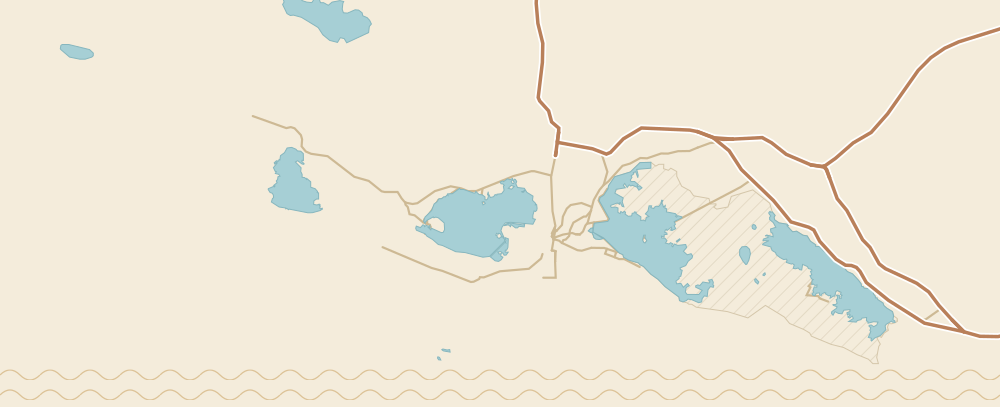
Close-up: around Siwa town
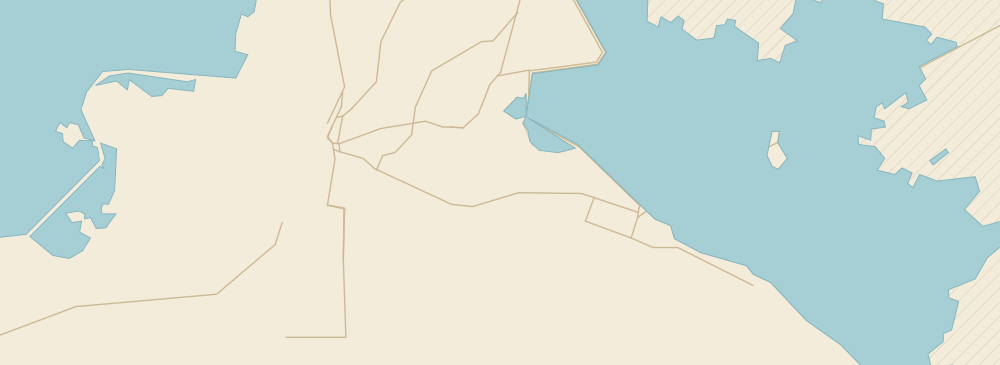
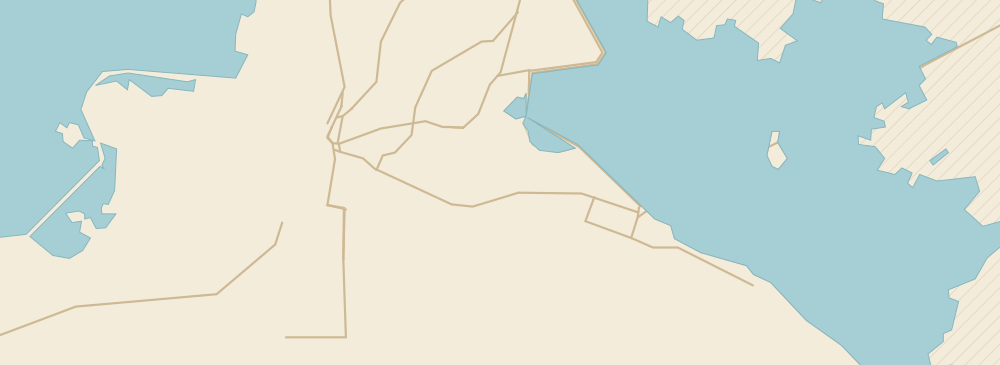
- 1Shali and Siwa town
- 2Gebel al-Mawta
- 3Oracle Temple
- 4Umm Ubayda
- 5Cleopatra Spring
- 6Gebel Dakrour
- 7Fatnas
- 8Salt pools
- 9Adrère Amellal
- 10Shiatta (permit)
- 11Abu Shuruf
- 12Zeitoun
- 13Bir Wahed
Lakes and roads drawn from OpenStreetMap; pin positions are approximate. The salt flats (hatched) dry out and flood with the seasons. Map data © OpenStreetMap contributors, ODbL.
Questions people ask
How long does a visit take?+
About 45 minutes to an hour, longer if you sit for sunset at the top.
What does Shali mean?+
In Siwi, the Amazigh language of the oasis, Shali simply means town.
Can you visit Shali at night?+
Yes. The old town is floodlit after dark and the market at its foot stays busy in the evening.
Is Shali the same as the Oracle Temple?+
No. Shali is the medieval town in the centre. The Oracle Temple is the ancient sanctuary on the rock of Aghurmi, 4 km east.
Do I need a ticket for Shali?+
Arrangements have changed over the years, so ask us or check at the site before you go. The lanes around the base are part of the everyday town.
Who restored Shali?+
The EU funded it and the Egyptian firm EQI designed and carried out the work. The restored fortress was formally inaugurated on 6 November 2020.
Is Shali a World Heritage Site?+
It is not a UNESCO site. ICESCO, the Islamic world's cultural organisation, added Shali to its Islamic World Heritage list in 2021.
Go with us
Trips that include this
3 days, 2 nights
Siwa Oasis in 3 Days from Cairo (Private Trip)About US$420 to 650 per person for two travellers
Check dates
4 days, 3 nights
Siwa in 4 Days: Eco-Lodge and a Night in the Great Sand SeaAbout US$495 to 825 per person for two travellers (the lodge level decides the price)
Check dates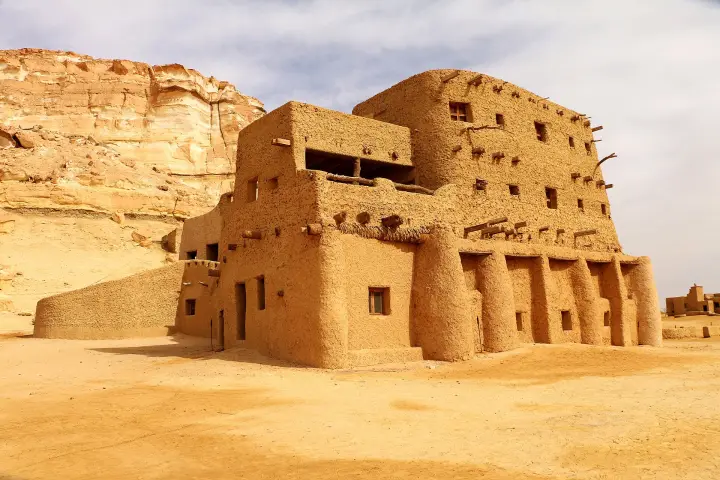
4 to 5 days (3 or 4 nights in Siwa)
Luxury Siwa: Candlelit Eco-Lodge EscapeOn request (depends on the lodge and season)
Check dates