The short answer
Siwa's best-known crafts are women's embroidery in red, orange, yellow, green and black, heavy silver jewellery, coiled palm-leaf baskets, simple pottery and carved salt. Most shops sit within a few minutes' walk of the market square below Shali. Shop in the morning or evening, carry cash in small notes, and be wary of "antique" silver: Egyptian law bans selling or exporting antiquities over 100 years old.
Ask us on WhatsAppSiwan crafts at a glance
Short answer: Siwa is known for colourful embroidery on black cloth, heavy traditional silver, coiled palm-leaf baskets, simple pottery and, more recently, carved salt lamps. The best buys are embroidered shawls and dresses, baskets, dates, olive oil and salt lamps, ideally from women's cooperatives that pay makers fairly.
Wikipedia's article on the oasis lists basketry, pottery, silverwork and embroidery as the traditional crafts of Siwi culture (checked 17 November 2026). Salt carving is the newcomer.
| Craft | What to look for | Where | Packs well? |
|---|---|---|---|
| Embroidery | Red, orange, yellow and green stitching on black or white, with buttons and shells | Market, cooperatives, lodges | Yes, folds flat |
| Silver | Old pieces are rare and pricey; most modern pieces are replicas | Specialist shops | Yes, but see the export rules below |
| Basketry | Coiled palm leaf with leather and wool trims; food covers (tabaqs) | Market | Yes, light; large ones are bulky |
| Pottery | Simple water jars, incense burners | Market | Fragile; wrap well |
| Salt | Carved lamps, candle holders, blocks | Market, salt workshops | Heavy; chips easily |
Where to find them in the oasis
Short answer: Most craft shops are on the market square below Shali and the lanes just off it. You only need transport if you combine shopping with the salt pools or sights out of town.
The square is the reference point for every distance on our Siwa map. The craft and date shops line the square and the lanes off it, with the old fortress rising behind.
| From the market square | Distance | How |
|---|---|---|
| Craft and date shops | On the square and nearby lanes | On foot |
| Siwan House museum | 0.2 km | 3 minutes' walk |
| Shali | 0.3 km | 5 minutes' walk, uneven at the top |
| Gebel al-Mawta | 1.7 km by road | Bike or tuk-tuk, about 5 minutes by tuk-tuk |
| Salt pools | 14.6 km by road | Car, 20 to 25 minutes |
For transport options and bike times, see getting around Siwa.
Embroidery
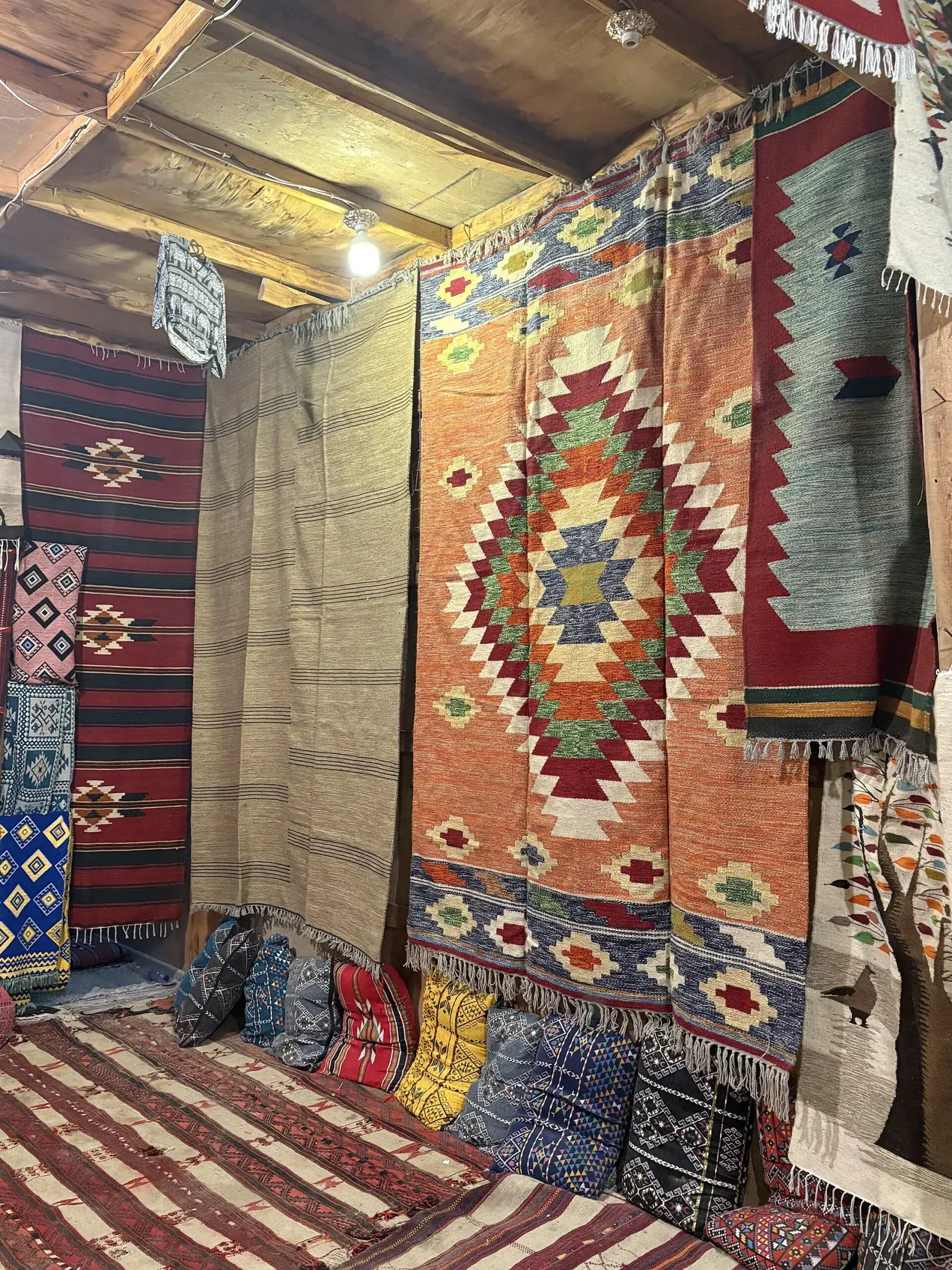
Short answer: The most famous Siwan craft, made by women at home: geometric and floral patterns in bright silk or cotton thread on dark cloth.
The Textile Research Centre in Leiden, which holds a 1970s Siwan headdress and wedding dress, describes the palette as black, dark green, orange, red and yellow, said to echo dates as they ripen (checked 17 November 2026). The same source notes that floss silk was the old thread, and that rayon, perlé cotton and plain cotton had taken over by the late 20th century. Rows of couched thread are held down with blanket and cross stitches, then finished with mother-of-pearl buttons and shell discs.
The full bridal outfit is a large T-shaped dress with embroidered trousers, a head covering and shoes, made in black and white versions. Today's tourist pieces borrow the motifs for shawls, bags, cushion covers and table runners.
Two things to know before you buy:
- Hand work takes time, and it is priced accordingly. A shawl with a single border band costs far less than one worked across its whole surface. Compare the density of stitching, not just the size.
- Colours have moved on. Siwan embroiderers traditionally worked in five colours, and a women's development project brought in new ones. Arab News reported in July 2006 that the project had started with 50 Siwan women and then employed 150, with about 120 more in training, and that an Italian couture house had used Siwan embroidery since 2003. A pastel cushion can still be Siwan-made; ask.
Silver
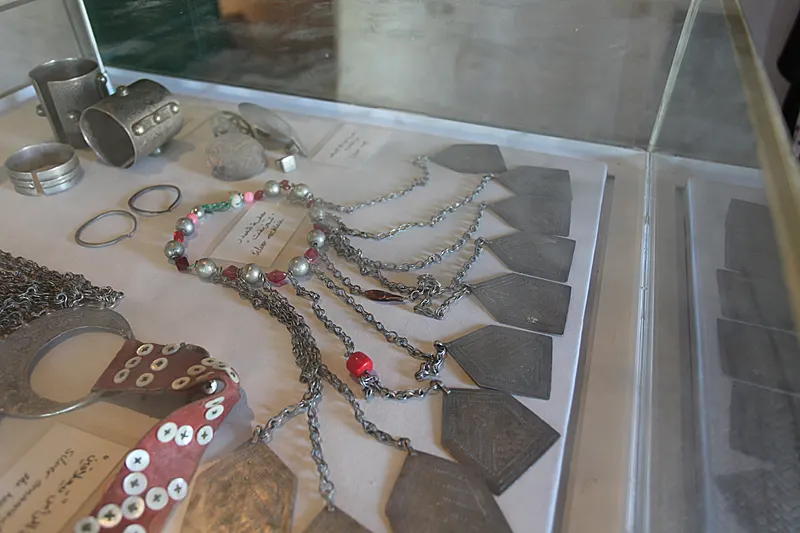
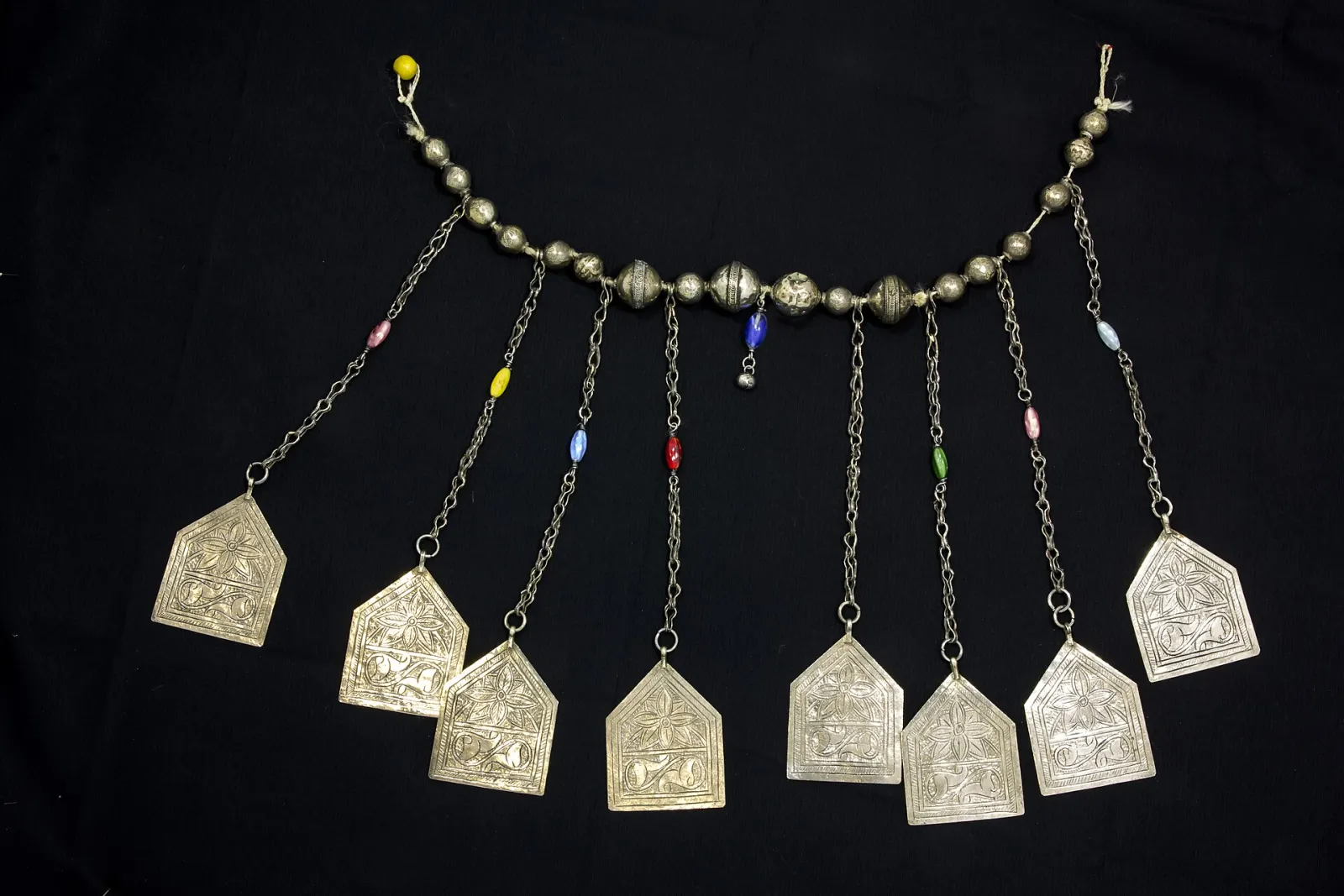
Short answer: Siwan silver was worn by women as their wealth and status: the large adrim disc, the aghraw neck ring, bracelets and hair ornaments. Old pieces are now collectors' items.
A wealthy woman's full set of silver could weigh five or six kilos, engraved with signs meant to protect health and fertility. After the road and television reached Siwa, gold gradually replaced it, and much of the old silver was sold or melted down. The pieces in today's shops are mostly new work in the old shapes.
The safest way to see the real thing is the Siwan House museum, 200 m from the square; read our museum guide before you shop, so you know what the originals look like.
Antiques and the law
Egypt's antiquities law (Law 117 of 1983, as amended in 2010) treats an object as an antiquity if it is more than 100 years old and has archaeological, artistic or historical value. It bans trade in antiquities and their transfer out of the country (text on the UNESCO cultural heritage laws database, checked 17 November 2026). In practice:
- Buy silver as modern craft, not as an antique.
- Ask for a written receipt that describes the piece as new work.
- Walk away from anyone offering "old" pieces with stories attached.
Basketry
Short answer: Coiled baskets of palm leaf, sewn with palm fibre and decorated with leather, wool and silk.
Basketry is the craft most visitors leave with, because a woven tray weighs very little. Look at the coil: tight, even rounds hold their shape for years, while loose coils sag. The coloured wool, leather strips and tassels are decoration rather than structure. A flat tabaq food cover packs inside a suitcase lid; a lidded storage basket does not, so carry it on.
Salt, pottery and palm wood
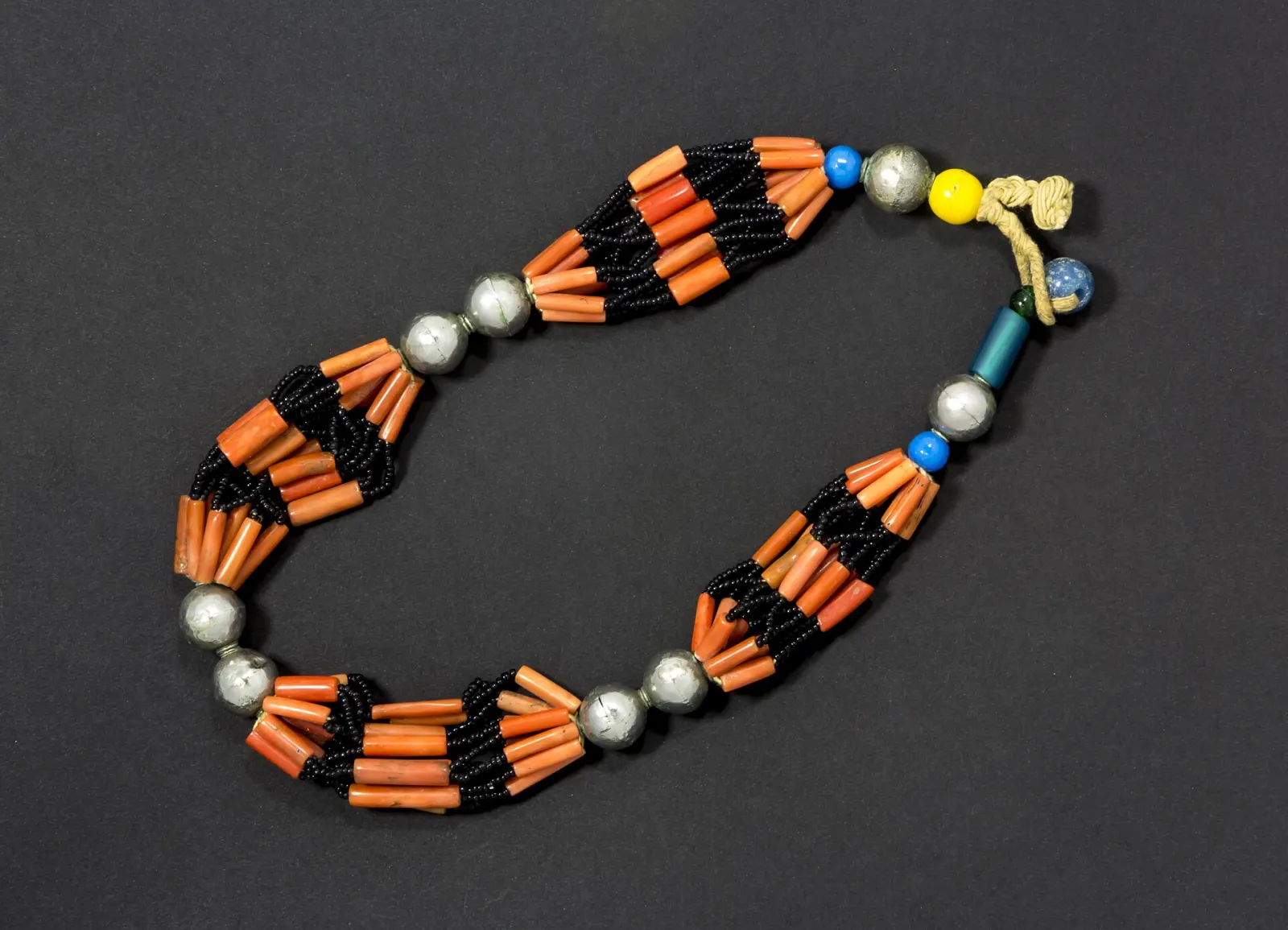
Short answer: Salt blocks cut from the lakes are carved into lamps, candle holders and decorative pieces, a newer craft that grew with the salt industry.
Salt pieces suffer from damp and knocks. Wrap each one in clothing, keep it away from liquids in your bag, and expect a lamp to eat into an airline allowance. If you are visiting the salt pools anyway, you will see the raw material there. Plain clay water jars, incense burners and small items in palm and olive wood complete the range; clay is the most fragile thing you can buy here.
When to go shopping
Short answer: Mornings and evenings, any month. Avoid the midday heat in summer, and expect a slower Friday.
| Season | What to expect |
|---|---|
| October to April | Comfortable for walking between shops all day; the busiest months for visitors |
| May to September | Mean highs reach 37.5 °C in June and July (WMO normals), so shop early or after sunset |
| Ramadan 2027 (expected 8 or 9 Feb to about 9 Mar) | Quiet by day, livelier after iftar at sunset. See Siwa in Ramadan |
| Friday | Some shops may pause for midday prayers; the Siwan House museum is usually shut |
Evenings around the square are the busiest time, with Shali lit up behind the shops. Opening hours vary from shop to shop and season to season; ask your hotel or guide.
Costs and money
Short answer: Prices are modest by Cairo standards but vary hugely with the amount of hand work. Pay cash in Egyptian pounds.
We do not print shop prices, because they change with the exchange rate and with each piece. For scale, Ahram Online reported the US dollar at about EGP 56.18 on 26 October 2026 (checked 17 November 2026). Ask us for current typical prices before you travel if you want a budget.
- Carry small notes; change is often short.
- Bargain lightly on crafts, not on food. Makers' margins are small.
- Ask whether the money goes to the woman who stitched the piece.
Mistakes to avoid
- Photographing makers. Never photograph Siwan women, in a shop or anywhere else. Ask the shopkeeper about who made a piece instead. See Siwa etiquette.
- Buying the first shawl you see. Look in three or four shops; quality varies more than price.
- Packing salt with liquids. A leaking bottle of olive oil or water dissolves edges and stains everything.
- Expecting cards. Few shops take them.
- Buying "antique" silver. See the law above.
Accessibility and families
The square and the lanes immediately around it are flat, though surfaces mix paving, packed earth and sand. The Siwan House museum is a short level walk. Shali is the one stretch with steep, uneven paths; skip the climb if mobility is limited.
For children, baskets and small salt pieces make good souvenirs to choose themselves. Keep a close eye on young hands around pottery and salt lamps. Our 3-day itinerary keeps town mornings short, which suits families.
Combine it with
| Plan | Time |
|---|---|
| Siwan House museum, then shops | About 1.5 hours |
| Shali climb, museum and shops | Half a morning |
| Shops, then a bike ride to Cleopatra Spring (3.4 km) | Half a day |
| Shops, then the salt pools by car | Half a day |
Our Siwa Oasis day tour passes the square; tell us if you want shopping time built in, or contact us. For more, see Siwi people and culture and things to do in Siwa.
Reading embroidery colours
| Colour | Traditional association |
|---|---|
| Red | Joy, weddings |
| Orange and yellow | The sun, dates |
| Green | Palms and gardens |
| Black ground | The cloth of married women's dress |
Meanings vary between families; ask the maker. The full-length tarfottet shawl Siwan women wear outdoors is not a local weave: Wikipedia notes its cloth comes from Kirdasa in Giza.
Questions people ask
Is the silver in Siwa's shops antique?+
Very little of it. Most is recent work in the old style, and some is plated. Egyptian law treats objects over 100 years old with historical or artistic value as antiquities that cannot be sold or exported, so a genuine old piece is a problem, not a bargain.
What is the best craft souvenir from Siwa?+
An embroidered shawl, bag or cushion cover made by Siwan women, or a palm-leaf basket. Both are light and pack flat. Add dates or olive oil from the same shops.
How do I tell real Siwan embroidery from machine work?+
Turn it over. Hand stitching is slightly uneven on the back, threads are knotted or finished by hand, and buttons and shell discs are sewn on one by one. Machine work has a perfectly regular back and repeats exactly.
Can I visit a women's workshop?+
Sometimes, through a guide or a women's project, and often only for women visitors. Ask us before you go rather than turning up, and never photograph the makers.
Can I pay by card?+
Rarely. Craft shops work in cash, in Egyptian pounds. Bring small notes from Cairo or Alexandria, because Siwa's few ATMs can run dry.
Will a salt lamp survive the flight home?+
Usually, if it is wrapped and packed in the middle of your hold bag. Salt is heavy and chips at the corners. A small candle holder is the safer choice; keep any salt piece dry at home.
How much time do I need?+
An hour covers the shops around the square. Add 20 to 40 minutes for the Siwan House museum close by if you want to see old silver and wedding dresses first.
Go with us
Trips that include this
About 8 hours
Siwa Oasis Day Tour (from Your Siwa Hotel)About US$65 to 80 per person for two travellers (about US$130 to 160 per car)
Check dates