The short answer
Siwans are Egypt's only Amazigh (Berber) community. They speak Siwi at home and Egyptian Arabic with outsiders, and organise life around families, clans and Sufi brotherhoods. Look for embroidered dress, old bridal silver, date and olive farming, kershef houses and the Siyaha reconciliation festival at Gebel Dakrour around the October full moon. Never photograph Siwan women.
Ask us on WhatsAppWho the Siwans are
Short answer: Siwans are an Amazigh (Berber) people, the easternmost Berber community in North Africa. They speak their own language, Siwi, as well as Arabic, and keep distinctive customs in dress, music, crafts, food and family life.
| Population | About 36,500 people live in Siwa district, the oasis and its villages (official CAPMAS estimate for mid-2023; the 2017 census counted 28,088). See Siwa at a glance |
| Language | Siwi (own name Jlan n Isiwan) and Egyptian Arabic |
| Social structure | Ten tribes, historically split into eastern and western factions |
| Religion | Sunni Islam, with strong Sufi traditions |
| Economy | Dates, olives, tourism, salt, crafts |
| Big festival | Siyaha at Gebel Dakrour, around the October full moon |
| Setting | Siwa lies in a depression that reaches about 20 m (65 ft) below sea level, about 50 km from the Libyan border |
That district figure counts everyone registered there, not only Siwans. The Siwi people themselves number about 30,000 in Egypt, in Siwa and the small oasis of Qara, according to Wikipedia's Siwi people article, citing Minority Rights Group (checked 17 November 2026).
Origins
Short answer: Siwa's people descend from ancient Libyan Berber groups, mixed over centuries with Bedouin Arabs, people from the Nile Valley and travellers on Saharan caravan routes.
Ancient Egyptian texts describe Libyan peoples in the western oases long before Islam. Siwans' Berber identity links them to Amazigh communities in Libya, Tunisia, Algeria and Morocco, even though the nearest of these live hundreds of kilometres away. Freed slaves from the caravan trade, Bedouin tribes and Egyptian traders have also married into the community.
Isolation shaped the culture. Until a tarmac road reached the Mediterranean coast in the 1980s, camel tracks were Siwa's only link to the outside, used for exporting dates and olives and by pilgrims crossing from the Maghreb towards Mecca (Wikipedia: Siwa Oasis, checked 17 November 2026). Bedouin and Siwan families traded through hereditary "friendships": a Bedouin lodged with the same Siwan household on each visit and swapped grain and animal products for dates and olive oil. For the longer story, see Siwa history.
Language: Siwi
Short answer: Siwi is the everyday language at home and in the market among Siwans. It is spoken, not written, and visitors are never expected to know it.
Linguists estimate 15,000 to 20,000 speakers in Siwa and Qara (Gara) (Wikipedia: Siwi language, checked 17 November 2026). It is the only Berber language native to Egypt. Because it is not taught in schools or used on television, UNESCO's Atlas of the World's Languages in Danger classes it as definitely endangered, and nearly all Siwans also learn Egyptian Arabic from an early age.
What this means for you:
- Arabic works everywhere. Shopkeepers, drivers and lodge staff switch to Arabic, and many in tourism speak some English.
- A Siwi greeting is a gift, not a requirement. Ask your guide for the local hello and thank-you and use them in the market.
- Conversations around you will often be in Siwi. That is not rudeness; it is the household language.
Family and society
Short answer: Siwa is organised around families and ten tribes, with elders who settle disputes. The privacy of women and the home is central.
The old rivalry between eastern and western factions now survives mostly as identity. Tribal sheikhs and elders still mediate family and land quarrels, often before anyone goes to the police. Siwans mostly marry other Siwans, rarely outsiders (Wikipedia: Siwa Oasis, checked 17 November 2026).
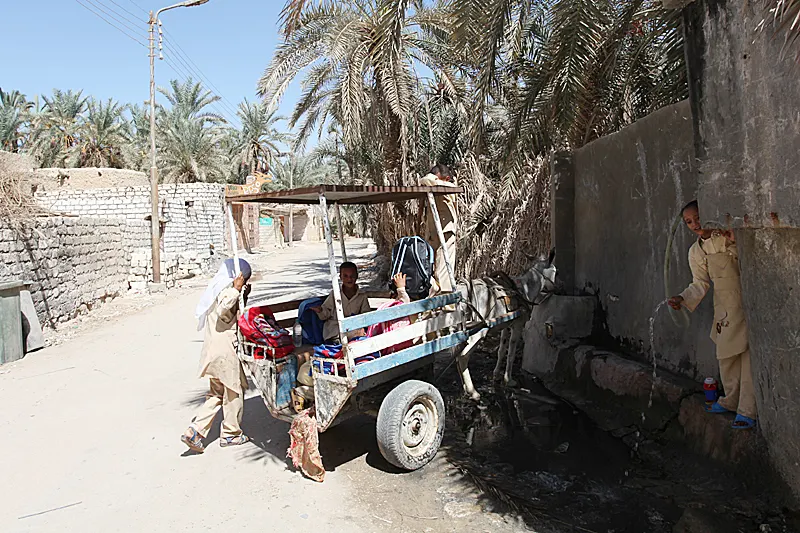
Inside the home, women often take the household's financial decisions. Outside it, they are rarely seen. When they go out, they wrap themselves completely in the tarfottet, a grey-blue shawl whose cloth comes from Kirdasa, near Giza, more than 700 km away by road. The practical rules that follow for visitors are in Siwa etiquette.
Dress and silver
Short answer: Women's dresses and trousers carry bright embroidery with buttons and shells; heavy silver once showed a woman's status and is now mostly in museums and collections.
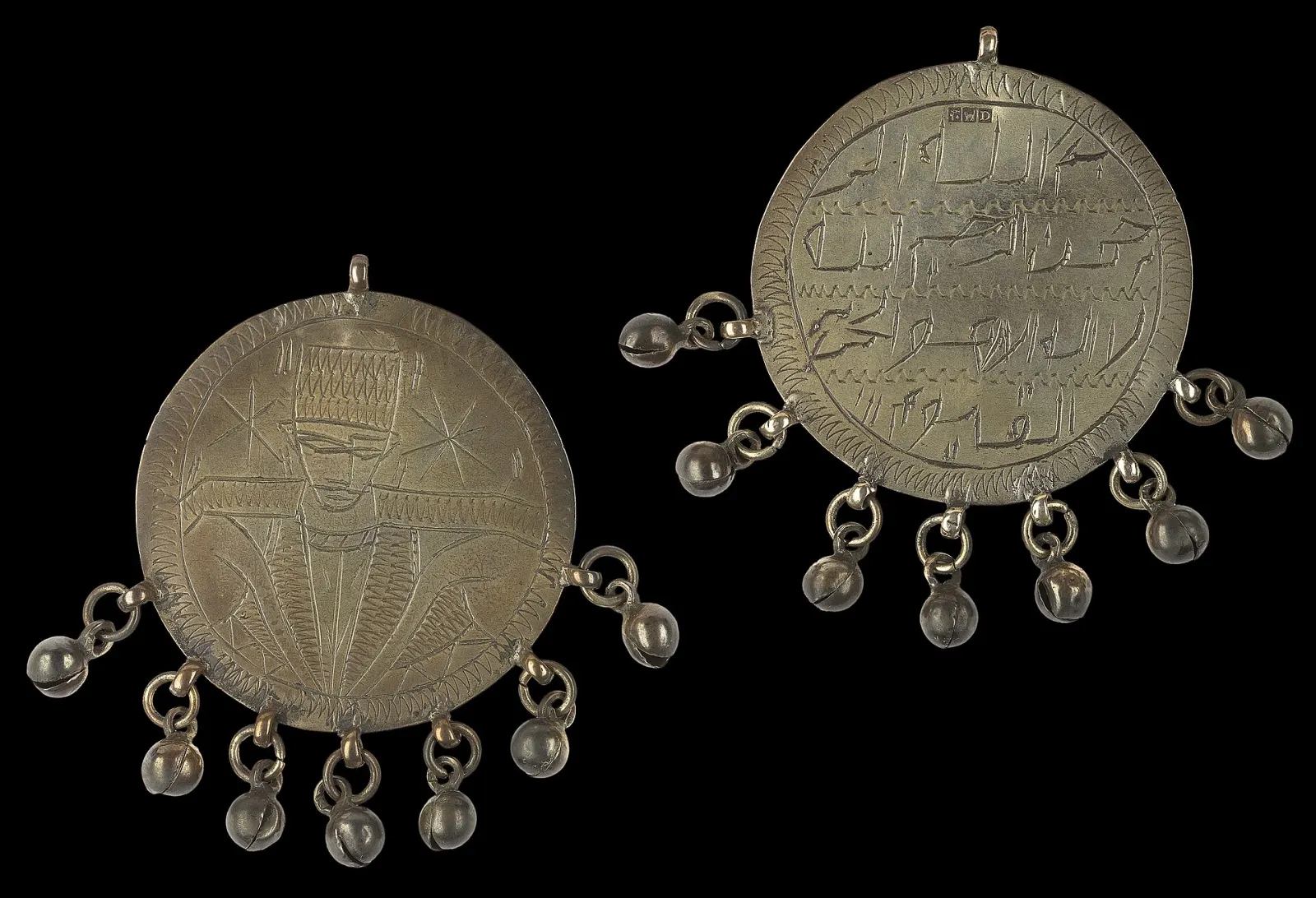
The best-known pieces are the adrim, a large engraved disc, and the aghraw, a round neck ring it hung from. A girl gave up the disc at a ceremony at a spring on her wedding day. A wealthy woman's full set of necklaces, bangles, earrings, hair ornaments and rings could weigh five or six kilos, engraved with Berber symbols meant to protect health and fertility. After the road and television arrived, gold replaced most of this silver, though the old motifs carry on in embroidery (Wikipedia: Siwa Oasis, checked 17 November 2026).
Where to see it: the Siwan House museum. What to buy and how to judge modern pieces: Siwan crafts.
Religion and the Sufi tradition
Short answer: Siwans are Sunni Muslims, and Sufi brotherhoods matter. Sidi Sulayman is the oasis's patron saint, and a Thursday evening dhikr with chanting is part of Sufi life.
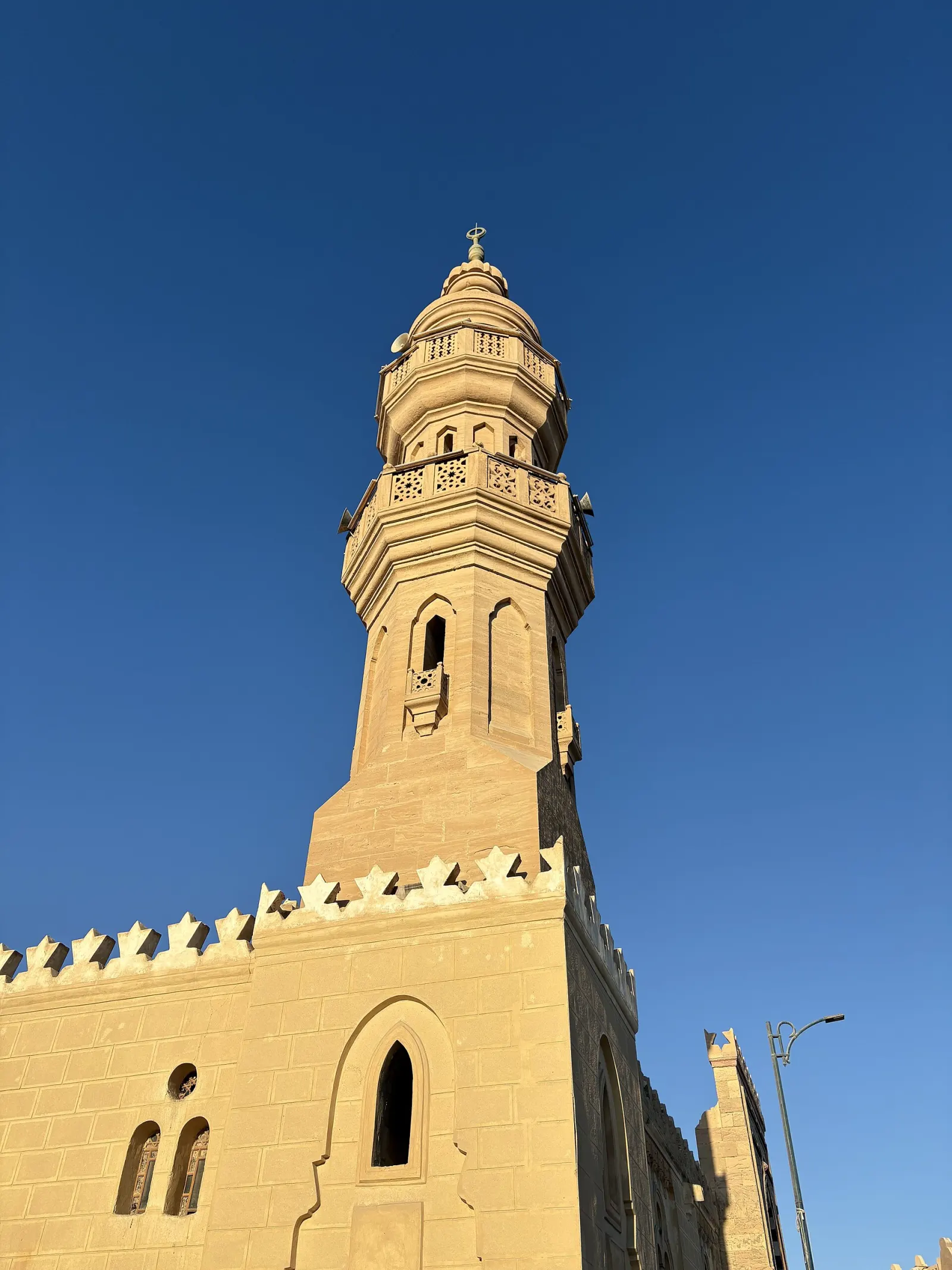
The main square in the centre of town carries the saint's name, and the Siyaha march ends there. Dhikr, the rhythmic repetition of God's name, is held on Thursday evenings; your guide will know where and when. Visitors who are modestly dressed and quiet are sometimes allowed to watch from the edge; a local guide should ask first.
Festivals through the year
Short answer: Siyaha in October is Siwa's own festival. The two Eids, Ramadan and Ashura are marked as across the Muslim world, with some local customs.
| Event | When (2027) | What visitors notice |
|---|---|---|
| Ramadan | Late winter; see Siwa in Ramadan | Quiet days, shops open later, lively evenings |
| Eid al-Fitr ("the Little Eid") | Straight after Ramadan | Family visits; a public holiday across Egypt |
| Eid al-Adha ("the Big Eid") | About ten weeks later | Sheep are slaughtered; Siwans cook the skin with the innards as a festival dish |
| Ashura | Early in the Islamic new year | Children traditionally carried torches and swapped sweets |
| Siyaha (Eid el-Solh) | Three days around the full moon of 15 October 2027 | Men gather on Gebel Dakrour; book rooms early |
The full moon date is from timeanddate's 2027 moon phases for Cairo (checked 17 November 2026). Siwa fixes the festival days locally each year, so treat them as provisional. The full calendar is in Siwa events and holidays 2027.
How Siyaha works. The oasis's mosques collect money so the food can be bought jointly. Siwan men gather on Gebel Dakrour, and after the midday prayer they share a meal of fattah (rice, toasted bread and meat); nobody starts until the caller gives the word. Chanting and prayer run over three lunar days while women celebrate in town with drums and singing. Early on the fourth morning the men march with flags and songs to Sidi Sulayman square, marking a new year without grudges (Wikipedia: Siwa Oasis, checked 17 November 2026). The name is older than tourism and has nothing to do with siyaha meaning tourism in Arabic.
Weddings bring music with the zummara (double pipe), drums and singing, but they are private family events. Do not go looking for one.
Where culture is visible, and how far it is
Short answer: Shali, the museum and the craft shops are within a 5-minute walk of the market square. Gebel al-Mawta is about 1.6 km away and Gebel Dakrour about 4.5 km by road to the south-east.
| Place | Distance from the market square | Getting there | What it shows |
|---|---|---|---|
| Sidi Sulayman square | In the town centre | Walk | Named after the patron saint; end of the Siyaha march |
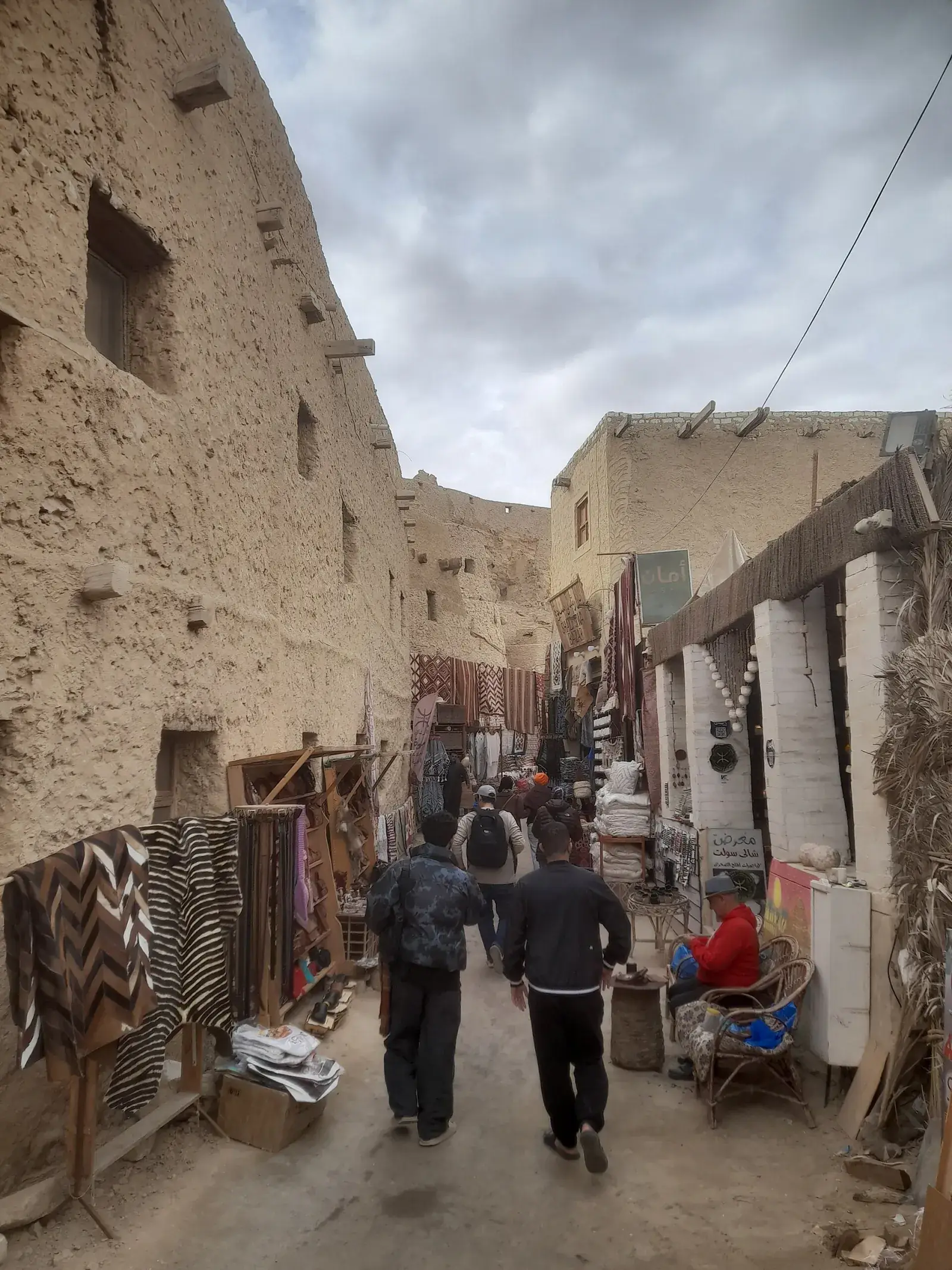
| Shali | About 150 m | Walk, 2 min | The old kershef town and its lanes |
| Siwan House museum | About 250 m on foot | Walk, 3 to 4 min | Dress, silver, baskets, a furnished house |
| Embroidery and basket shops | Around the square | Walk | Modern crafts in old patterns |
| Gebel al-Mawta | About 1.6 km by road | Bike, tuk-tuk or car, a few minutes; about 20 min on foot | Ancient tombs on the town's edge |
| Gebel Dakrour | About 4.5 km by road | Car or tuk-tuk, about 10 min; bike 25 to 35 min | Siyaha site, view over the palm gardens |
Distances are from OpenStreetMap routing (OSRM), checked 17 November 2026. For transport options, see getting around Siwa.
Timing and season
- Best months for town walks: October to April, when midday is comfortable. Do Shali and the museum in the morning; Siwa weather has the monthly figures.
- Friday: the noon prayer quietens the centre; check museum days with us before planning around it.
- Thursday evening: the night for dhikr.
- Ramadan: daytime is very quiet, evenings are sociable. Do not eat, drink or smoke in public in daylight; the UK government's Egypt advice calls it culturally insensitive (checked 17 November 2026).
- Mid-October 2027: Siyaha. Book rooms early; see where to stay.
Costs
There is no charge to attend Siyaha, watch dhikr or walk around the square and Shali. The Siwan House museum charges an entry fee; its hours are short and can change, so ask us for the current fee and confirm the day before. A Siwan guide is the main cost and the most useful one, because a guide can ask permission on your behalf and explain what you are seeing. Guides are included in all our Siwa tours; ask us for current prices for a private culture morning or a Siyaha visit through contact. For carrying cash, see money and ATMs in Siwa.
What to combine it with
- A town morning: museum, Shali, craft shops, then lunch near the square. See restaurants in Siwa and Siwa food.
- Building traditions: kershef architecture explains why the old houses look the way they do.
- Evening: sunset from Gebel Dakrour, then the square after dark; see evenings in Siwa.
- Planning: a 3-day trip fits one culture morning comfortably; see the 3-day itinerary.
Mistakes to avoid
- Photographing women, even from far away. A distant figure in a market shot still counts. The UK advice also notes that photographing children is prohibited in Egypt.
- Treating Siyaha or dhikr as a performance. No flash, no drones, no walking through rows of people praying.
- Calling Siwi "a dialect of Arabic". It is a separate Berber language.
- Shorts and sleeveless tops in town. Cover shoulders and knees; see what to wear in Siwa.
- Assuming shop silver is antique. Most is new work in old designs.
- Turning up at a private house uninvited. Wait for an invitation, usually through your guide.
Accessibility and families
The centre is flat, but streets are sandy or rough and Shali's lanes are narrow, uneven and partly ruined, which makes them hard going with a wheelchair or pushchair. The square and the shops around it are manageable with help. Climbing Gebel Dakrour means a short scramble on loose rock; you can watch Siyaha without going to the top. Children are welcome in town. Keep children quiet near mosques at prayer times.
Meeting Siwans respectfully
- Greet people first; a smile and a few words of Siwi or Arabic go a long way.
- Accept tea when offered, at least one glass.
- Ask men before photographing them; never photograph women.
- Buy crafts from cooperatives and family shops where you can, and bargain lightly.
- Keep affection private and voices down in the lanes.
A local guide opens doors that stay closed to visitors on their own. Every one of our Siwa trips includes one.
Questions people ask
What language do people speak in Siwa?+
Siwi, a Berber language, among themselves, and Egyptian Arabic with outsiders. Nearly every Siwan learns Arabic young. People working in lodges and tourism often speak some English.
Are Siwans Egyptian or Berber?+
Both. They are Egyptian citizens of Amazigh (Berber) origin, the easternmost Berber community in North Africa, with their own language and customs.
Can I photograph people in Siwa?+
Ask adult men first and accept a no. Never photograph Siwan women, including in the background of a street scene, and do not photograph children.
Can visitors attend the Siyaha festival?+
Yes, quietly and respectfully. It is a religious gathering of Siwan men at Gebel Dakrour, not a show. Dress modestly, ask before filming and go with a local guide. In 2027 it is expected around the 15 October full moon.
Can I attend the Thursday dhikr in Siwa?+
Sometimes, if you are modestly dressed, quiet and accompanied by a local guide who can ask permission first. Watch from the side and do not use flash.
Where can I see traditional Siwan dress and silver?+
At the Traditional Siwan House museum, about 250 m on foot from the market square. You will not see the old bridal silver worn in the street.
Is Siwi a written language?+
Not traditionally. It is passed on by speaking, is not taught in schools, and UNESCO's atlas lists it as definitely endangered.
Go with us
Trips that include this
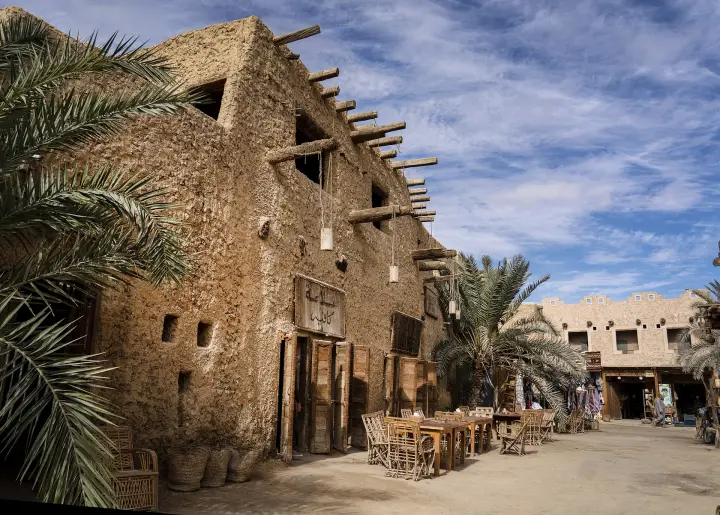
3 days, 2 nights
Siwa Oasis in 3 Days from Cairo (Private Trip)About US$420 to 650 per person for two travellers
Check dates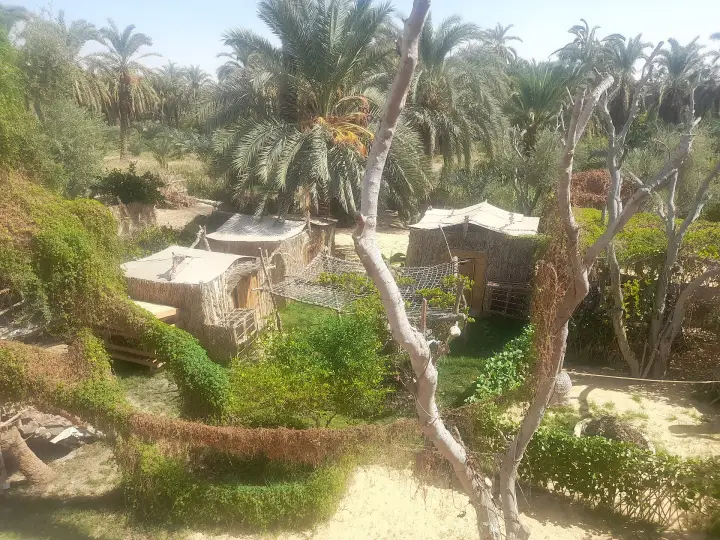
4 days, 3 nights
Siwa in 4 Days: Eco-Lodge and a Night in the Great Sand SeaAbout US$495 to 825 per person for two travellers (the lodge level decides the price)
Check dates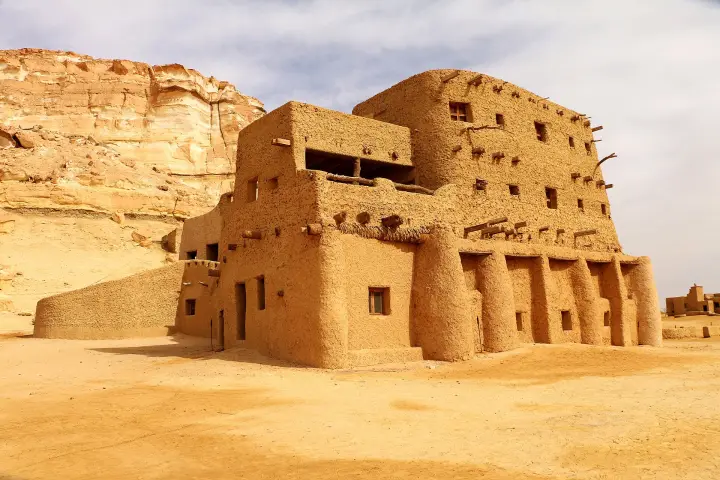
4 to 5 days (3 or 4 nights in Siwa)
Luxury Siwa: Candlelit Eco-Lodge EscapeOn request (depends on the lodge and season)
Check dates