The short answer
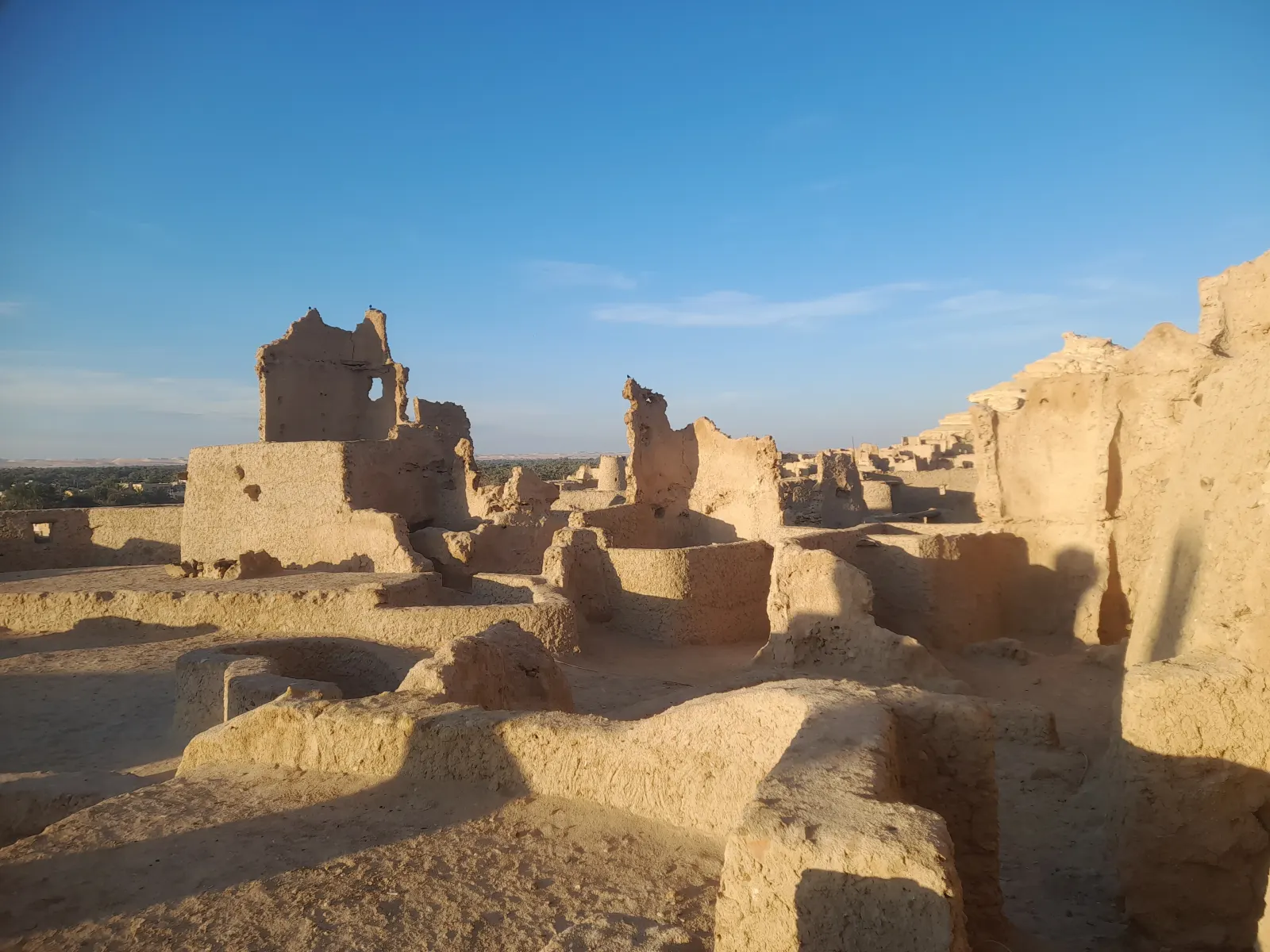
Siwa has been inhabited since prehistory. From the 6th century BC its Oracle of Amun was famous across the Greek world; the Persian king Cambyses is said to have lost an army trying to reach it, and Alexander the Great consulted it in 331 BC. The fortified town of Shali was founded in the 13th century. Siwa remained largely independent until Muhammad Ali brought it under Egypt in 1820.
Ask us on WhatsAppSiwa's history in one table
Short answer: Siwa has been inhabited since prehistory, became famous for the oracle of Amun around 600 BC, was visited by Alexander the Great in 331 BC, lived for centuries as an isolated Berber oasis behind the walls of Shali, joined Egypt in 1820 and opened to tourism after a paved road arrived in the 1980s.
| Period | What happened |
|---|---|
| Prehistory | Hunters and herders camp around the springs; stone tools and rock art survive in the desert |
| 26th Dynasty (664 to 525 BC) | The oasis, known as Sekhet-Amit ("Field of Trees") in Egyptian, builds the Oracle Temple of Amun |
| c. 525 BC | Herodotus's story of Cambyses's Persian army lost in the sand on its way to Siwa |
| 4th century BC | Temple of Umm Ubayda built under Nectanebo II |
| 331 BC | Alexander the Great consults the oracle |
| Ptolemaic and Roman eras | Ammonium flourishes on caravan routes; painted tombs at Gebel al-Mawta |
| 1st century BC | Strabo reports the oracle "almost abandoned" |
| Late antiquity | Christianity and later Islam arrive |
| 13th century (traditionally 1203) | Shali, the fortified town, is founded |
| 1792 | William George Browne, the first European known to record a visit since Roman times |
| 1820 | Muhammad Ali's army brings Siwa under Egyptian rule |
| 1915 to 1917 | The Sanusi order uses Siwa as a base against the British |
| 1926 | Three days of rain melt much of Shali; families move to the plain |
| 1928 | King Fuad I visits; Cairo's grip tightens |
| 1940 to 1942 | WWII: the British Long Range Desert Group and, in 1942, Axis forces hold the oasis |
| 1980s | The asphalt road from Marsa Matruh opens Siwa to the outside world |
| 2018 to 2020 | Shali restored with EU funds; reopened 6 November 2020 |
Most dates above come from the Wikipedia article on Siwa Oasis (checked 17 November 2026), which cites the academic literature; the Shali dates are sourced in the sections below.
Ancient Siwa: the oracle oasis
Short answer: In the first millennium BC the oasis was home to one of the most famous oracles in the ancient world, consulted by Greeks, Libyans and Egyptians alike.
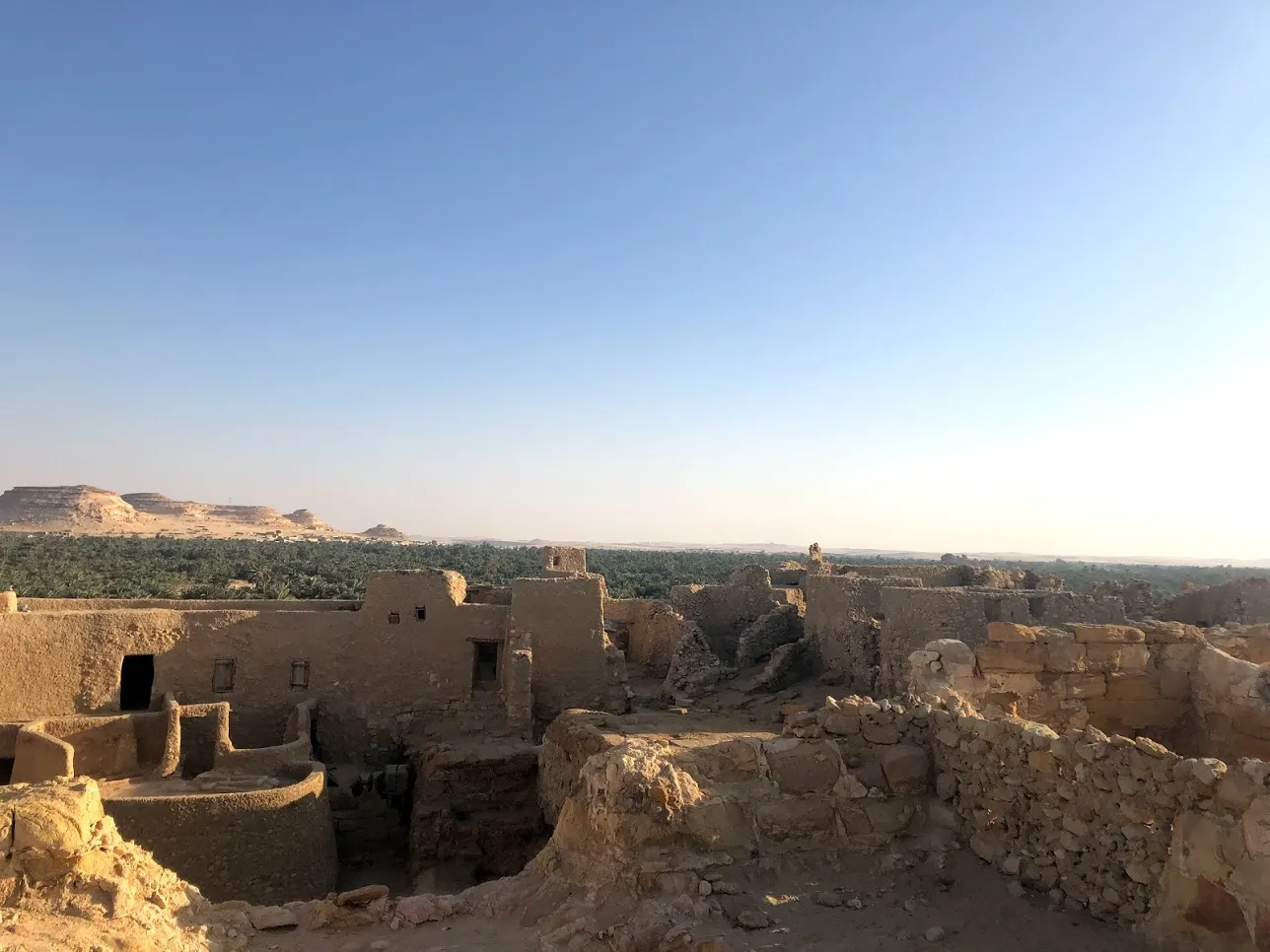
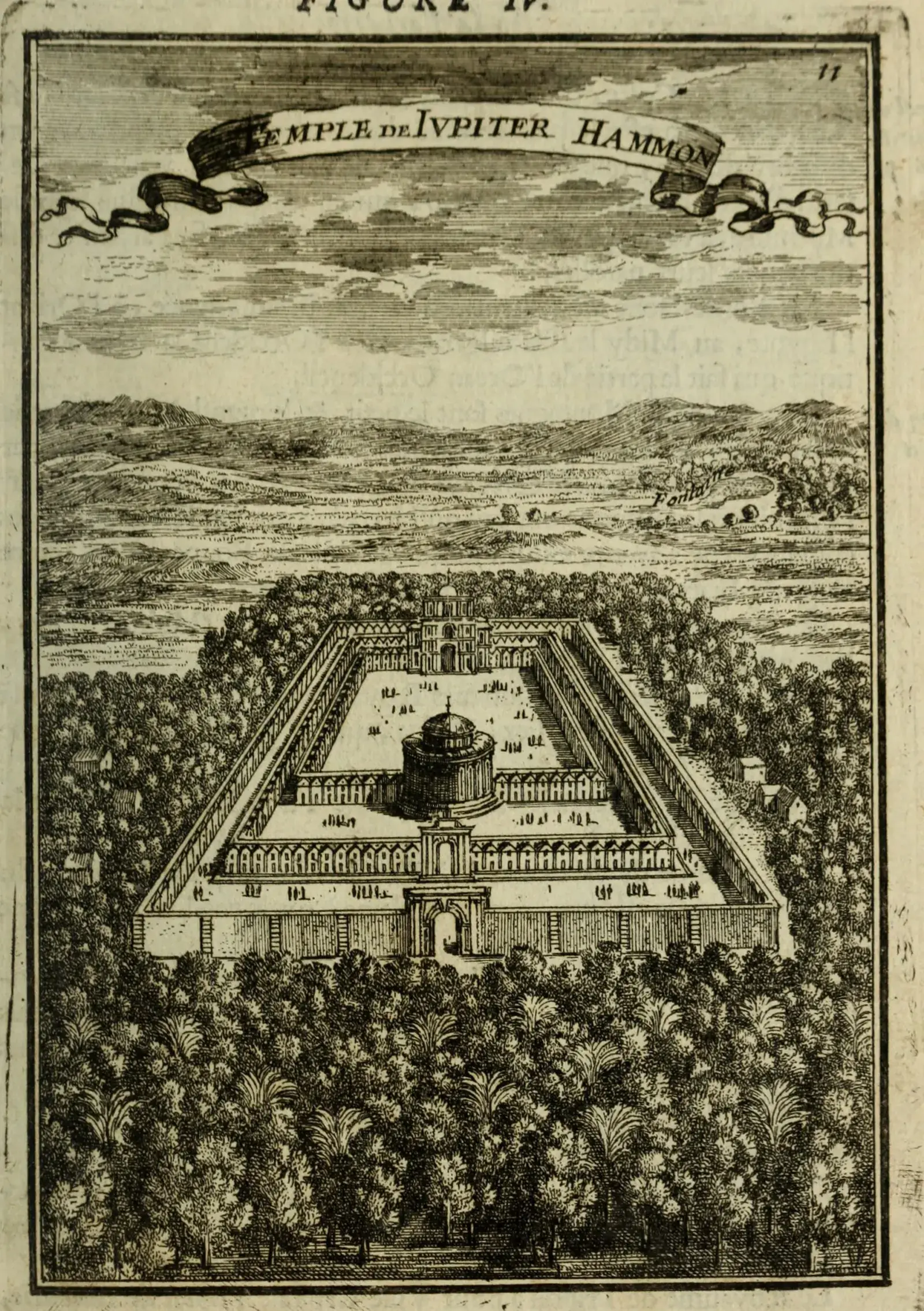
The ancient Egyptians called the oasis Sekhet-Amit, often translated as the "Field of Trees" or "Land of Palms". Under the 26th Dynasty, when Egypt traded heavily with the Greeks, its temple of Amun became famous across the Mediterranean. Greek settlers at Cyrene, on the coast of what is now Libya, were in contact with the oasis by about the 7th century BC. Greeks equated Amun with Zeus and called him Zeus Ammon, and the oasis became Ammonium.
The oracle answered questions by a procession: priests carried the god's sacred boat, and its movements were read as yes or no. Pindar wrote a hymn to Ammon; Greek cities sent envoys. See the Oracle Temple for what survives on the rock of Aghurmi.
The lost army of Cambyses
Herodotus (Histories 3.26) says the Persian king Cambyses II sent 50,000 men to threaten the oracle, and that a sandstorm buried them halfway. No trace has ever been confirmed, and many Egyptologists treat the story as invention. In 2015 Olaf Kaper of Leiden University proposed a less romantic version: the army was beaten by the Egyptian rebel pharaoh Petubastis, and the sandstorm was a cover story spread later under Darius.
Alexander the Great
Short answer: In winter 332 to 331 BC Alexander crossed the desert to consult the oracle. He was greeted as the son of Amun and later wanted to be buried here.
The visit made Siwa legendary. Alexander's journey, his near-loss in the desert, and his private consultation of the god are told by all his ancient biographers. The visit strengthened his claim to rule Egypt as a son of the god. See Alexander the Great in Siwa for the route and the ancient accounts.
Greek and Roman Ammonium
Short answer: Under the Ptolemies and Romans the oasis was rich from dates, olives and trade, and buried its dead in the painted tombs of Gebel al-Mawta. The oracle itself lost its prestige.
Writing around the turn of the millennium, the geographer Strabo blamed Roman habits: Rome trusted the Sibylline books and Etruscan omen-reading, so the oracle at Ammon had been "almost abandoned" (Strabo, Geography 17.1.43, LacusCurtius, University of Chicago).
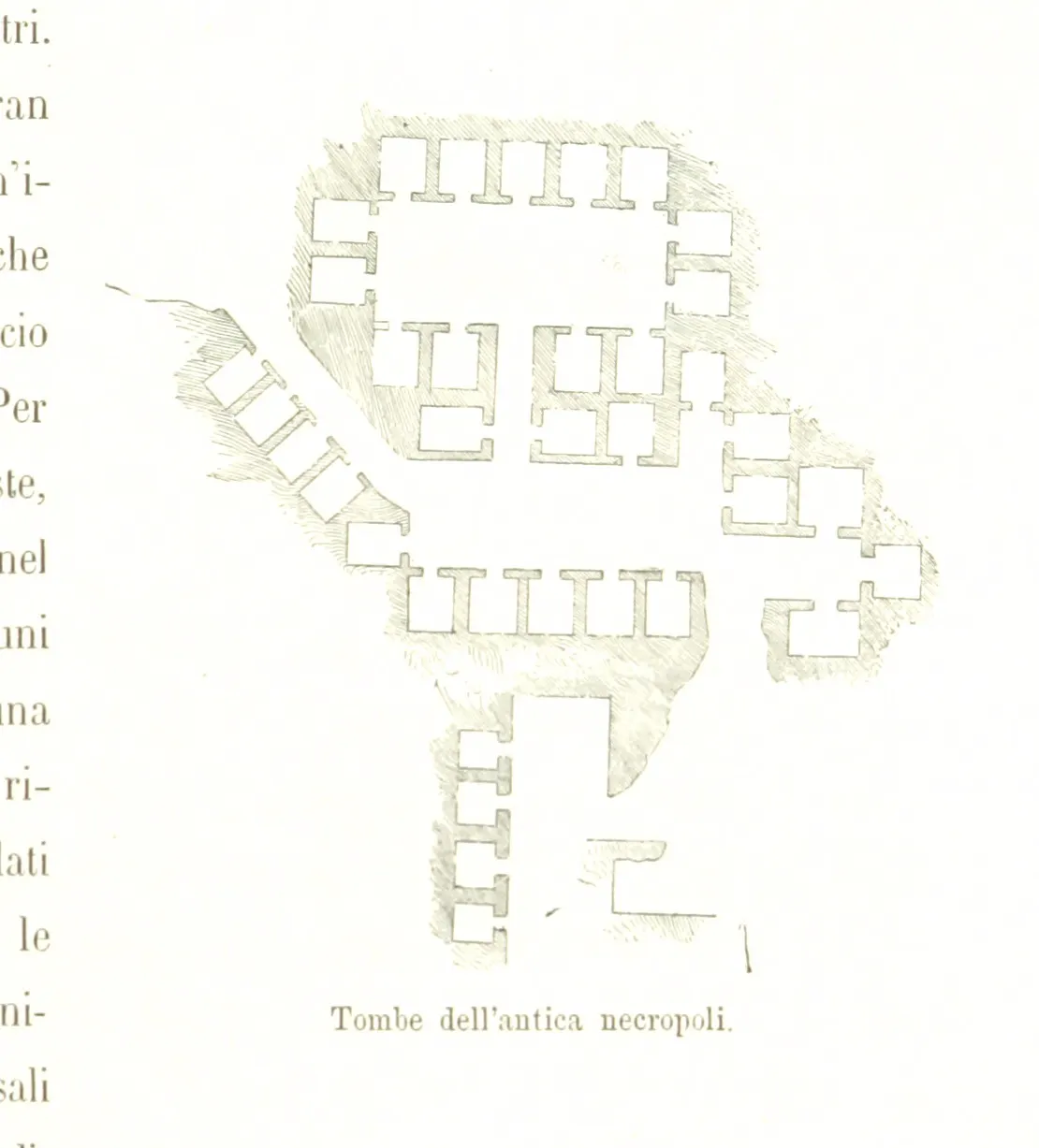
The oasis itself still prospered. Temples and tombs were built across the depression, from Aghurmi to Bilad al-Rum and Maraqi in the west. See Gebel al-Mawta and Umm Ubayda.
The medieval oasis and Shali
Short answer: After antiquity, Siwa became an isolated Berber community, raided by nomads, so in the 13th century its people built the fortress-town of Shali and lived inside it for about 700 years.
Arab geographers knew Siwa as Santariya. In the 12th century al-Idrisi described it as mainly Berber with an Arab minority. Islam reached the oasis gradually, while the population remained Amazigh (Berber) with its own language, Siwi. The community was tightly organised around clans and their elders, and was divided for centuries into two rival factions, the eastern and western groups, whose feuds lasted into the 19th century.
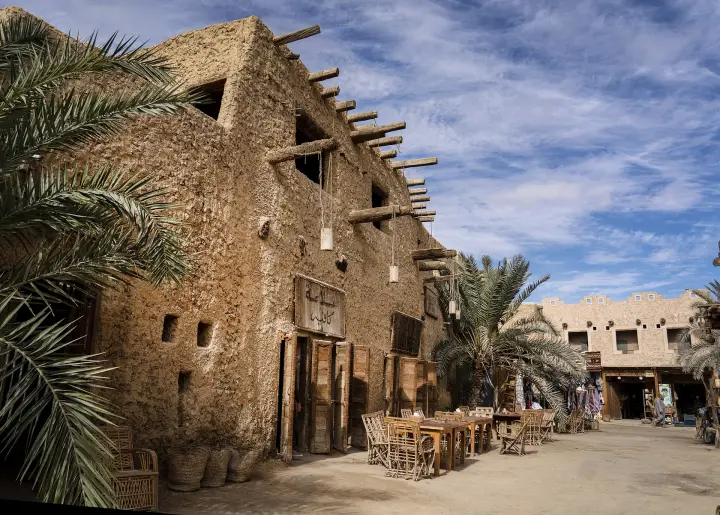
To defend themselves against Bedouin raids, Siwans built Shali on a rock in the centre of the oasis, with houses rising five storeys inside its walls, built of kershef. Local tradition gives 1203 as the founding year; press reports describe it simply as 13th century, built "to protect the inhabitants of this remote strategic location" (Al-Monitor, November 2018).
Siwa becomes Egyptian
Short answer: In 1820 Muhammad Ali's forces conquered Siwa, ending its independence. Resistance continued for decades, and Cairo's control stayed thin until the late 1920s.
Muhammad Ali, ruler of Egypt, sent an expedition that brought Siwa under Cairo's control and imposed taxes on dates and olives. Siwans rebelled several times during the 19th century; in 1838 the Egyptian representative in the oasis was assassinated. The Sanusi religious order, based across the desert in Libya, also had great influence. Firmer rule followed King Fuad I's visit in 1928 (Wikipedia, checked 17 November 2026).
Explorers and the World Wars
Short answer: European explorers came from 1792; in both World Wars Siwa was a strategic outpost on the Libyan frontier.
In 1792 the English traveller William George Browne became the first European known to document a visit since Roman times. Frederic Cailliaud and Gerhard Rohlfs followed and tried to identify the oracle. From 1915 to 1917 the Sanusi used Siwa as a base in their war against the British. In World War II it changed hands more than once: the Long Range Desert Group operated from here, Italian forces occupied it in 1942, and Siwans sheltered from bombs in the tombs of Gebel al-Mawta. The group's area of operations spanned the Great Sand Sea between Siwa and Jalo oasis in Libya (Wikipedia).
1926 and the restoration of Shali
Short answer: Rain, not war, emptied Shali. After three days of heavy rain in 1926 most families left; the ruins were stabilised from 2018 and reopened in November 2020.
Shali's walls were salt, rock and clay, which set hard in a dry climate and dissolve in water. The three days of rain in 1926 badly damaged the town, most residents moved out, and Shali became known as the "City of Ghosts" (Al-Monitor).
| Restoration fact | Detail | Source |
|---|---|---|
| Funder | European Union, about €600,000 | Egyptian Streets, 6 Nov 2020 |
| Implementer | Environmental Quality International (EQI-SME), which also co-financed | EU Delegation to Egypt |
| Works | Structures and spaces conserved, traditional markets (khoss) rebuilt, an Earth Architecture Museum, a maternal and child health centre, training for residents in traditional building | EU Delegation to Egypt |
| Reopened | 6 November 2020 | Egyptian Streets |
Modern Siwa
Short answer: The paved road of the 1980s, electricity, schools and tourism transformed Siwa, but its language, customs and crafts survive.
Until the 1980s, Siwa was reached by camel caravan or difficult desert tracks. The asphalt road from Marsa Matruh brought buses, trade and visitors. Marsa Matruh is about 300 km north of Siwa: about 4 hours by road. About 36,500 people live in Siwa district, the oasis and its villages (official CAPMAS estimate for mid-2023; the 2017 census counted 28,088). Most are Siwans, farming dates and olives and increasingly working in tourism. Concrete houses have replaced many mud homes, but eco-lodges have revived traditional building, and the Siyaha festival still gathers the community each autumn (see Siwa events and holidays). See Siwi people and culture.
See it for yourself
Our Siwa in 3 days covers the Oracle, Shali and Gebel al-Mawta; if you are already in Siwa, the Siwa oasis day tour does the same in one day. Ask us for current entry fees at the sites.
Questions people ask
How old is Siwa?+
People have lived around its springs for thousands of years. Egyptian links are firm by the 26th Dynasty (664 to 525 BC), when a necropolis was established, and the oracle was famous in the Greek world by the 6th century BC.
Is Alexander the Great buried in Siwa?+
There is no accepted evidence. In 1995 the Greek archaeologist Liana Souvaltzi announced she had found his tomb near Siwa, but Greece's own culture ministry doubted it at the time and it has never been confirmed. His tomb is generally thought to have been in Alexandria.
What was Siwa called in ancient times?+
The Egyptians called it Sekhet-Amit, the Field of Trees; the Greeks and Romans called it Ammonium after its god Amun. Medieval Arab geographers wrote Santariya.
When did Siwa become part of Egypt?+
In 1820, when Muhammad Ali's army brought the oasis under Egyptian rule. Control stayed loose for about a century: an Egyptian representative was killed in 1838, and firmer rule came only after King Fuad I visited in 1928.
Did Cambyses' army really vanish in the desert?+
The story comes from Herodotus, and many Egyptologists regard it as apocryphal. In 2015 Olaf Kaper of Leiden University argued the army was defeated by an Egyptian rebel, and the sandstorm tale came later.
Why was Shali abandoned?+
Three days of heavy rain in 1926 badly damaged its salt-and-mud houses, and most families moved to new homes on the plain below. The ruins were restored with EU funding and reopened in November 2020.
Go with us
Trips that include this
3 days, 2 nights
Siwa Oasis in 3 Days from Cairo (Private Trip)About US$420 to 650 per person for two travellers
Check dates
4 days, 3 nights
Siwa in 4 Days: Eco-Lodge and a Night in the Great Sand SeaAbout US$495 to 825 per person for two travellers (the lodge level decides the price)
Check dates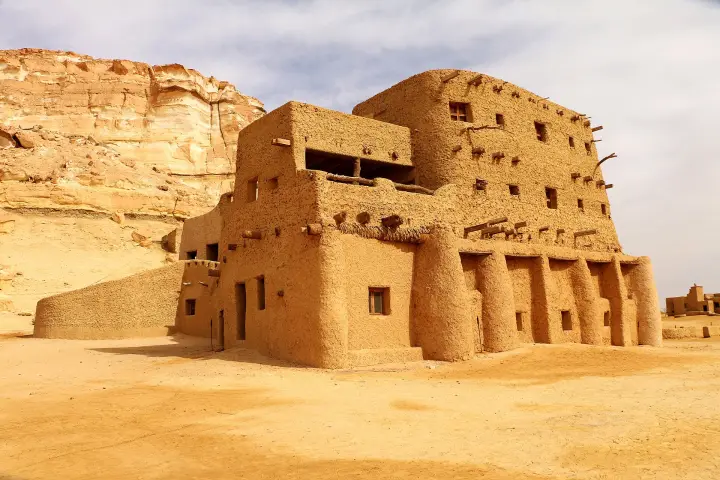
4 to 5 days (3 or 4 nights in Siwa)
Luxury Siwa: Candlelit Eco-Lodge EscapeOn request (depends on the lodge and season)
Check dates