11 guides
History and culture
The geology, the people and the stories behind the landscape.
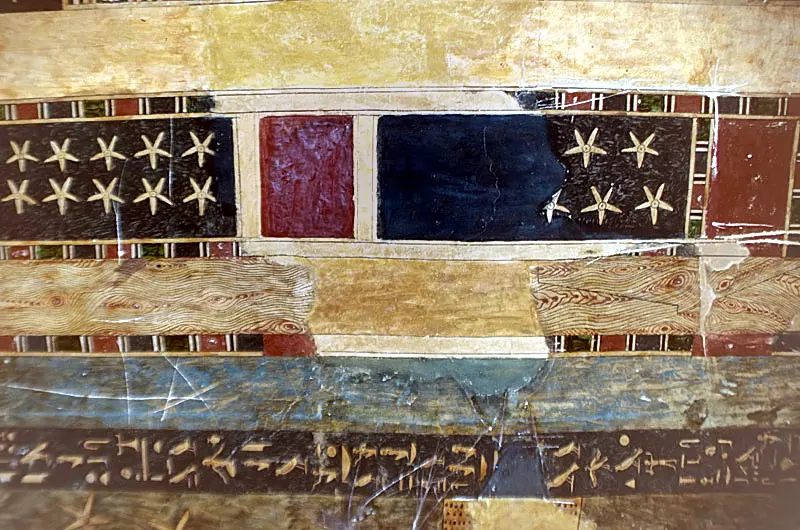
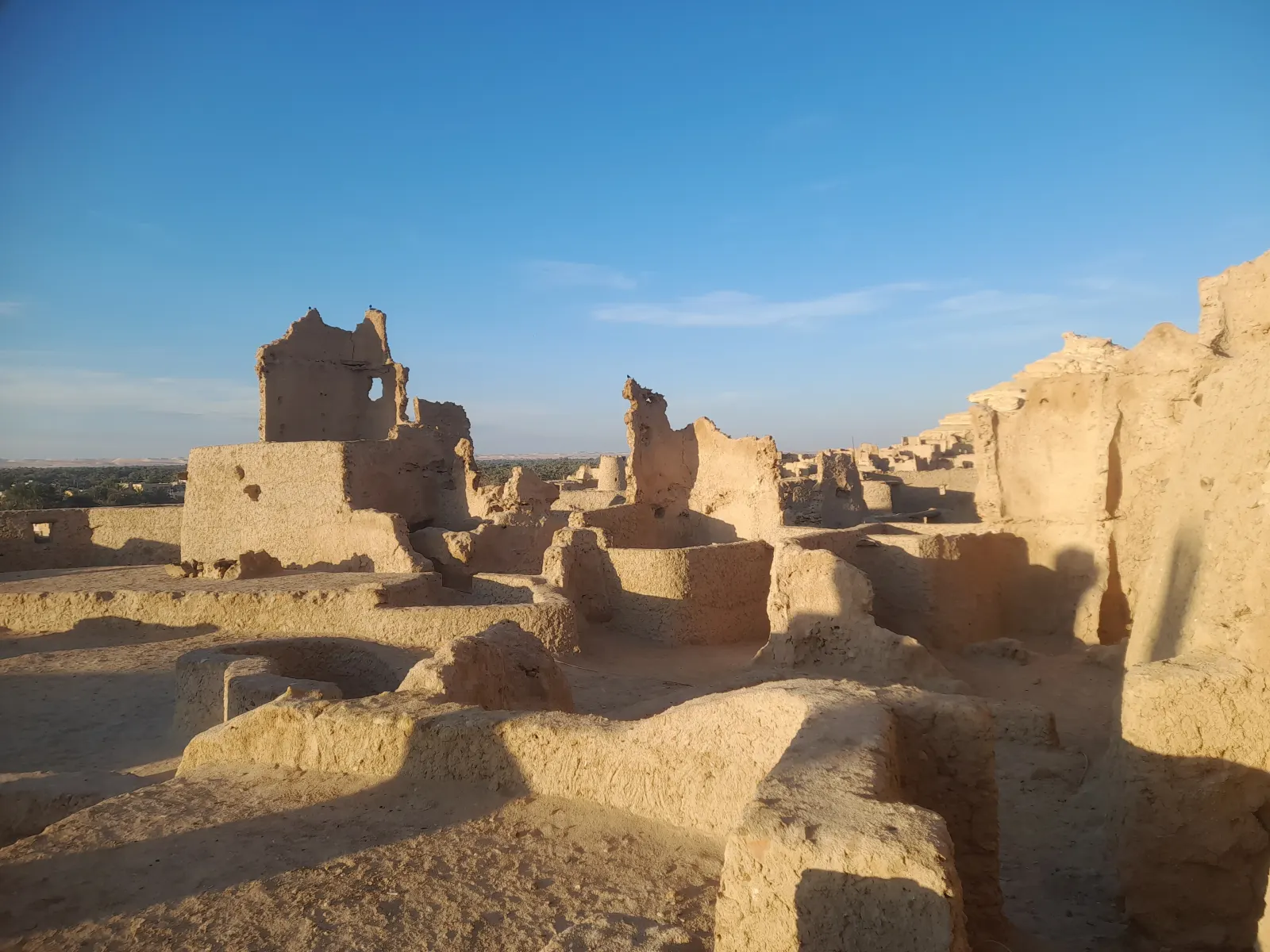
Siwa's story runs from the Oracle of Amun, which Alexander the Great consulted in 331 BC, to Shali, the salt-and-mud town its people built in the 13th century and left after the 1926 rains. Siwans are Egypt's only Amazigh community, with their own spoken language, Siwi. One full day covers the main heritage sites, all within about 3 km of the market square.
Where to start
Short answer: Read the history overview first, then the guide that matches what you want to see: ruins, the people, the buildings or the crafts.
Siwa's past is unusually easy to visit. The ancient temples, the rock tombs and the medieval town sit close together around the market square, and the living culture is visible in the market, the houses and the October festival. Siwa lies in a depression that reaches about 20 m (65 ft) below sea level, about 50 km east of the Libyan border, and that isolation is why so much of its language and custom survives.
Which guide answers your question
| Your question | Short answer | Read |
|---|---|---|
| What happened here, in order? | Oracle fame from about 600 BC, Alexander in 331 BC, Shali from the 13th century, Egyptian rule from 1820, the road in the 1980s | History of Siwa |
| Why did Alexander come, and what did he hear? | He crossed the desert from the coast to consult Amun and was greeted as the god's son | Alexander the Great in Siwa |
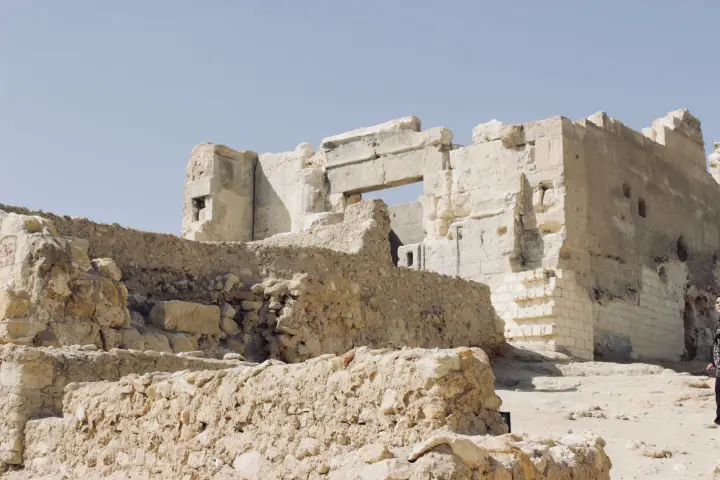
| What is left of the oracle? | Fragmentary walls on the rock of Aghurmi, 2.5 km by road from the market square | Oracle Temple of Amun |
| What is Shali, and can I climb it? | The old fortified town, restored and reopened in 2020; the top is open to wander | Shali Fortress |
| Why do the old buildings look melted? | They are kershef, salty mud that sets hard but dissolves in rain | Kershef architecture |
| Are there painted tombs? | Yes, Ptolemaic and Roman rock tombs about 1 km north of the square, best is Si-Amun | Gebel al-Mawta |
| Who are the Siwans? | Egypt's only Amazigh community, with clans, Sufi brotherhoods and their own language | Siwi people and culture |
| What should I wear and photograph? | Cover shoulders and knees in town; never photograph Siwan women | Siwa etiquette |
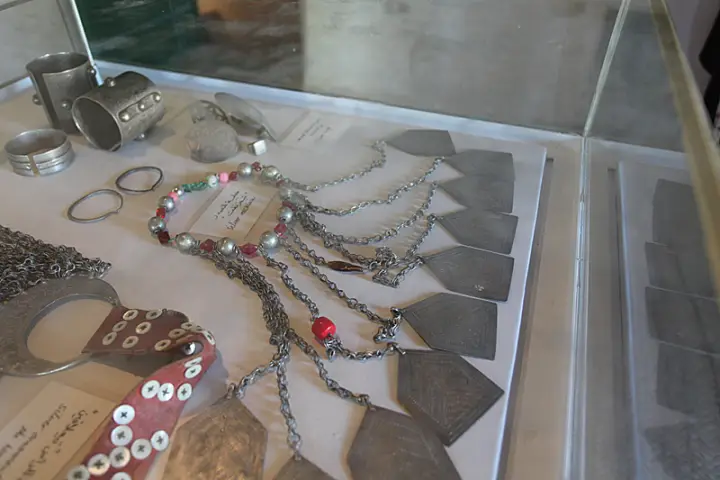
| What can I buy that is made here? | Embroidery, heavy silver, palm-leaf baskets and carved salt | Siwan crafts |
| Where can I see a traditional home? | The one-house museum about 260 m on foot from the market square | Siwan House Museum |
A heritage day in the oasis
Most of the sites in the table can be joined into one day without rushing. The timings below are the visit lengths given in each guide; add travel by bike, tuk-tuk or car between them.
| Stop | Where | Allow |
|---|---|---|
| Gebel al-Mawta | About 1 km north of the market square | 45 minutes |
| Siwan House Museum | About 260 m on foot from the square | 20 to 40 minutes |
| Oracle Temple of Amun | Aghurmi, 2.5 km by road | 45 minutes to an hour |
| Temple of Umm Ubayda | About 400 m south of the Oracle Temple | 15 to 20 minutes |
| Shali | Town centre | Late afternoon into sunset |
Ticketed sites charge separate entry fees that change; ask us for current prices before you go. The museum keeps short hours, so confirm them the day before. On a trip with us, the Siwa in 3 days itinerary already includes the Oracle, Shali and Gebel al-Mawta.
How much of the old Siwa survives
More than its ruined look suggests. Shali was badly damaged by "three days of heavy rains in 1926", according to Wikipedia's Siwa Oasis article (checked 19 November 2026), and families moved to new houses on the plain. The EU Delegation to Egypt (checked 19 November 2026) records that the restored fortress was inaugurated on 6 November 2020, with rebuilt traditional markets, an Earth Architecture Museum and training for residents in traditional building.
The Umm Ubayda temple fared worse: it was blown up for stone in 1897 and one carved wall survives. Concrete has replaced many mud homes, but several eco-lodges now build in kershef again.
Meeting the living culture
The language is the clearest sign that Siwa stayed apart. Siwi is primarily oral, its speakers usually write in Arabic, and UNESCO's atlas classes it as definitely endangered (Wikipedia: Siwi language, checked 19 November 2026). The same article estimates 15,000 to 20,000 speakers in Siwa and the small oasis of Qara. About 36,500 people (2023 official estimate) live in Siwa district as a whole.
- Festival: Siyaha, also called Eid El Solh, honours Sidi Sulayman, the patron saint. See Gebel Dakrour and the dated 2027 events calendar.
- Alcohol: none is sold in town; read is Siwa dry before packing.
- Guides: a Siwan guide knows where the Thursday evening dhikr is held and can ask first whether you may watch from the edge.
 Start here · 7 min readHistory of Siwa Oasis: From the Oracle of Amun to TodayRead the guide
 Popular · 8 min readAlexander the Great in Siwa: The Journey to the OracleRead the guide
 Popular · 7 min readSiwan Crafts: Embroidery, Silver and Palm WeavingRead the guide
More guides
9 min read
Is Alexander the Great's Tomb in Siwa? The Evidence
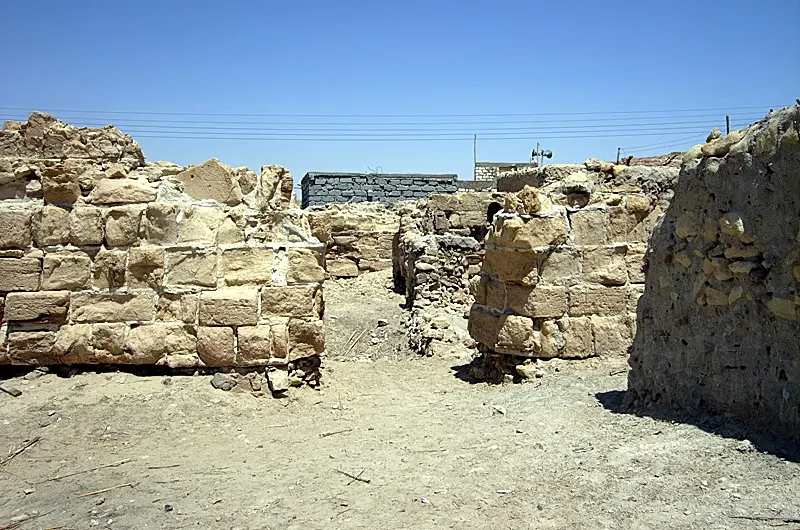
No accepted evidence puts Alexander the Great's tomb in Siwa. Ancient writers say Ptolemy buried him at Memphis and later moved him to Alexandria. In 1995 the Greek archaeologist Liana Souvaltzi announced she had found his tomb at Maraqi, in west Siwa; a Greek Ministry of Culture team doubted the building was a tomb, and Egypt revoked her permit in 1997.
11 min read
Kershef: Siwa's Salt-and-Mud Architecture
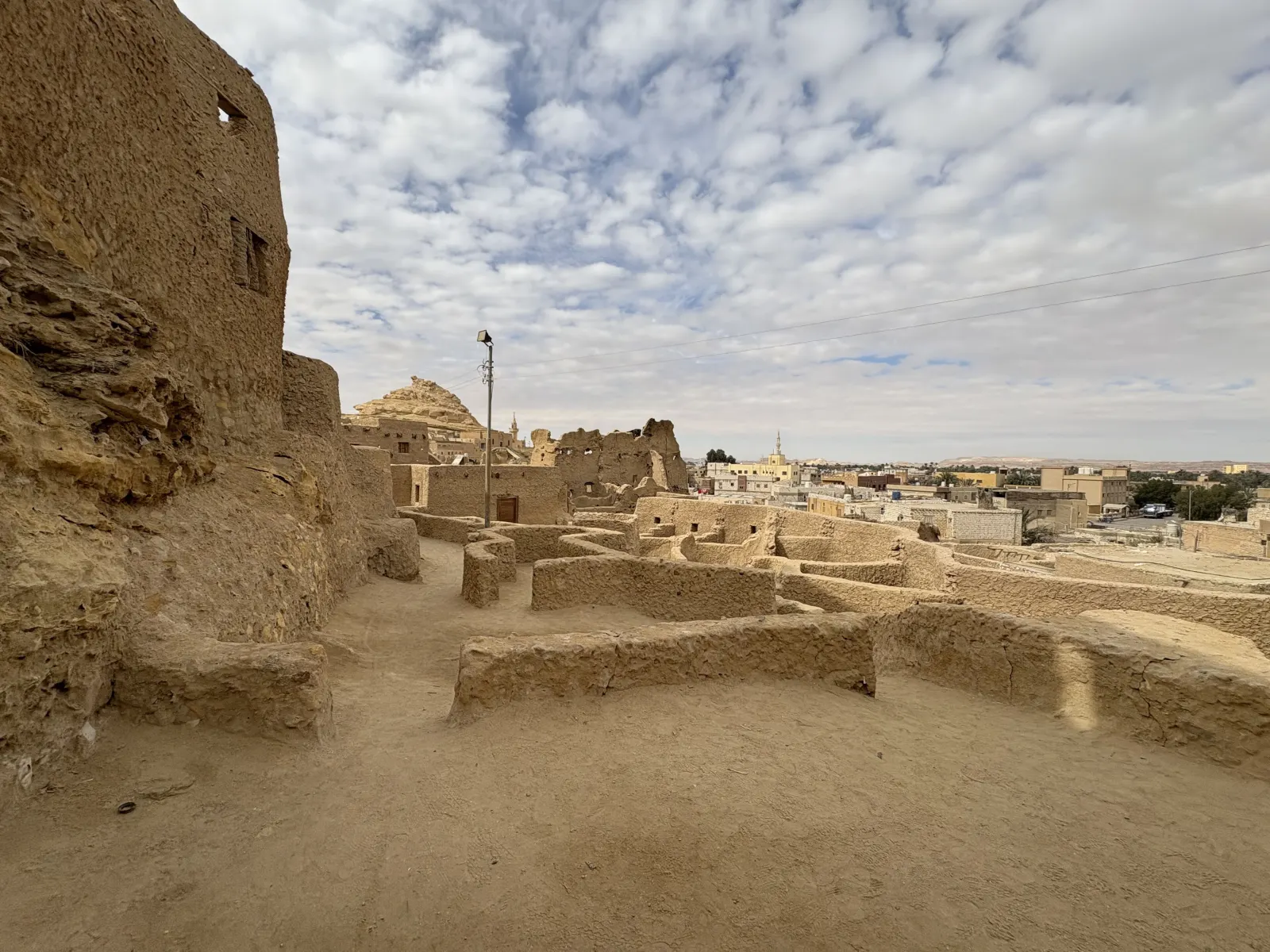
Kershef is Siwa's traditional building material: chunks of salt-rich mud from the lake edges, laid with mud mortar and dried hard by the sun, with palm trunks for beams and palm fronds for ceilings. It keeps houses cool by day and warm at night. Its weakness is water: rare heavy rain in 1926 dissolved much of Shali. Today restorers and eco-lodges are reviving the technique.
12 min read
Siwa Etiquette and Dress Code: What Visitors Should Know
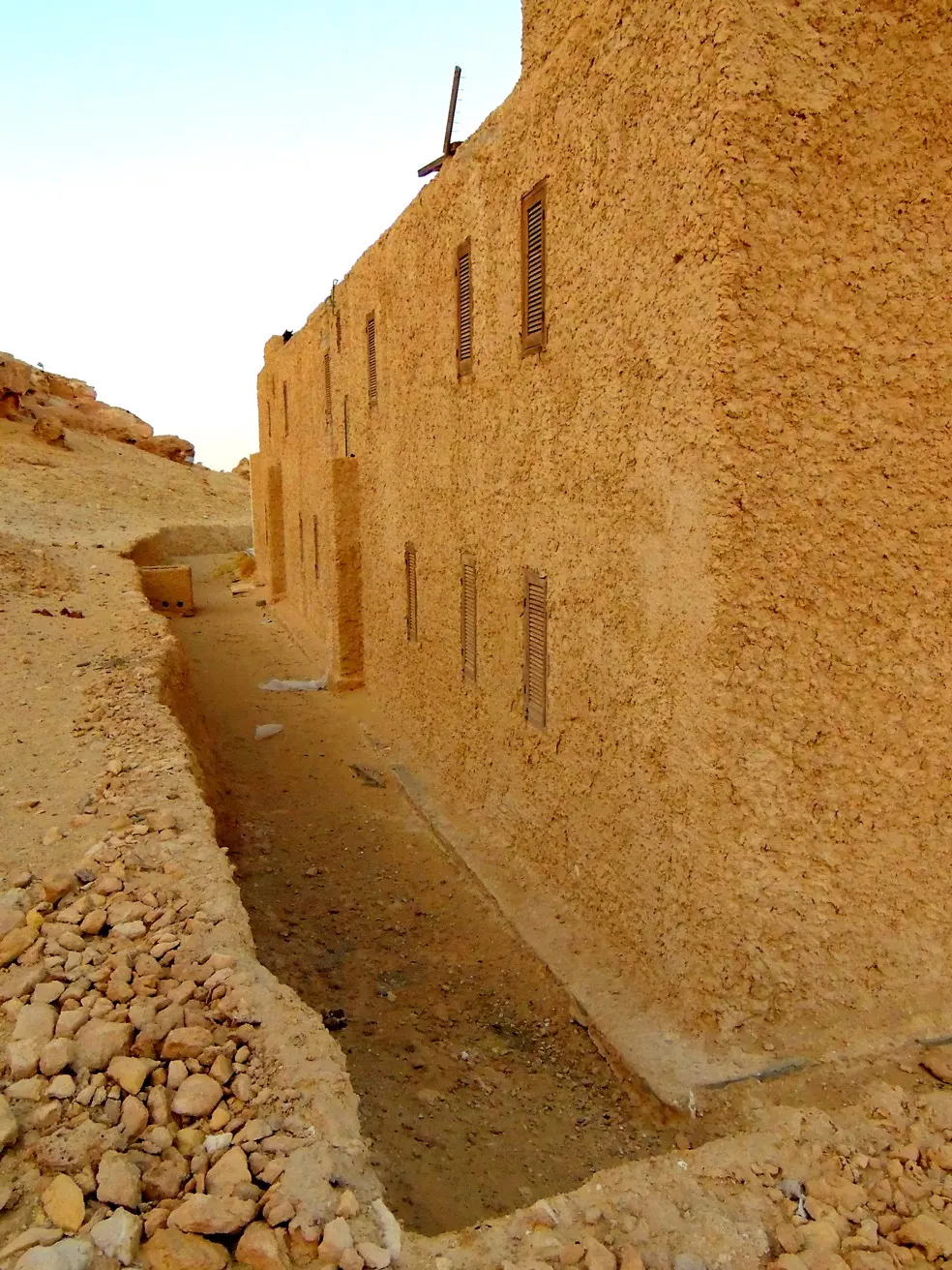
About 36,500 people live in Siwa district, and it is a small, conservative Muslim community. Cover shoulders and knees in town, swim in public springs with a T-shirt and shorts over your swimsuit, never photograph Siwan women or children, keep affection private and drink alcohol only at your lodge. Accept tea when offered. Lodges and the desert are more relaxed.
8 min read
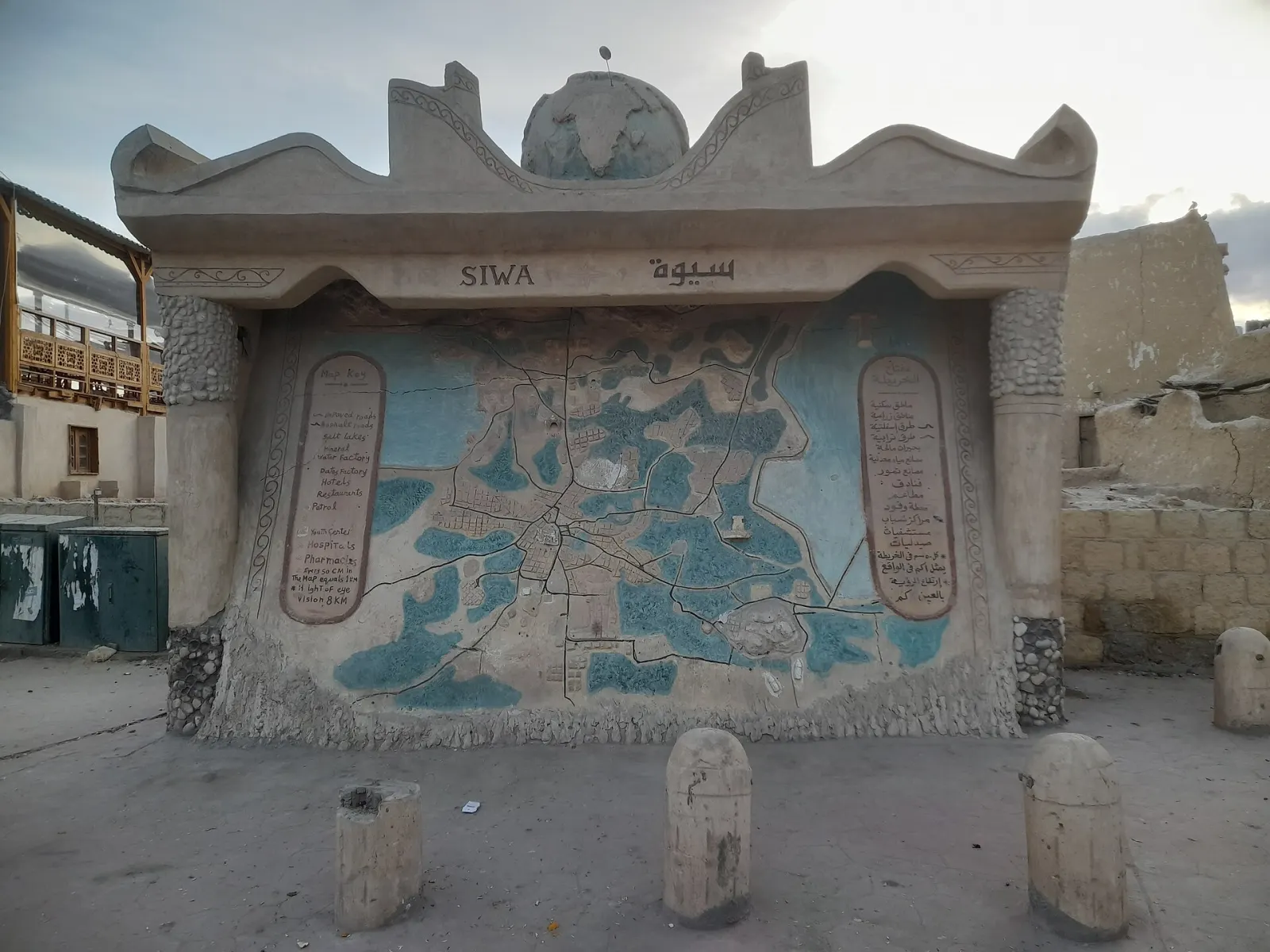
Siwa in the Second World War: LRDG to El Alamein
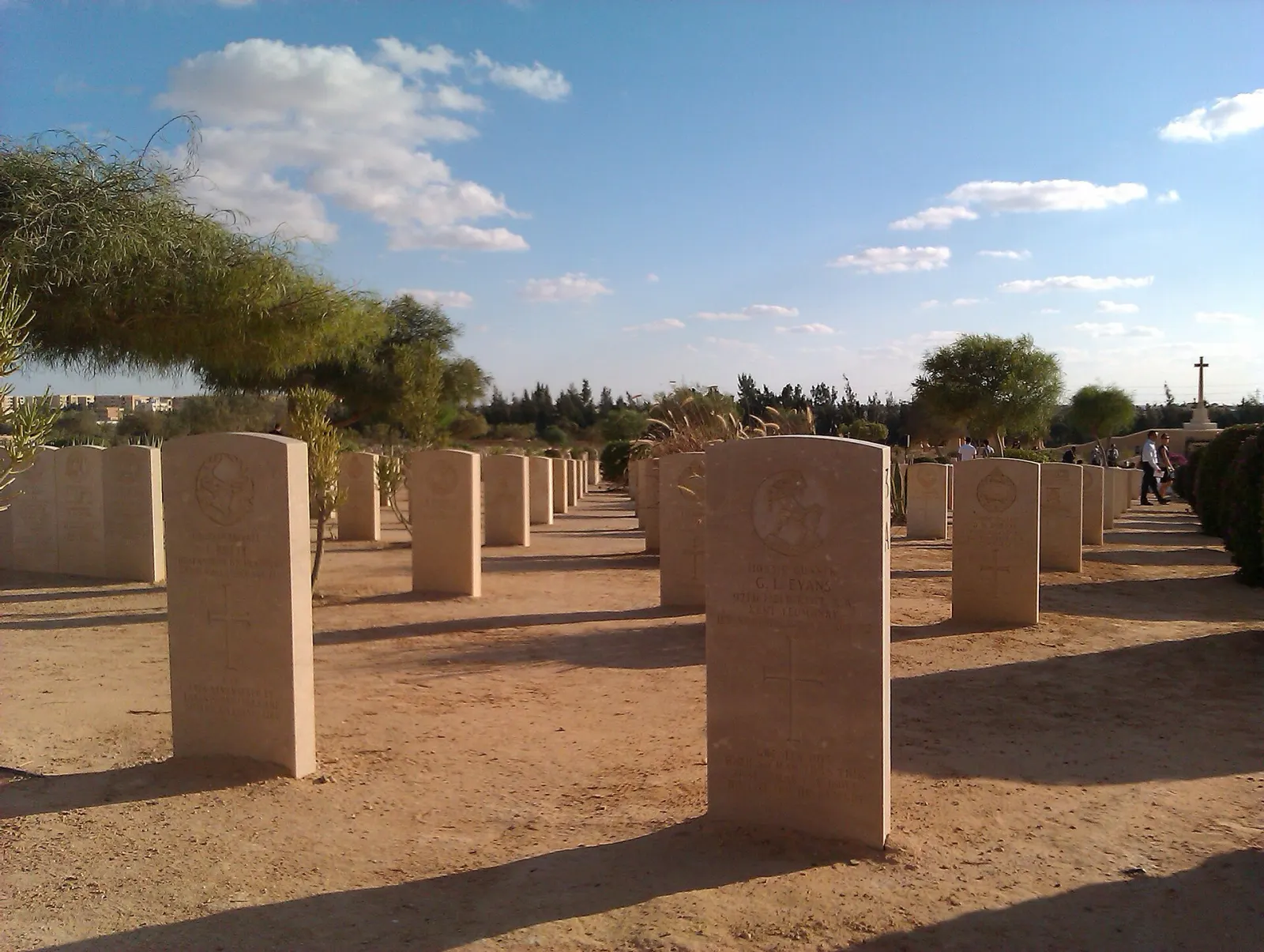
From September 1940 Siwa was a British frontier outpost facing Italian Libya, held by riflemen and Australian cavalry, and from November 1941 it was headquarters of the Long Range Desert Group. The LRDG left on 28 June 1942 after Tobruk fell. Italy's Giovani Fascisti occupied the oasis from 22 July until 6 November 1942, leaving after the Axis defeat at El Alamein.
8 min read
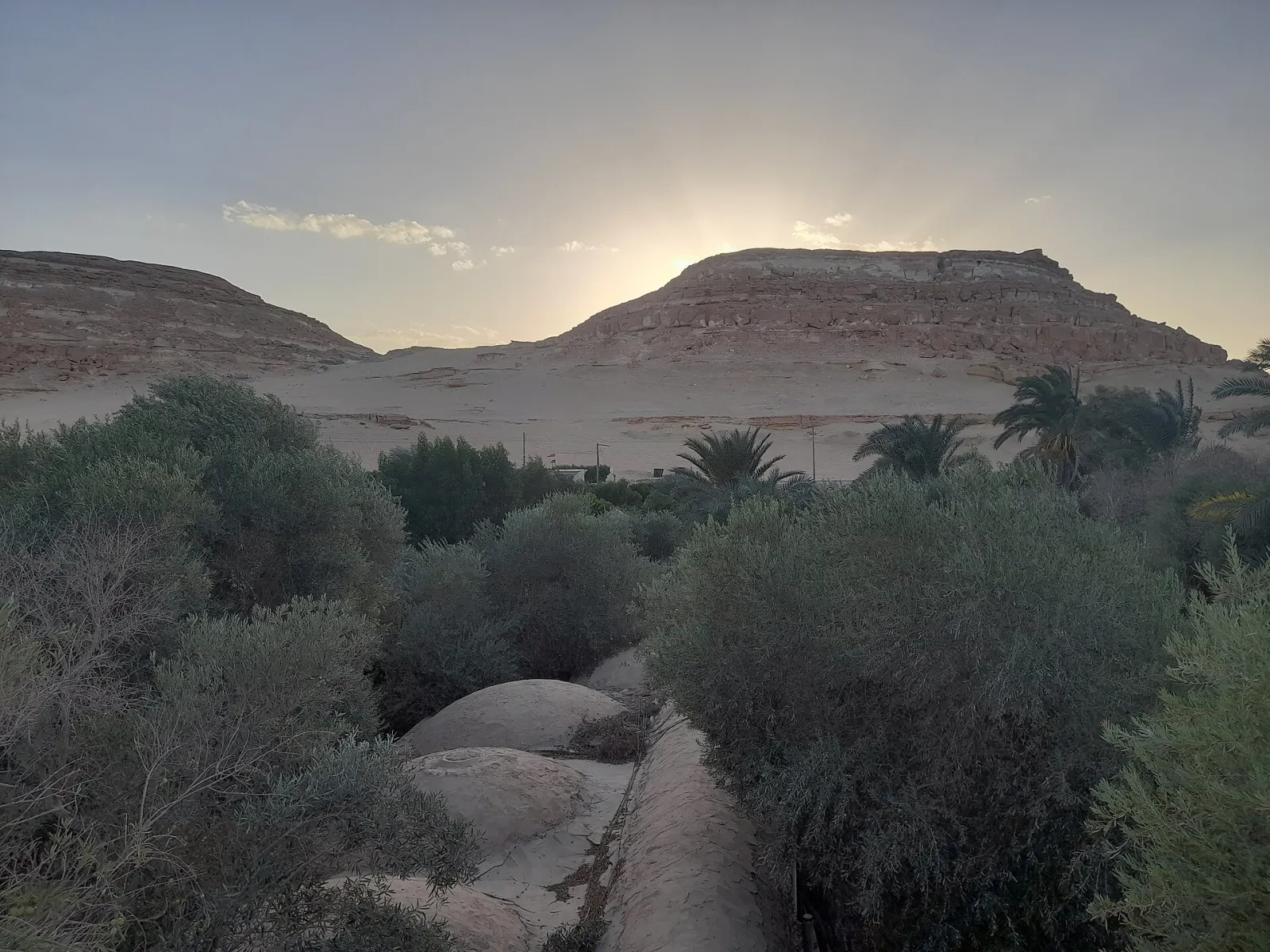
Siwi: The Amazigh Language of Siwa Oasis
Siwi is the Berber (Amazigh) language of Siwa and the small oasis of Gara, the easternmost Berber language and the only one native to Egypt. Estimates range from 15,000 to 21,000 speakers. Siwans use it at home and in the market, and almost all also speak Egyptian Arabic. It is mostly unwritten, and UNESCO lists it as definitely endangered.
9 min read
Siyaha Festival in Siwa: Dates, Meaning, Etiquette
Siyaha, also called Eid el-Solh, is Siwa's own festival of reconciliation: three days around the October full moon when Siwan men gather on Gebel Dakrour to pray, chant and share a meal of fattah, then march back into town. In 2027 the full moon falls on 15 October, but Siwa fixes the days locally, so treat mid-October as provisional and visit only as a respectful onlooker.
8 min read
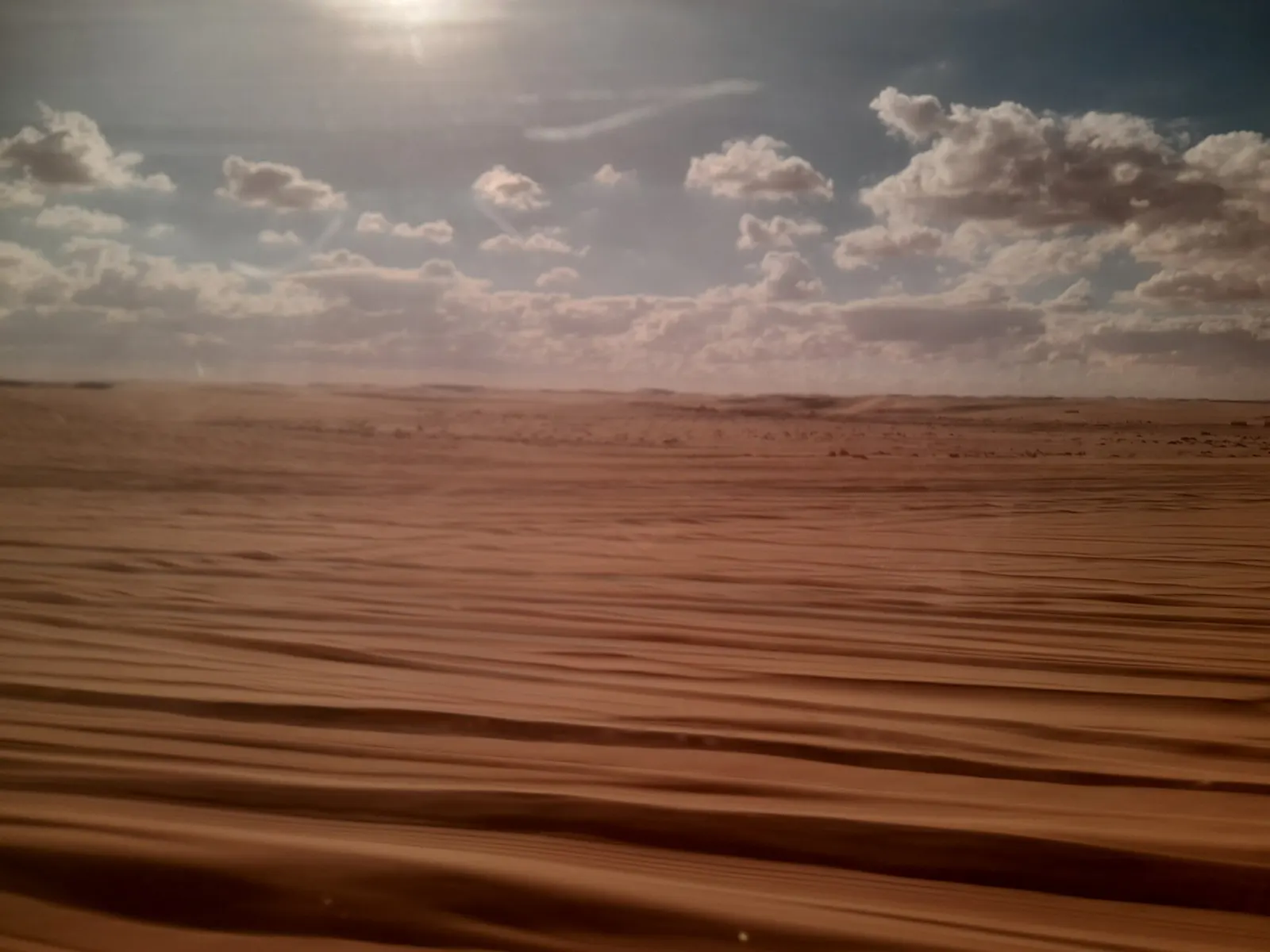
The Lost Army of Cambyses: Legend and Evidence
Herodotus wrote that around 524 BC the Persian king Cambyses II sent 50,000 men from Thebes to destroy Siwa's Oracle of Amun, and that a sandstorm buried them in the desert. No remains have been confirmed. In 2014 Olaf Kaper of Leiden University argued the army was really sent against an Egyptian rebel king based in Dakhla Oasis, and was defeated.
9 min read
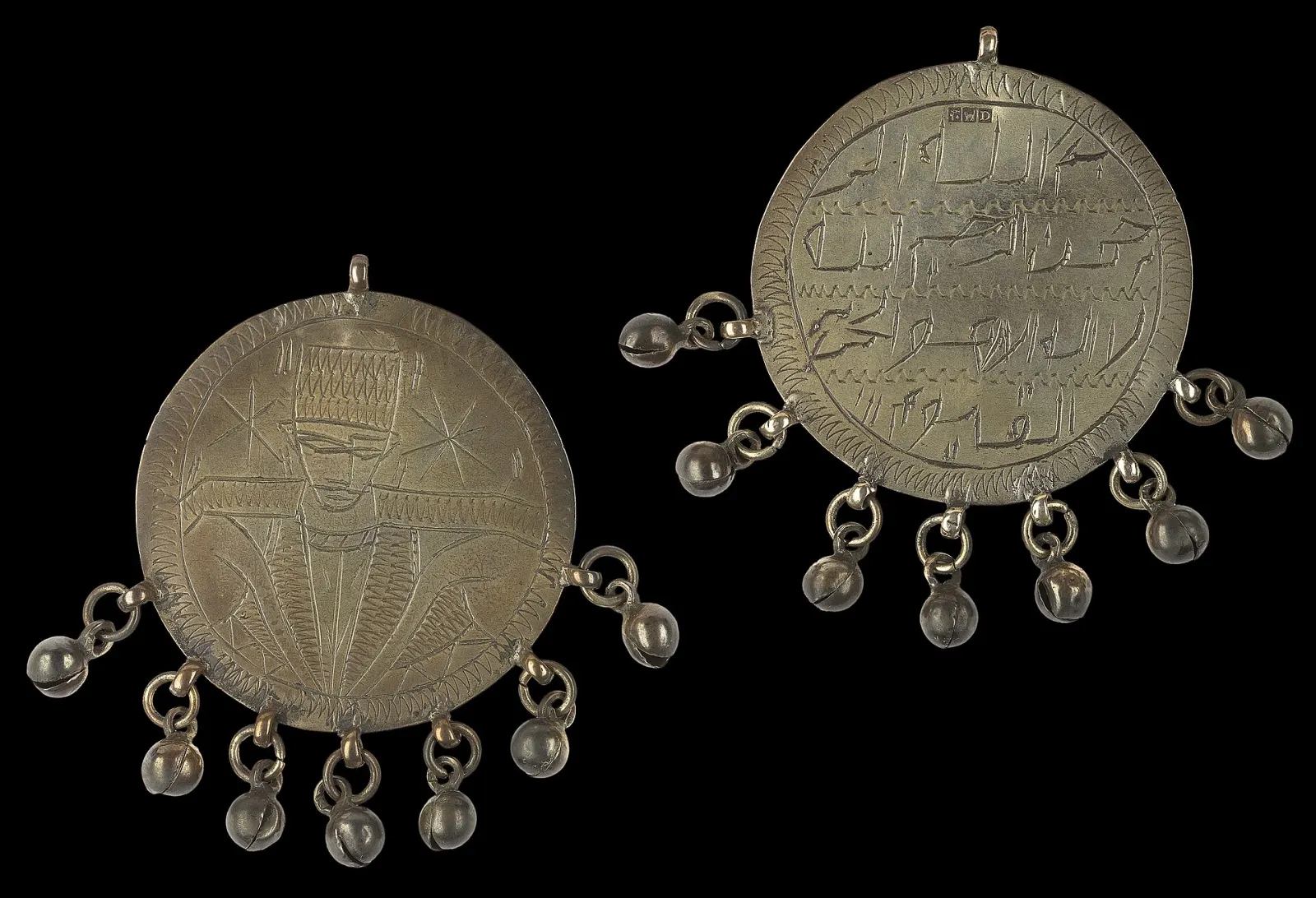
The Siwi People: Language, Culture and Traditions
Siwans are Egypt's only Amazigh (Berber) community. They speak Siwi at home and Egyptian Arabic with outsiders, and organise life around families, clans and Sufi brotherhoods. Look for embroidered dress, old bridal silver, date and olive farming, kershef houses and the Siyaha reconciliation festival at Gebel Dakrour around the October full moon. Never photograph Siwan women.
Questions people ask
What is Siwa famous for historically?+
Its Oracle of Amun, famous across the Greek world from the 6th century BC and consulted by Alexander the Great in 331 BC. The oasis was called Ammonium by Greek and Roman writers. Later it was known for Shali, the fortified mud town built in the 13th century.
How long do I need to see Siwa's historic sites?+
One full day. The Oracle Temple takes 45 minutes to an hour, Gebel al-Mawta about 45 minutes, Umm Ubayda 15 to 20 minutes and the Siwan House museum 20 to 40 minutes, with Shali at sunset. All are within about 3 km of the market square.
Who are the Siwans?+
An Amazigh (Berber) people, Egypt's only one. They speak Siwi at home and Egyptian Arabic with outsiders, are Sunni Muslims with strong Sufi traditions, and still settle disputes through clan elders.
Is Siwi a written language?+
Not traditionally. It is mainly spoken, Siwans usually write in Arabic, and UNESCO's atlas of endangered languages classes Siwi as definitely endangered.
Can visitors watch the Siyaha festival?+
Yes, respectfully. Siyaha honours the patron saint Sidi Sulayman and is held over three days around the October full moon at Gebel Dakrour. Siwa sets the dates locally each year, so treat any date as provisional and book rooms early.
Is it fine to photograph people in Siwa?+
Ask first, and never photograph Siwan women or children. Dress with shoulders and knees covered in town.
Can I buy antique Siwan silver?+
Be careful. Egyptian law bans selling or exporting antiquities over 100 years old, so treat any piece sold as "antique" with suspicion and buy new work from known shops.