The short answer
About 36,500 people live in Siwa district, and it is a small, conservative Muslim community. Cover shoulders and knees in town, swim in public springs with a T-shirt and shorts over your swimsuit, never photograph Siwan women or children, keep affection private and drink alcohol only at your lodge. Accept tea when offered. Lodges and the desert are more relaxed.
Ask us on WhatsAppEtiquette at a glance
Short answer: About 36,500 people live in Siwa district (official CAPMAS estimate for mid-2023), and most families have known each other for generations. Dress modestly, never photograph women or children, keep affection private, drink alcohol only at your lodge and accept tea when it is offered.
Siwa is small enough that people notice how visitors behave, and generous enough that a little effort is repaid many times over. None of the rules below is complicated. Most come down to modest clothes, care with cameras and patience.
| Do | Don't |
|---|---|
| Cover shoulders and knees in town | Wear shorts, vests or crop tops in the market |
| Ask adult men before a portrait, and accept a no | Photograph Siwan women, even from a distance |
| Greet people and accept at least one glass of tea | Photograph children, or refuse hospitality abruptly |
| Swim in public springs in a T-shirt and shorts or leggings | Sunbathe in a bikini at a public spring |
| Eat, pass food and hand over money with your right hand | Drink alcohol in public or walk around with a bottle |
| Keep your voice down near mosques and at prayer times | Kiss or embrace in public |
| Bargain gently and with a smile | Haggle hard over a few pounds |
| Take off your shoes when you enter a home | Walk in front of someone who is praying |
These points follow the UK Foreign Office's Egypt laws and cultural differences advice (checked 19 November 2026) and how Siwa itself lives. The advice asks visitors to dress modestly, above all in rural areas, mosques and markets, and Siwa is all three.
What applies where
Short answer: The rules are strictest in the town centre and at public springs, and loosest inside your lodge or camp.
How much you need to adjust depends on where you are standing. Distances below are by road from the market square, taken from our getting around and Siwi people and culture guides.
| Place | From the market square | Who you will meet | What to adjust |
|---|---|---|---|
| Market square and shops | 0 m | Shopkeepers, men at cafés, families shopping | Full modest dress; no photos of shoppers; bargain lightly |
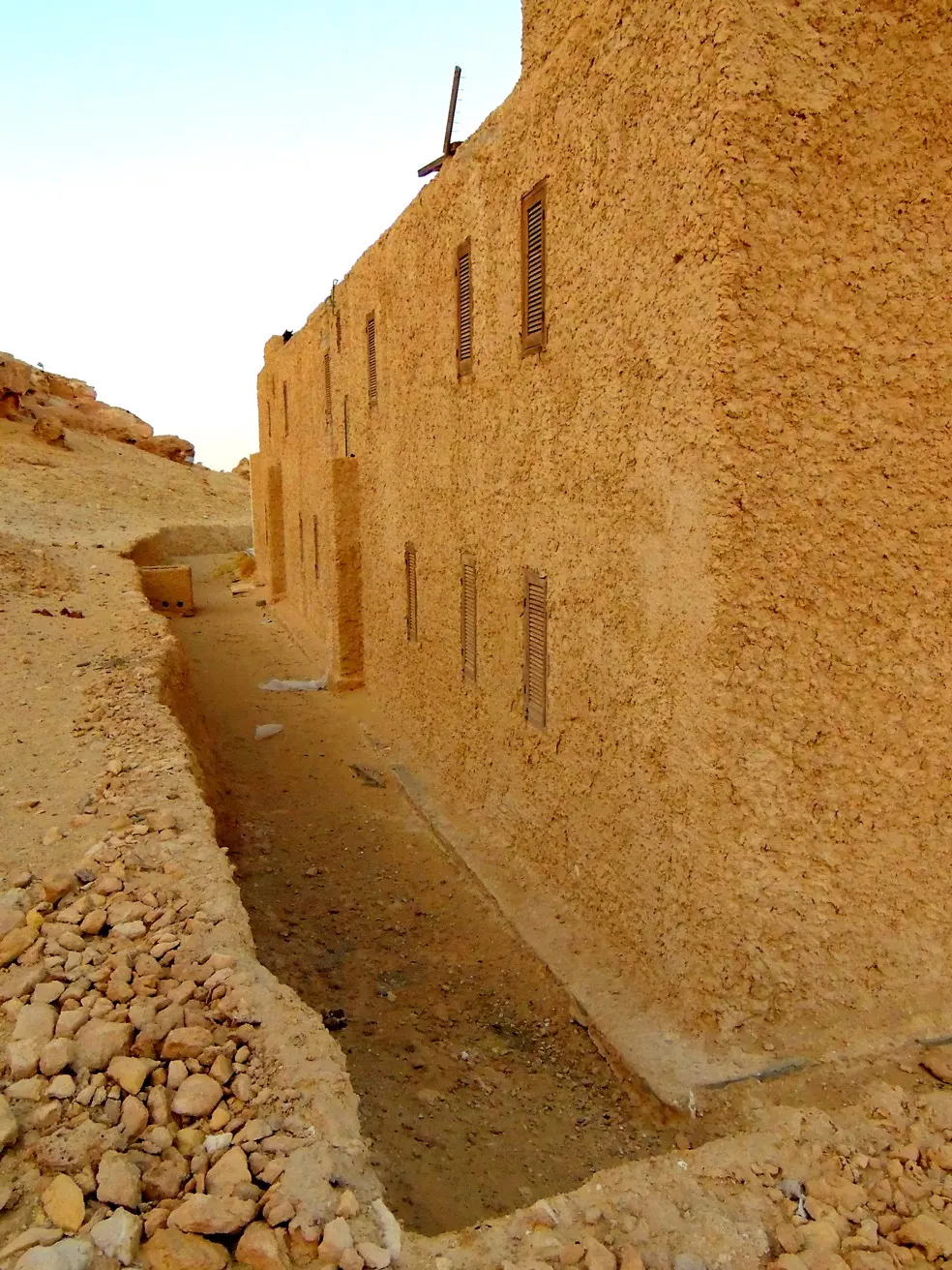
| Shali fortress | About 150 m | Visitors, residents in the houses below the walls | Modest dress; keep out of doorways that are lived in |
| Siwan House museum | About 250 m | Museum staff | Ask before photographing exhibits |
| Gebel al-Mawta | About 1.6 km | Site guards, other visitors | Follow the guard's rules in the tombs; never touch painted walls |
| Oracle Temple of Amun | About 2.5 km | Visitors; Aghurmi village around the hill | The village lanes are homes, so keep voices down |
| Cleopatra Spring | About 3.4 km | Local men and boys swimming, café staff | T-shirt and shorts over swimwear; no photos of other bathers |
| Gebel Dakrour | About 4.5 km | Siwans at festival time | At Siyaha, follow your guide; no flash or drones |
| Fatnas Island | About 4.7 km | Visitors at sunset, café staff | Feels relaxed, but dress for town and keep music low |
| Lodges, private pools, desert camps | Varies | Staff and other guests | Dress as you like; follow your lodge's rules on alcohol |
Dress
Short answer: Loose clothes covering shoulders and knees for everyone. A headscarf is not required for foreign women, but a light scarf is handy.
Men should avoid shorts in town and sleeveless tops anywhere public. Women are most comfortable in long skirts or loose trousers and tops with sleeves. Tight clothes draw more attention than bare arms. At lodges, desert camps and private pools you can dress as you like.
In public springs, swim in a modest swimsuit with a T-shirt and shorts or leggings over it. Many Siwan women never swim in public, and the springs are often used by local men and boys. Arrive already dressed for the water rather than changing on the bank. For a full clothing list by season, see what to wear in Siwa and the packing list.
Greetings and conversation
Short answer: Say "as-salamu alaykum" first, shake hands man to man, and let a woman decide whether to offer her hand.
Siwans speak their own Berber language, Siwi, in daily life, and nearly all of them learn Egyptian Arabic as a second language from an early age (checked 19 November 2026). Arabic greetings therefore work everywhere. "As-salamu alaykum" (peace be upon you) is answered with "wa alaykum as-salam". "Shukran" is thank you. A word or two of Siwi learnt from your guide will earn a smile, but nobody expects it.
- Handshakes. Men shake hands with men, often gently and for longer than Europeans are used to. A Siwan woman may not shake hands with a man she does not know; if she does not offer, a nod with your right hand on your chest is the courteous reply.
- Greet before business. Ask how someone is before you ask the price of a basket.
- Questions you may hear. Whether you are married, whether you have children, what work you do. They are friendly, not prying, and a short answer is fine.
- Topics to leave alone. Politics, criticism of religion and anything about a family's women. The UK advice also notes that it is illegal in Egypt to encourage people to convert to another religion, so leave missionary material at home.
- Feet and hands. Do not point the soles of your feet at anyone when you sit on the floor, and give and receive with your right hand.
Photography
Short answer: Never photograph Siwan women or children. Ask adults first, and expect some people to say no.
Siwan families guard the privacy of their women closely, and a photo of a woman, even a distant one in the background of a market scene, causes deep offence. Egypt's Ministry of Tourism photography rules (checked 19 November 2026) cover the whole country: personal photography with ordinary cameras is free, but you need an Egyptian's written consent before photographing them, children are off limits, and professional lighting or kit that blocks a road needs a permit. In practice, ask clearly, show the picture and delete it if asked.
Do not photograph police, soldiers or checkpoints on the road to Siwa; the UK advice says photographing military property, or near it, is illegal. Drones need prior permission from Egypt's Ministry of Defence, which visitors almost never have, and the same advice puts the penalty for unauthorised use or import at up to 7 years in prison and a fine of EGP 5,000 to 50,000. Where to point your camera instead: photography spots and rules.
Couples and LGBT+ travellers
The UK advice notes that public affection between couples is frowned upon in Egypt, while holding hands is generally fine. Siwa is more conservative than Cairo or the Red Sea, so keep even hand-holding low-key in town and anything more for your room.
For LGBT+ travellers, the same page says same-sex activity is not explicitly criminalised in Egypt, but LGBT+ people have been prosecuted under "debauchery" laws. In Siwa, discretion in public is the practical answer; your lodge room is private.
Alcohol and drugs
No alcohol is sold in Siwa. Egyptian law allows drinking only in licensed restaurants and bars, private homes and certain resorts, so the public square, the springs and the desert outside your camp are all off limits. Check your lodge's rules before you pack a bottle. Where to buy it beforehand and how to drink discreetly: is Siwa dry?
Drugs are a different order of risk. The UK advice warns that even small amounts can lead to life imprisonment or the death penalty in Egypt. Turn down anything offered, however casually.
Hospitality
Short answer: Siwans are generous hosts. Accept a glass of tea when invited; it is polite to drink at least one.
Tea comes in small glasses, strong and sweet, often in two or three rounds. If you are invited into a home, remove your shoes at the door, sit where you are shown and eat with your right hand. Leaving a little food on the plate shows you have had enough. Men usually do not meet the women of the family; women visitors may be invited to meet them. A small gift of sweets or fruit is a kind gesture; do not offer money to a host.
To decline a further invitation, a hand on the heart and a warm "shukran" is enough. Refusing everything flatly comes across as cold.
Religion, Fridays and the 2027 calendar
Short answer: Friday midday prayer is the most important of the week. Ramadan in 2027 is expected to start around 9 February, and both Eids bring Egyptian holidaymakers to Siwa.
Siwans are devout Muslims. Do not enter a mosque without being invited, and avoid walking in front of people praying. On Fridays, expect the town to pause around midday prayer, and plan shopping for the morning or late afternoon.
Islamic holidays follow the moon, so the dates below are tentative and can shift by a day. They come from the timeanddate Egypt 2027 calendar (checked 19 November 2026).
| 2027 date (tentative) | Event | What it means for visitors |
|---|---|---|
| Tue 9 Feb to about 9 Mar | Ramadan | No eating, drinking or smoking in public by day; lodges still serve guests |
| Wed 10 Mar, holiday to 12 Mar | Eid al-Fitr | Family visits; town busy with Egyptian holidaymakers |
| Sun 16 May | Arafat Day | Many people fast; a quiet day before the feast |
| Mon 17 May, holiday to 19 May | Eid al-Adha | Sheep are slaughtered for the feast; do not photograph it |
| Mon 7 Jun | Islamic New Year (1 Muharram) | Low-key |
| Sun 15 Aug | Prophet's Birthday | Sweets and evening gatherings |
| Mid-October, around the full moon | Siyaha at Gebel Dakrour | Siwa's own festival; days set locally each year |
During Ramadan, the UK advice says eating, drinking or smoking in public in daylight is culturally insensitive, and loud music, dancing and swearing are best avoided. It also warns of erratic driving at dusk, as people hurry home to break the fast. Iftar times and trip tips are in Siwa in Ramadan; the full year, with school holidays and long weekends, is in Siwa events and holidays 2027.
Siyaha: watching a religious festival
Siyaha honours Sidi Sulayman, Siwa's patron saint. According to the Wikipedia article on the oasis, men gather on the mountain to eat, sing and settle quarrels while women stay in the village, and the festival closes with a march on the fourth morning. Visitors are tolerated as onlookers, not invited as an audience.
- Go with a Siwan guide, who will know where you can stand.
- Treat the chanting circles (dhikr) as you would a church service: no flash, no walking through the rows, phone on silent.
- Women visitors should dress more conservatively than usual and expect to stay at the edge of the gathering.
- If you are offered food from the shared meal, accept a little with your right hand.
The site itself is described on Gebel Dakrour.
Springs, lakes and the desert
Public springs are shared community spaces, not resort pools. Keep music off, leave soap and shampoo out of the water, and take your rubbish away with you. The salt lakes and lakeside cafés follow the same dress rules as town, even though they feel remote.
In the desert, your driver and camp crew set the tone. Tell them before you walk out of sight of camp at night, keep music low so everyone can hear the silence, and pack out everything you brought in. Leave fossils, shells and stones where you find them. Off-road travel needs a permit and a licensed operator; see camping in Siwa and what a 4x4 safari is like.
Bargaining, tipping and money
Bargain gently in craft shops; it is a conversation, not a contest. Café and restaurant prices are usually fixed. Agree a tuk-tuk fare before the ride rather than haggling at the end. Tipping guides, drivers and camp crews is normal: see money and tipping, and ask us for a current figure in pounds for your group size.
Carry small notes. Breaking a large note in a small shop is awkward for the owner and slows things down for everyone waiting.
ID, police and getting help
The UK advice says police check ID regularly and may ask for your passport, and suggests keeping photocopies of your passport, visa and ticket separate from the originals. Keep a paper copy in your bag and a photo on your phone, especially on the road through the checkpoints described in permits and checkpoints. The tourist police number is 126. For wider safety advice, read is Siwa safe.
Mistakes to avoid
| Mistake | Why it matters | Do this instead |
|---|---|---|
| Walking from your lodge to town in pool clothes | Town and lodge are different worlds | Keep a long shirt and trousers in your day bag |
| Filming video while you walk through the market | Women end up in frame without consent | Film buildings and empty lanes; ask before close-ups |
| Handing sweets or money to children in the street | It encourages begging and upsets parents | Give gifts to a host, or through your guide |
| Stepping into open doorways in Shali or Aghurmi | Some houses beside the ruins are lived in | Stick to the visitor paths |
| Eating a sandwich on the square in Ramadan | Fasting people are all around you | Eat at your lodge or inside a café |
| Bringing a drone to Siyaha | Illegal without military permission, and offensive | Leave it at home; it should not enter Egypt at all |
Families and travellers with limited mobility
Families are made welcome in Siwa, and travelling with children often starts conversations sooner. Dress older children by the same rules as adults, and explain early that local children are not to be photographed. Keep them quiet near mosques at prayer times, and hold on to small ones in Shali, where lanes and roof edges are unprotected.
The town centre is flat but the streets are sandy and uneven, so a pushchair struggles and a wheelchair needs a helper. Tell your lodge about any mobility needs when you book, and ask us which sights suit your group.
With a Siwan guide
A local guide makes most of this easy. On our Siwa oasis day tour your Siwan guide can tell you when a photo is welcome and when to put the camera away. On the 3-day trip from Cairo the same guide stays with you for the whole visit. For current prices and what each trip covers, contact us or browse all tours.
See also Siwi people and culture and solo women travellers.
Questions people ask
Can I drink alcohol in Siwa?+
No alcohol is sold in Siwa. Egyptian law allows drinking only in licensed venues, private homes and some resorts, so if you bring your own, drink it at your lodge and never in public.
Is a headscarf expected for visiting women?+
It is not expected. Shoulders and knees covered is what matters; keep a light scarf in your bag for a mosque visit, the market, or wind-blown sand.
Can couples hold hands in Siwa?+
The UK government's Egypt advice says holding hands is generally fine in Egypt. Siwa town is more conservative than most places, so keep even that low-key in the market and lanes, and keep anything more for your lodge.
Can I photograph people in Siwa?+
Ask every adult first and accept a no. Never photograph Siwan women, and do not photograph children: Egyptian Ministry of Tourism rules prohibit it.
Should I shake hands with Siwans?+
Men usually shake hands with men. With a Siwan woman, wait to see whether she offers her hand; if she does not, a nod with your right hand on your chest is the polite alternative.
Can visitors go to the Siyaha festival?+
Visitors can watch parts of it, but it is a religious gathering of Siwan men on Gebel Dakrour, not a show. Go with a Siwan guide, ask before any photo, use no flash and fly no drones.
Is Siwa relaxed about dress at lodges and camps?+
Yes. Inside lodges, private pools and desert camps you can wear what you like, including shorts. Cover up again before you walk or ride into town.
What should I do if I upset someone?+
Apologise simply, put the camera away or cover up, and move on. If a problem grows, ask your guide or lodge to help, or call the tourist police on 126.
Go with us
Trips that include this
About 8 hours
Siwa Oasis Day Tour (from Your Siwa Hotel)About US$65 to 80 per person for two travellers (about US$130 to 160 per car)
Check dates
3 days, 2 nights
Siwa Oasis in 3 Days from Cairo (Private Trip)About US$420 to 650 per person for two travellers
Check dates