The short answer
Plan Siwa photography around a short window of good light: sunset falls at about 17:21 in mid-December and 20:18 in mid-June, and dusk fades within 30 minutes. Shoot Shali at sunset and blue hour, the salt pools late morning, Fatnas at sunset, dunes in low side light and the Milky Way near new moon. Never photograph Siwan women or children, and leave your drone at home.
Ask us on WhatsAppPhoto spots at a glance
Short answer: Shoot Shali at sunset and floodlit at night, the salt pools from late morning for colour, Fatnas and the dunes at sunset, the Oracle Temple in the late afternoon and the Milky Way from a desert camp on a moonless night.
Sunrise and sunset times for the 15th of every month are on Siwa weather. Mid-December gives about ten hours of daylight, mid-June about fourteen, and in both seasons the light that matters lasts well under an hour at each end.
| Spot | Best light | What you get |
|---|---|---|
| Shali | Sunset, blue hour, night | Mud towers, town lights |
| Salt lakes | Late morning to mid-afternoon | Turquoise pools, white salt |
| Fatnas | Sunset | Palm silhouettes over the lake |
| Oracle Temple | Late afternoon inside; sunrise from outside | Ruins over palm gardens |
| Gebel al-Mawta | Late afternoon | Tombs and town view |
| Great Sand Sea | Sunset, sunrise | Dune ridges, shadows |
| Desert camp | Night | Milky Way, campfire |
| Palm gardens | Morning | Lanes, mud walls, light through palms |
How far each spot is, and what it costs
Short answer: Shali is on foot from the square; most other spots are 5 to 25 minutes by tuk-tuk or car. Only two have a published ticket, EGP 120 each for foreign adults.
Distances run from the market square at the foot of Shali, taken from our Siwa map, which measures along mapped roads. Ticket prices and hours are from the Ministry of Tourism and Antiquities ticket list (dated 5 November 2024, checked 19 November 2026), where the Oracle Temple appears as the Temple of Aghurmi.
| Spot | By road from the square | Getting there | Entry (foreign adult) | Hours |
|---|---|---|---|---|
| Shali | Walk up from the square | 5 min on foot | Ask us; arrangements have varied | Open area |
| Gebel al-Mawta | 1.7 km | 8 min by bike, 5 min by tuk-tuk | EGP 120 (student EGP 60) | 9:00 to 17:00 |
| Oracle Temple | 2.5 km | 13 min by bike, 6 to 10 min by tuk-tuk | EGP 120 (student EGP 60) | 9:00 to 17:00 |
| Gebel Dakrour | 4.5 km | 10 to 15 min by tuk-tuk | None | Open area |
| Fatnas | 4.7 km | 23 min by bike, 10 to 15 min by tuk-tuk | No ticket | Open area |
| Salt pools | 14.6 km | 20 to 25 min by car | Fees being re-checked; ask us | Daylight; working salt ponds |
| Great Sand Sea | From about 10 km south | 4x4 only, with permit and licensed driver | Part of a trip | Ask us |
Two things follow from the hours. First, the Oracle Temple and the Gebel al-Mawta tombs close at 17:00, while sunset runs from 17:21 in December to 20:18 in June. From May to September you cannot be inside either site for sunset, so visit them in the afternoon and move on to Fatnas or Shali. Second, neither opens before 9:00, so a sunrise frame of the Oracle Temple has to be taken from outside the site.
The list is two years old and Egypt does revise foreign prices, so carry spare Egyptian pounds in small notes. Tuk-tuk and car fares are agreed locally; ask us for current prices, or see getting around Siwa.
When the light is good
Short answer: Golden light starts about 45 minutes before sunset; the blue sky after it lasts under half an hour. Real darkness for stars arrives about 85 to 95 minutes after sunset.
At Siwa's latitude, about 29° north, the sun drops at a steep angle, so twilight is shorter than in northern Europe. The figures below come from timeanddate's sun tables for Siwa Oasis for December 2026 and June 2027 (both checked 19 November 2026), in Egypt local time. June includes summer time.
| Moment | 15 December 2026 | 15 June 2027 | Use it for |
|---|---|---|---|
| Civil twilight begins | 06:38 | 05:51 | Dunes and lake before the sun clears the horizon |
| Sunrise | 07:04 | 06:18 | Long dune shadows, palm silhouettes |
| Sunset | 17:21 | 20:18 | Shali, Fatnas, dune ridges |
| Civil twilight ends | 17:47 | 20:45 | Blue hour: floodlit Shali against a deep blue sky |
| Astronomical twilight ends | 18:46 | 21:53 | Full darkness: Milky Way and star trails |
In winter you can photograph sunset at Fatnas, eat dinner, and still be out under a dark sky by 19:00. In summer real darkness comes close to 22:00, and the first hours after sunrise are the only comfortable time to walk in the open.
Season matters for haze too. On the WMO normals summarised on Siwa weather, April averages about eight days a month with blowing sand, while October and November are the calmest months. A dusty day mutes colour and turns the sun into a pale disc; a still day after wind gives the sharpest distance views from the top of Shali.
Spot by spot: what to shoot and how
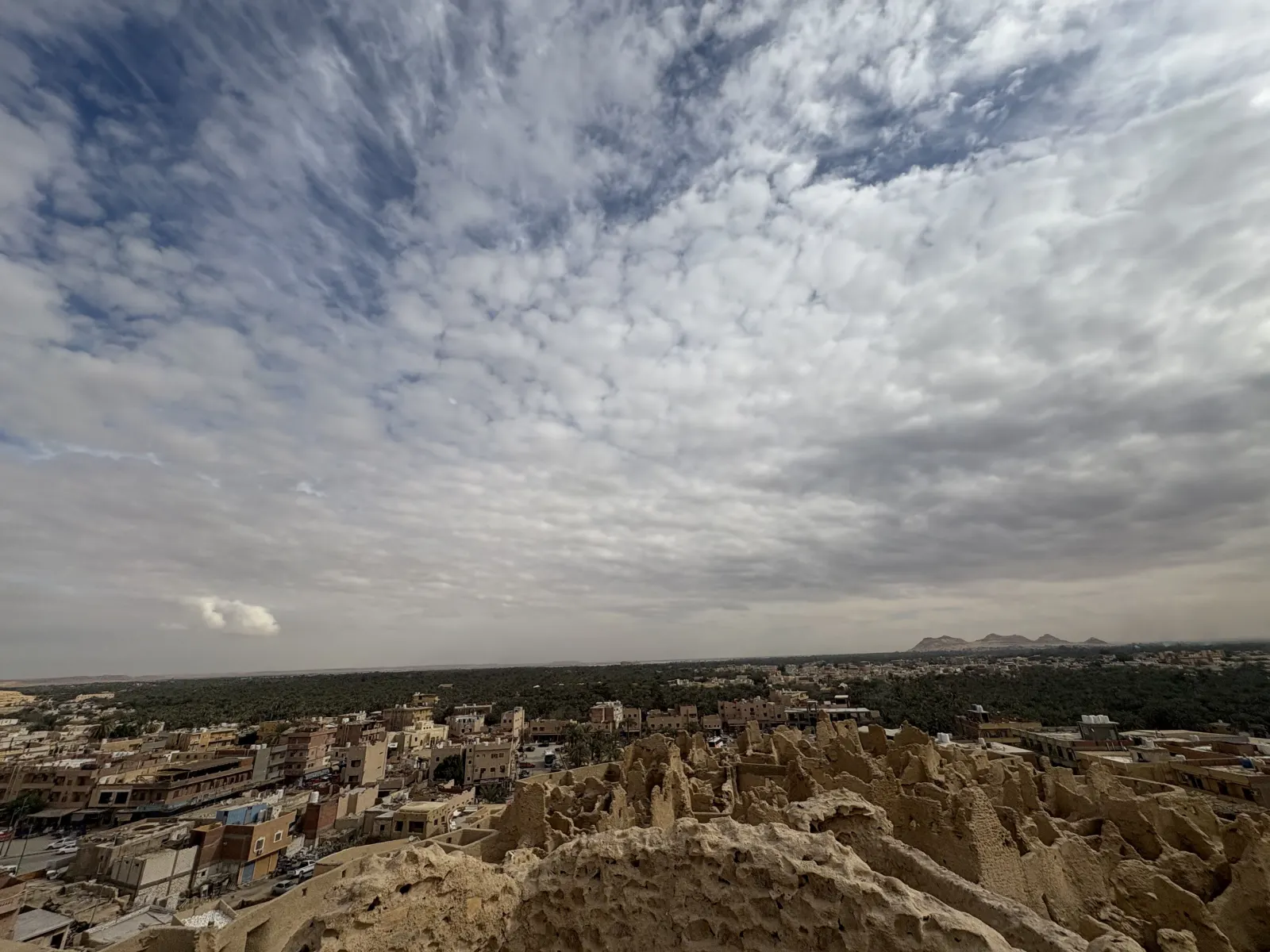
Shali. The summit looks over palm gardens to the lakes, so a wide lens takes in the whole oasis. The better pictures are often lower down, where narrow lanes cut between salt-mud walls and the setting sun catches one tower at a time. After sunset the fortress is floodlit; frame it from the square below while some colour is still left in the sky. Paths are uneven and unlit, so come down before full dark or carry a torch.
Salt pools. The colour depends on a high sun: from late morning the water reads turquoise against the white crust. These pools are a working landscape; NASA's Earth Observatory (Landsat 9 image of 23 January 2023, checked 19 November 2026) picks out the evaporation ponds used for salt harvesting beside the lakes. Treat them as someone's workplace: stay off crusts that look thin, keep out of fenced areas, and keep salt water off your camera. A polarising filter cuts surface glare and deepens the colour.
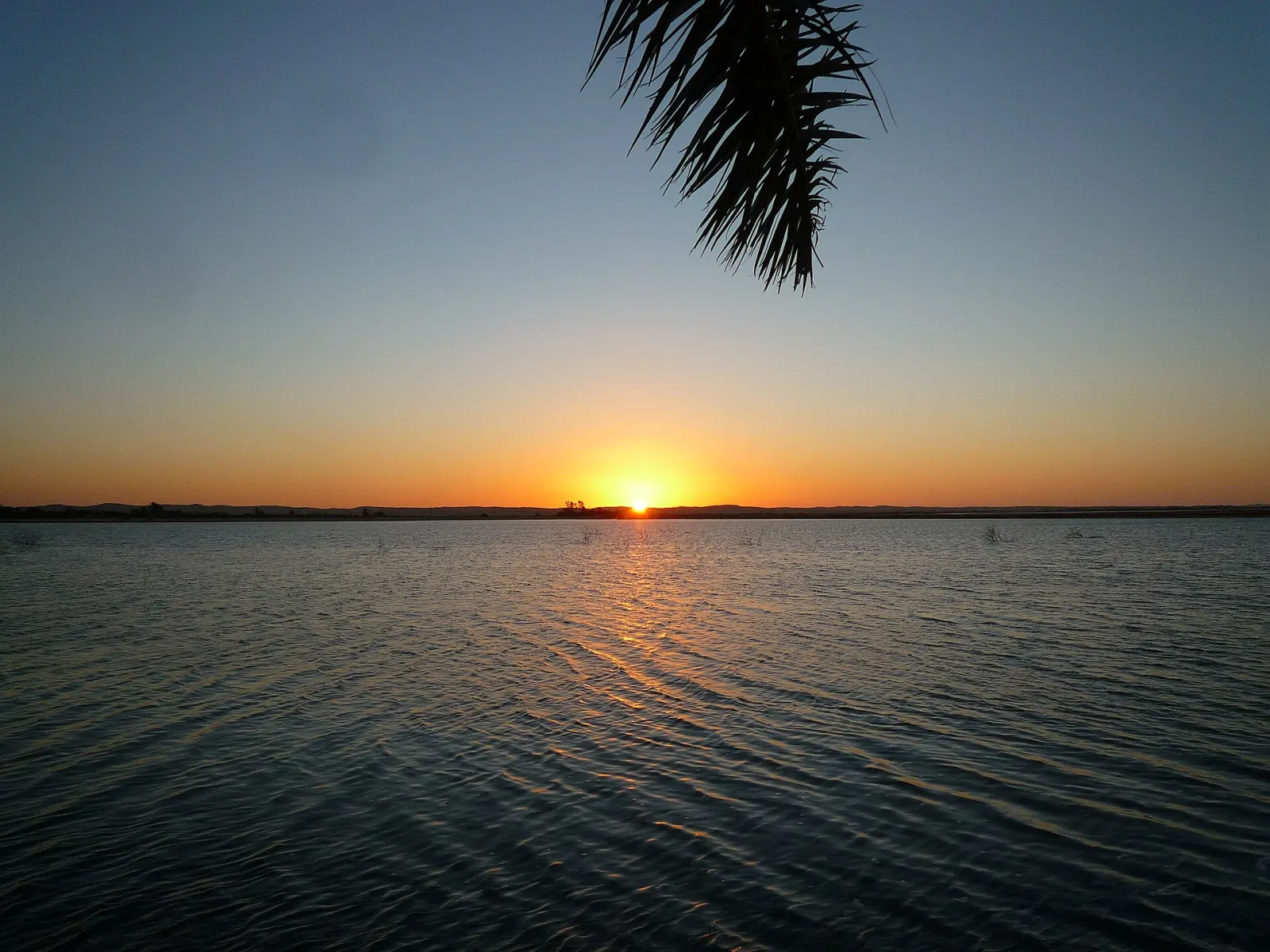
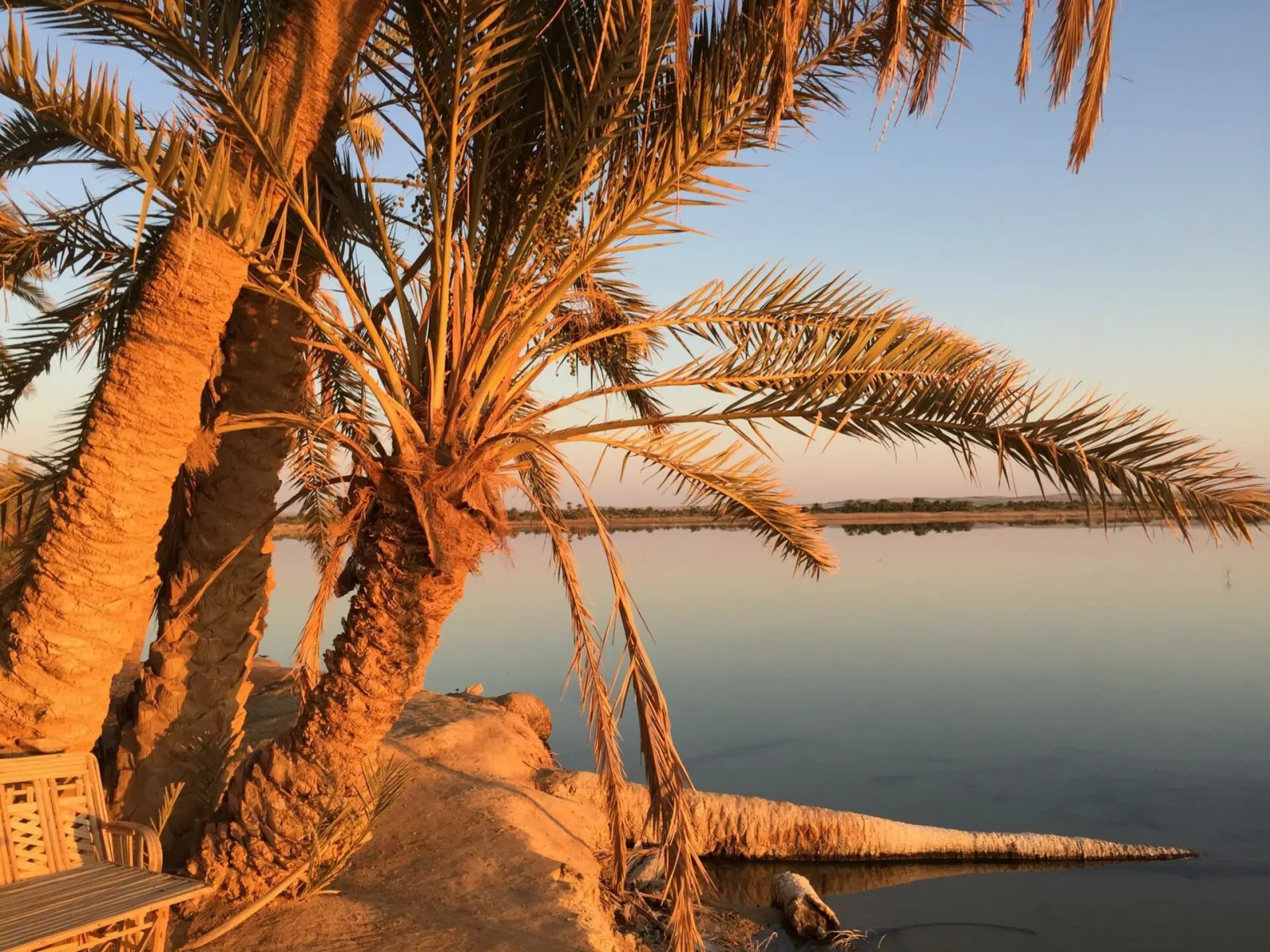
Fatnas. Fatnas looks west across Lake Siwa, so the sun goes down over the water with hills on the far shore. Arrive an hour early to pick a place on the shore, and use a palm trunk or frond to frame the sun. Stay for the 25 minutes after sunset, while the afterglow reflects in the lake.
Oracle Temple. The ruins sit on a rock outcrop in Aghurmi village, so a longer lens from lower ground stacks the walls above the palms. Inside the site, the last hour before the 17:00 closing is warm and low in winter. Keep your camera off people's homes in the village around it.
Gebel al-Mawta. The hill is pocked with rock-cut tombs, and afternoon sun from the side gives them depth. From the top you look back towards Shali. Inside the painted tombs, ask the guardian before taking any picture and never use flash.
Gebel Dakrour and the dune edge. Dakrour gives a raised view south towards the sand. Dunes photograph best when the sun is low and to the side, so each ridge throws a shadow line; at midday they look flat. Walk round a dune rather than along the crest you want to photograph, or your footprints will be in the shot.
Palm gardens. Morning light through the fronds is softer than in the afternoon, and the lanes are cooler. Gardens are private property; photograph from the lane unless the owner invites you in.
Night sky and the moon
The darkest skies are a short drive from town. Plan around the moon on the Siwa moon calendar: the three nights either side of a new moon are dark enough for the Milky Way, while full-moon nights light the dunes for landscape shots with stars above. Winter gives the longest nights; summer puts the Milky Way's bright core in the evening sky. Meteor dates are on meteor showers in Siwa.
The stargazing evening takes you to the edge of the dunes for about two hours on the sky and is back by about 22:30, which suits a first try at star photos. For sunset, night and sunrise in one go, the overnight desert camp puts you among the dunes from late afternoon to morning. More on dark sites in stargazing in Siwa.
Starting settings for the Milky Way on a wide lens: aperture fully open, ISO 3200, 15 to 20 seconds, focus set on a bright star in live view. Turn off image stabilisation on a tripod. If you plan to photograph the 2 August 2027 total solar eclipse, put a certified solar filter over the lens for every phase except totality itself.
Drones and photography rules
Short answer: No drones without prior Ministry of Defence permission, no photos of military sites, police or checkpoints, never photograph Siwan women or children, and ask adults first.
These are national rules, and Siwa follows them. The UK government's Egypt safety and security advice (checked 19 November 2026) summarises Egyptian law and the Ministry of Tourism photography rules (checked 19 November 2026).
| Rule | What it means in Siwa | Source |
|---|---|---|
| Drones need prior Ministry of Defence permission to import, use or produce | Leave the drone at home. Without permission the penalty can be up to 7 years in prison or a fine of EGP 5,000 to 50,000 | UK Egypt advice |
| No photos of, or near, military property | The roads to Siwa have checkpoints; keep the camera down near them and near any military site | As above |
| Do not photograph officials without consent | This includes police at checkpoints | As above |
| Written permission before photographing an Egyptian; no photos of children | Never photograph Siwan women; ask adult men and accept a no | Ministry of Tourism rules |
| Personal, non-commercial photography in public places is free | Cameras and phones are fine; photo umbrellas, outdoor lighting rigs and gear that blocks a road need a permit | As above |
| Religious and government buildings are sensitive | Ask before photographing a mosque | UK Egypt advice |
| Satellite phones and radio sets need prior clearance | Customs may confiscate them on arrival | UK Egypt entry advice |
Drones. Egypt's drone law (Law 216 of 2017, summarised by Egypt Today) requires a permit to import, possess or use one. Visitors almost never hold one. Siwa town is about 50 km east of the Libyan border, which is closed to travellers, so this is not the place to test the rule.
Checkpoints and the road. Do not photograph checkpoints, soldiers, police or military buildings on the drive in. Your driver will tell you when it is fine to stop for a picture. Desert permits and checkpoints are explained in permits and checkpoints.
People. Women's privacy is central to Siwan life. Never photograph Siwan women, even far off in the background of a market scene, and do not photograph children. Ask adult men first, show them the picture and delete it if they ask. More in Siwa etiquette.
Mistakes to avoid
- Arriving at sunset. By the time the sun touches the horizon, the best places at Fatnas and the best ledges on Shali are taken. Be there 45 to 60 minutes early.
- Leaving at sunset. The pink and blue light after the sun drops is often better than the sunset itself. Wait until civil twilight ends.
- Planning a sunset inside a ticketed site. Both close at 17:00; in June that is more than three hours before sunset.
- Changing lenses in the wind. Fine sand gets into the camera body and onto the sensor. Change lenses inside the car with the doors shut, or carry a phone for the wide shots.
- Taking salt home on the camera. Wipe the body and lens with a cloth dampened in fresh water after the salt pools; dried salt is abrasive.
- Trusting the screen in bright sun. Midday glare makes it hard to judge exposure. Check the histogram, or shade the screen with your hand.
- A market scene with women in it. Even in the background, it causes offence. Frame tight, or photograph the stalls and goods when no one is in shot.
Gear checklist
| Item | Why |
|---|---|
| Wide-angle lens (or phone main camera) | Dunes, ruins, the view from Shali |
| Short telephoto | Compressed dune ridges; Oracle Temple from below |
| Small travel tripod | Blue hour, night sky, low-light lanes |
| Polarising filter | Deeper colour on the salt pools; less glare |
| Blower, microfibre cloths, zip bags | Sand and salt protection |
| Spare batteries and a power bank | Cold desert nights drain batteries |
| Head torch with a red mode | Keeps your night vision; kinder to others at camp |
| Solar filter (2 August 2027 only) | Eclipse partial phases |
A three-day photo plan
Day 1. Morning in the palm gardens. Mid-afternoon at Gebel al-Mawta, before the 17:00 closing. Climb Shali 45 minutes before sunset, then shoot it floodlit from the square.
Day 2. Oracle Temple at the 9:00 opening, while the light is still low, then the salt pools late morning for colour. Rest through the middle of the day. Fatnas for sunset.
Day 3. Dune edge or Gebel Dakrour in the late afternoon, then a stargazing evening or an overnight desert camp for the Milky Way and a dune sunrise.
For a fuller plan with meals and rest, see the 3-day itinerary, or ask us to time a trip around the moon.
Families and access
- Children: your own children can come to every spot on the list. The salt pools need close supervision, as salt stings eyes and small cuts. Shali has uneven, unfenced paths and drops; hold small children's hands.
- Limited mobility: Fatnas is flat, and the floodlit view of Shali from the square needs no climb. The Shali summit is a short but uneven climb of about 10 minutes, and the Gebel al-Mawta tombs have steps. The dunes need a 4x4 and some walking on soft sand.
- Heat: from May to September, shoot early and late and stay indoors in the middle of the day.
Questions about a specific shot or date? Contact us or see all tours.
Map of the oasis
Close-up: around Siwa town
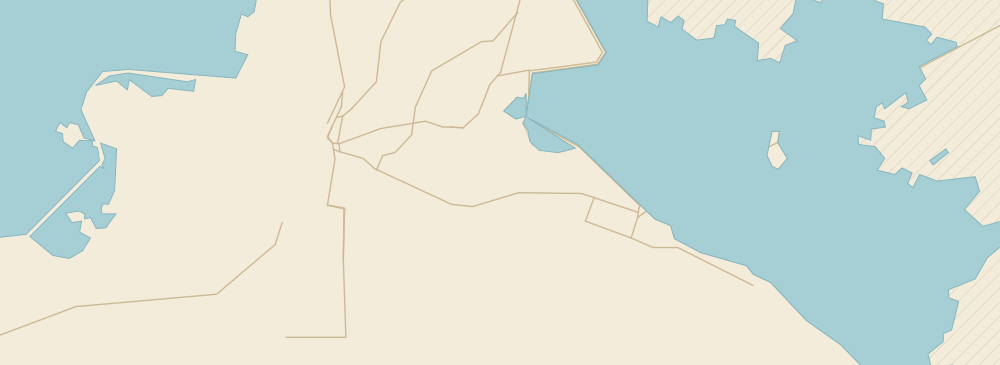
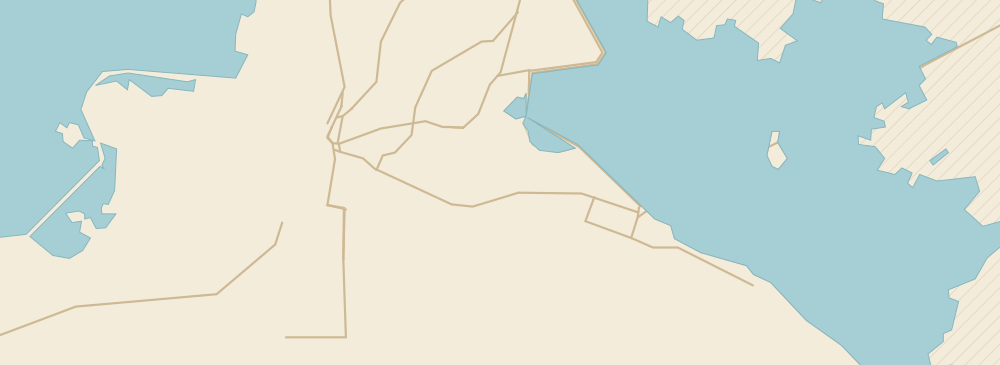
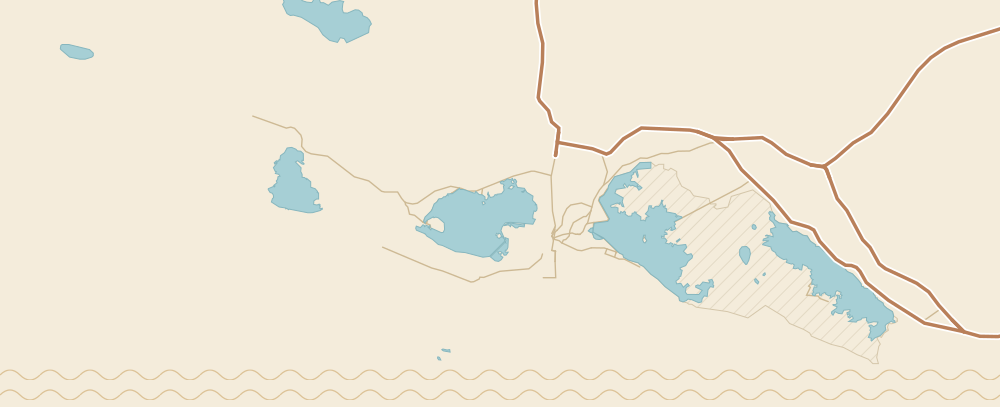
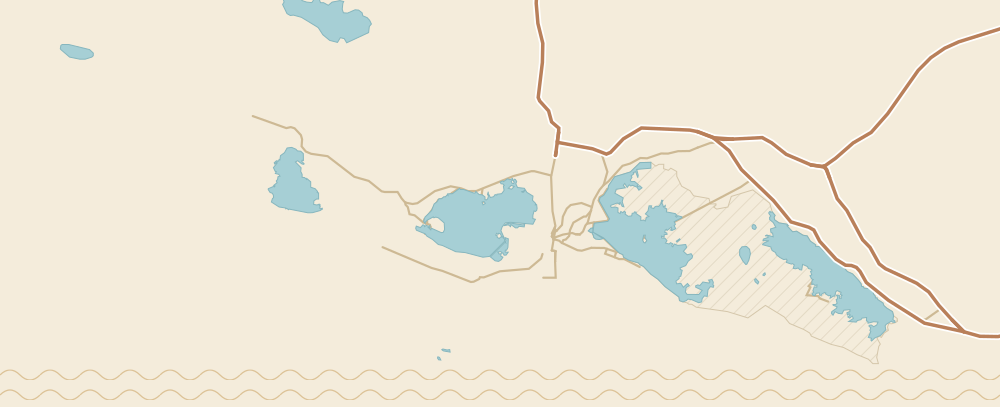
Lakes and roads drawn from OpenStreetMap; pin positions are approximate. The salt flats (hatched) dry out and flood with the seasons. Map data © OpenStreetMap contributors, ODbL.
Questions people ask
Can I fly a drone in Siwa?+
Not without prior permission from Egypt's Ministry of Defence. The UK government's Egypt advice, checked on 19 November 2026, says using or importing a drone without it can bring up to 7 years in prison or a fine of EGP 5,000 to 50,000. Leave it at home.
Can I use a tripod at Siwa's sites?+
A small travel tripod is usually fine outdoors, in the dunes and by the lakes. The official photography rules do not mention tripods, and ticketed sites can set their own rules, so ask at the gate; we are re-checking the current position and will tell you when you book.
Can I take photos inside the tombs of Gebel al-Mawta?+
Ask at the ticket office on the day, and never use flash near the painted walls. Outside, the honeycombed hillside and the view over town are open to shoot during opening hours, 9:00 to 17:00.
Can I photograph the Oracle Temple at sunrise?+
Not from inside. The Temple of Aghurmi opens at 9:00 and closes at 17:00 on the Ministry's ticket list, checked 19 November 2026. For sunrise, frame the outcrop from outside the site, and go in after opening.
How long does good light last in Siwa?+
Not long. On 15 December 2026, civil twilight ends 26 minutes after sunset; on 15 June 2027, 27 minutes after. Be in position 45 minutes before sunset and stay until the sky turns deep blue.
Which month is best for photography in Siwa?+
October and November are the calmest months for wind and dust, with clear air and sunsets before 19:00. April has the most blowing sand. Winter nights are longest for stars; summer puts the Milky Way's bright core in the evening sky.
Can I photograph people in the market?+
Ask adult men first and accept a no. Never photograph Siwan women, even in the background, or children. Egyptian rules require a citizen's written permission before you take their photo.
Go with us
Trips that include this
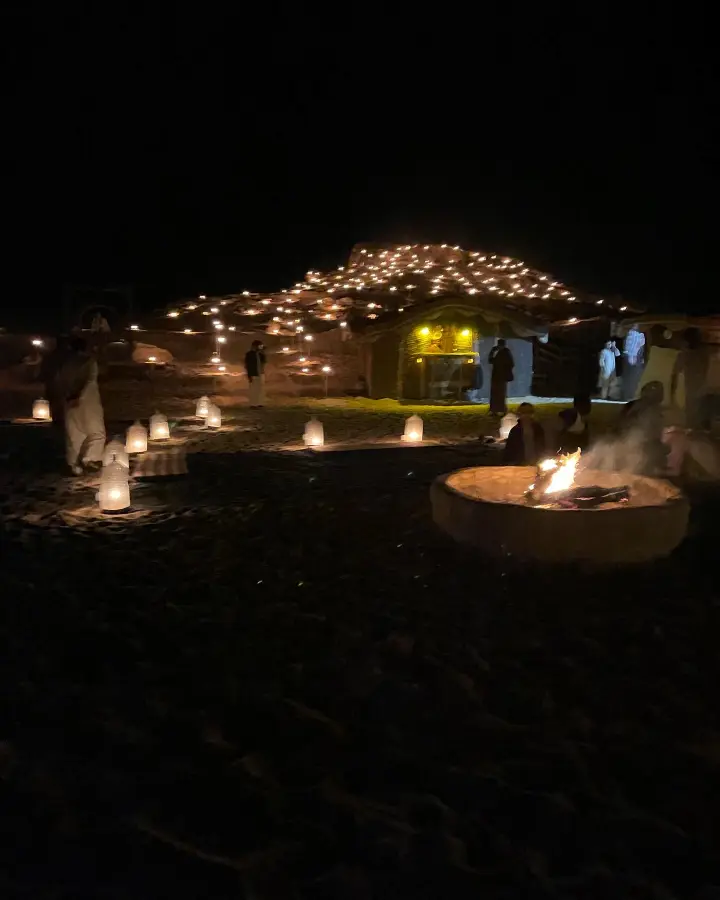
About 20 hours (afternoon to next late morning)
Overnight Desert Camp from Siwa (Private)About US$120 to 220 per person for two travellers
Check dates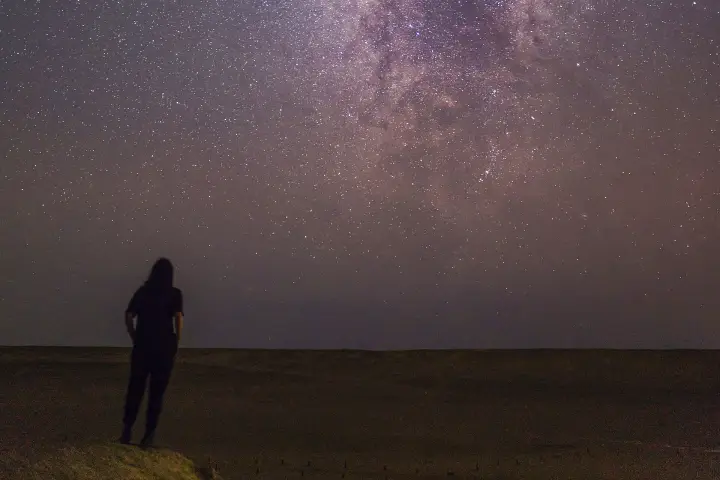
About 3.5 hours hotel to hotel, with about 2 hours on the sky
Siwa Stargazing Evening: 2 Hours at the Sand Sea EdgeAbout US$60 to 80 per person for two travellers
Check dates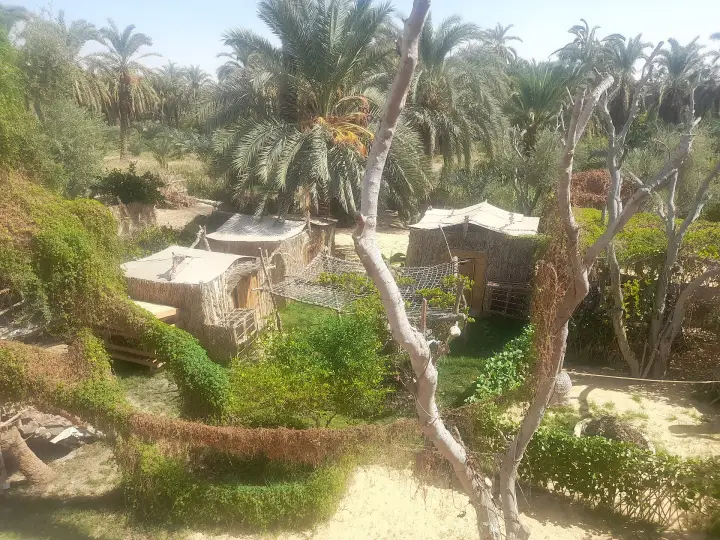
4 days, 3 nights
Siwa in 4 Days: Eco-Lodge and a Night in the Great Sand SeaAbout US$495 to 825 per person for two travellers (the lodge level decides the price)
Check dates