The short answer
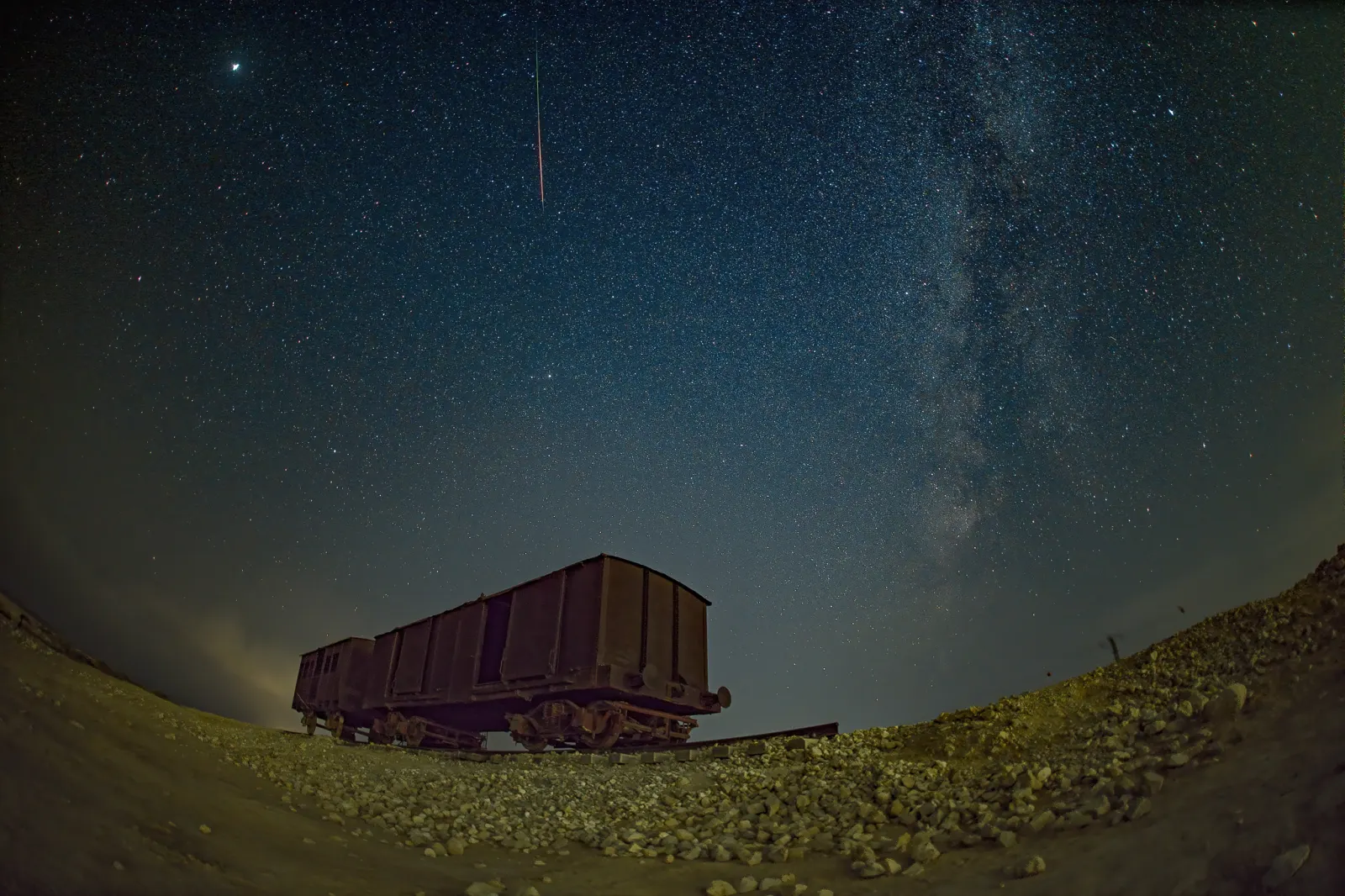
Four meteor nights justify a Siwa trip in 2026-27: the Geminids on 13/14 December 2026 (ZHR 150, Moon set by 21:10), the Quadrantids before dawn on 4 January 2027 (peak 05:25 Egypt time, ZHR 80), the Eta Aquariids on 5/6 May at new moon and the Southern Delta Aquariids on 30/31 July. Bright moonlight spoils the Lyrids, Orionids and 2027 Geminids.
Ask us on WhatsAppThe calendar in one table
Short answer: four nights deserve a trip to Siwa between December 2026 and the end of 2027. They are the Geminids on 13/14 December, the Quadrantids on 3/4 January, the Eta Aquariids around 5/6 May and the Southern Delta Aquariids on 30/31 July. Most of the rest sit under too much moonlight to justify the drive.
Peak dates, ZHR and radiants are from the International Meteor Organization's Meteor Shower Calendar 2026 and Meteor Shower Calendar 2027 (both checked 17 November 2026). New and full moon dates match timeanddate.com's 2027 moon phases for Cairo, and summer time follows its Egypt clock-change page (both checked 17 November 2026). We converted every peak to Egypt time and calculated the Moon, the radiant height and the dark hours ourselves for Siwa town (29.2N, 25.5E). A camp in the Great Sand Sea runs within a few minutes of these figures.
| Shower | Peak (Egypt time) | ZHR | Moon at peak | Best night from Siwa | Verdict |
|---|---|---|---|---|---|
| Geminids 2026 | 14 Dec, about 16:00 | 150 | Crescent, about 19%; sets 21:10 the night before | 13/14 Dec, 22:00 to 05:35 | Go |
| Ursids 2026 | 23 Dec, about 00:00 | 10 | Nearly full, over 95% | None | Skip |
| Quadrantids | 4 Jan 2027, 05:25 | 80 | Waning crescent, 12%; rises 04:25 | 3/4 Jan, 02:30 to 05:45 | Go |
| Lyrids | 23 Apr, 03:40 | 18 | About 95%, up all night | None | Skip |
| Eta Aquariids | 6 May, about 12:00 | 50 | New moon that day | 5/6 May, 03:15 to 05:00 | Go |
| S. Delta Aquariids | 31 Jul (broad) | 25 | Thin crescent under 10%; rises about 04:00 | 30/31 Jul, 23:30 to 04:00 | Go |
| Perseids | 13 Aug, 11:00-13:00 | 110+ | About 85%; sets 03:01 | 12/13 Aug, 03:00 to 05:15 | Partial |
| Draconids | 9 Oct, about 10:00 | 5 | Waxing gibbous, about 65%; up in the evening | None | Skip |
| Orionids | 22 Oct (broad) | 20 | About 60%; rises 23:34, close to the radiant | None | Skip |
| Leonids | 18 Nov, 08:00 | About 15 | About 80% | None | Skip |
| Geminids 2027 | 14 Dec, about 22:00 | 150 | Full the day before | None | Skip |
| Ursids 2027 | 23 Dec, about 06:00 | 10 | Waning crescent, about 22%; rises 02:55 | 22/23 Dec, before moonrise | Minor bonus |
ZHR is the rate a single observer would count under a perfect sky with the radiant overhead. Real counts are lower, often by half or more. Our Siwa moon calendar 2027 lists every new and full moon of the year.
The IMO's own overview of 2027 matches our verdicts: it places the Quadrantid peak shortly before new moon, rates conditions favourable for the Eta Aquariids and the Southern Delta Aquariid maximum, and says the April Lyrid maximum, shortly after full moon, has the worst conditions of the year.
The four nights worth the trip
Geminids, 13/14 December 2026. The richest shower of the year, and this time the Moon is kind: a slim crescent drops behind the dunes at 21:10, by which point the radiant in Gemini is already climbing. Rates build until the radiant passes almost overhead at about 02:15. Our Geminids in Siwa 2026 guide has the full hour-by-hour plan.
Quadrantids, 3/4 January 2027. The highest rate of any moon-friendly peak in 2027, but a short one: the Quadrantid maximum lasts only a few hours. From Siwa the radiant clears the northern horizon around midnight and stands about 48 degrees high at the 05:25 peak, some 20 minutes before astronomical dawn. Sleep first, then watch from about 02:30. The crescent that rises at 04:25 is too thin to matter. Two cautions from the IMO calendar: gaps in past data leave the peak time uncertain by about 2.5 hours, and recent peaks have swung between the lower part of its stated 60 to 200 range (2022, 2023 and 2025) and close to the long-term average (2024 and 2026). A clear morning on 4 January is worth having either way.
Eta Aquariids, 5/6 May 2027. The best new-moon shower of the year. The radiant sits on the celestial equator and rises only around 03:00, so this is strictly a pre-dawn affair, with roughly two dark hours before twilight at 05:05. Here latitude works for you: the IMO says useful results come from places south of about 40N, and Siwa sits near 29N. The mornings of 5 and 7 May are moonless too, which gives you spare nights. IMO analysis of visual counts since 1984 puts the ZHR generally above 30 from 3 to 10 May, so a trip anywhere in that week is not wasted. Rates have been drifting down since 2008, though, and the last six years gave a ZHR of roughly 40, so expect fewer than the table's 50. These are fast meteors, entering at about 66 km/s.
Southern Delta Aquariids, 30/31 July 2027. A modest shower of medium-speed meteors from a low southern radiant, which climbs to about 45 degrees from Siwa by 03:30. The IMO says the ZHR holds near 25 for about two days and that bright members are common around the maximum; it also notes that only a small share of the shower is seen from mid-northern latitudes, with conditions improving further south, which favours Siwa over Europe. The peak falls two nights before the total solar eclipse of 2 August, and the Perseids are already active, so a camp night in eclipse week mixes both showers under a dark sky.
The Perseids in 2027: a short dark window
The Perseids are the shower most visitors have heard of, and 2027 is not their year from Siwa. The IMO puts the main peak at 08:00-10:00 UT on 13 August, which is late morning to midday in Egypt, and the Moon is about 85% lit. On the night of 12/13 August the Moon sets at 03:01, leaving a little over two hours of dark sky with the radiant high in the north-east before dawn twilight at 05:19.
There are wildcards, all listed in the IMO calendar. Jenniskens' model gives a dust-trail encounter at 23:46 UT on 12 August, which is 02:46 Egypt time on the 13th, just as the Moon nears the horizon; the listed ZHR is 280, but model encounters like this are uncertain. Maslov and Vaubaillon point to a possible small addition from old trails around 02:00 to 02:16 UT, or 05:00 to 05:16 in Siwa, just before dawn twilight begins. Maslov also finds that Jupiter has nudged this part of the stream closer to Earth, which may lift the normal rate by 10 to 20 per cent, to a ZHR of 110 to 120. Treat all of this as a bonus, not a reason to travel; full moon follows on 17 August. Our honest advice: if you are in Siwa for the eclipse, the moon-free evenings of 29 July to 4 August show fewer Perseids but a much blacker sky, with the Milky Way core low in the southern sky in the evening.
Why we skip the rest
- Ursids, 22/23 December 2026. A nearly full Moon, and from Siwa's latitude the radiant near the Little Dipper stands only about 20 degrees up at the peak and stays below 40 degrees until dawn.
- Lyrids, 23 April 2027. Just after full moon, with the Moon up all night; the IMO rates these the worst conditions of its 2027 calendar.
- Draconids and Orionids, October 2027. The Draconid peak falls in daylight under a gibbous Moon. The Orionid radiant rises at about 23:00, and a Moon some 60% lit follows it up half an hour later, a short way from the radiant.
- Leonids, November 2027. The IMO lists possible extra activity of ZHR 40 to 50 on 17 November at 22h UT and 20 November near 04h UT, and Sato's model adds three old dust trails between 18 and 20 November worth perhaps a few tens. From Siwa the radiant is only just rising at the first, and the second falls in morning twilight, 25 minutes before sunrise. Add an 80% Moon and it is a skip.
- Geminids, 14 December 2027. The peak comes a day after full moon. Come for silver dunes instead.
Watching from Siwa: what makes the difference
- Get out of town. The oasis has streetlights, lodge lamps and lit buildings. Even 20 minutes into the dunes makes faint meteors visible that you would never see from a rooftop. Our camping in Siwa guide covers where and how.
- Dress for the hour, not the month. In the WMO 1961-1990 normals for the Siwa station, the mean low is 6.5 °C in December and 5.6 °C in January, and the lowest reading in that 30-year set is -2.2 °C; you will be lying still in the coldest hours. In May the pre-dawn air is mild, with a mean low of 17.8 °C. In July the night barely cools, with a mean low of 21.7 °C, so drink plenty and sleep through the hot afternoon. Our Siwa weather guide has every month.
- Lie back, and do not stare at the radiant. Meteors appear all over the sky; the radiant only tells you where their trails point back to. NASA's Jet Propulsion Laboratory suggests a reclining chair or ground pad, leaving binoculars and telescopes behind because they narrow your view, and watching for at least half an hour.
- Protect your night vision. Use red light only and keep phones face down; JPL warns that looking at a phone or any other light destroys night vision.
- Expect haze some nights. Clear skies are normal, but spring brings the khamsin and dust; that is one more reason to give the Eta Aquariids two mornings, not one.
How to join a meteor night
Our Siwa Sky Nights trip has fixed departures with a Great Sand Sea camp night on 13/14 December 2026, 3/4 January 2027, 5/6 May 2027 and 30/31 July 2027, each picked by the peak and the Moon. If you are already in the oasis, an overnight desert camp can be timed to the same nights, and our stargazing guide covers what else is up on a dark Siwa night.
Questions people ask
What is the best meteor shower to see from Egypt in 2027?+
For pure numbers under a dark sky, the Quadrantids on the morning of 4 January: ZHR 80 with only a thin crescent rising shortly before the peak. For the most comfortable dark night, the Eta Aquariids around 6 May, which peak on the day of the new moon. Siwa's southern latitude suits the Eta Aquariids better than Europe does.
Are the Perseids worth seeing from Siwa in August 2027?+
Only in part. The peak on 13 August arrives under a Moon about 85% lit that does not set until about 03:00, leaving roughly two dark hours before dawn on the night of 12/13 August. The moon-free evenings around the 2 August eclipse show fewer Perseids but a far darker sky.
Which time zone are the times on this page in?+
Egypt local time, calculated for Siwa town. That is UTC+2 in winter and UTC+3 from 30 April to 28 October 2027, the summer-time period. The International Meteor Organization publishes its peaks in UT, so add two or three hours to compare.
How exact are the predicted peak times and rates?+
They are forecasts, not timetables. The IMO gives the Quadrantid peak an uncertainty of about 2.5 hours and says its ZHR can vary between roughly 60 and 200. Dust-trail predictions, such as those for the 2027 Perseids and Leonids, are less certain still. Plan around the best night, not the minute.
Why skip the Geminids in December 2027?+
The Moon is full on 13 December 2027, the day before the peak, and floods the sky all night. Only the brightest meteors cut through that glare. Book December 2027 as a full-moon dune night instead and save meteor hunting for a darker month.
Can I just see meteors on any clear night in Siwa?+
Often, yes. On a moonless night in the open desert you can expect the odd stray, or sporadic, meteor even when no shower is active. A shower raises that rate for a few nights around its peak, which is why the dates matter.
Go with us
Trips that include this
4 days, 3 nights
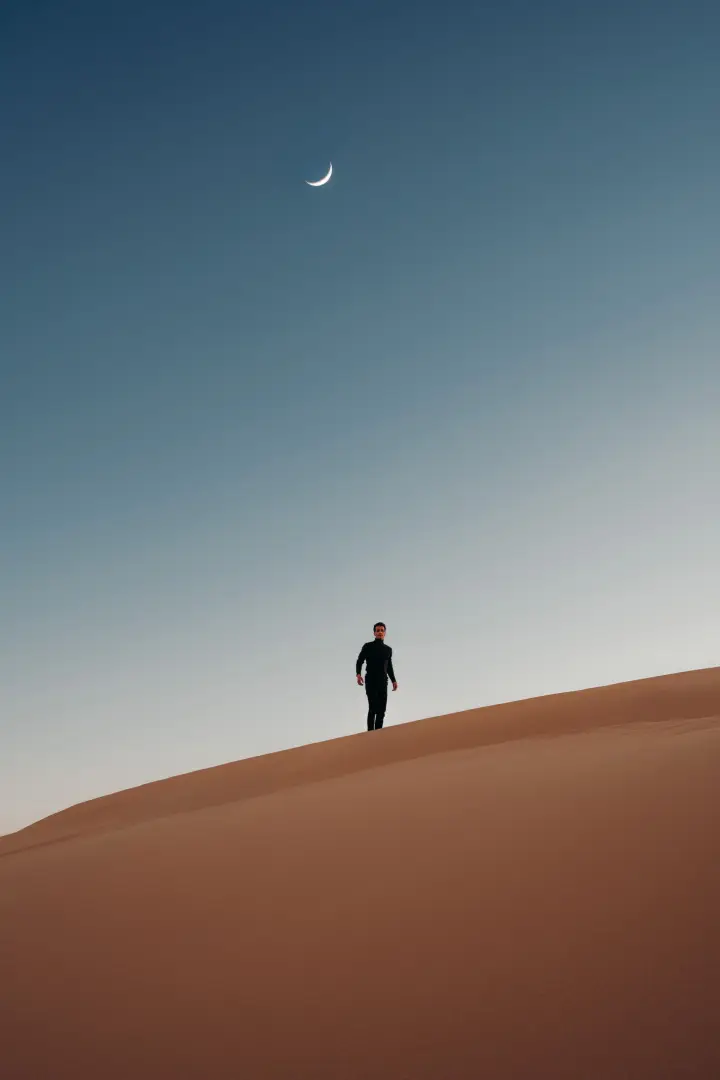
Siwa Sky Nights 2026-27: Meteor and Full-Moon TripsAbout US$530 to 880 per person for two travellers
Check dates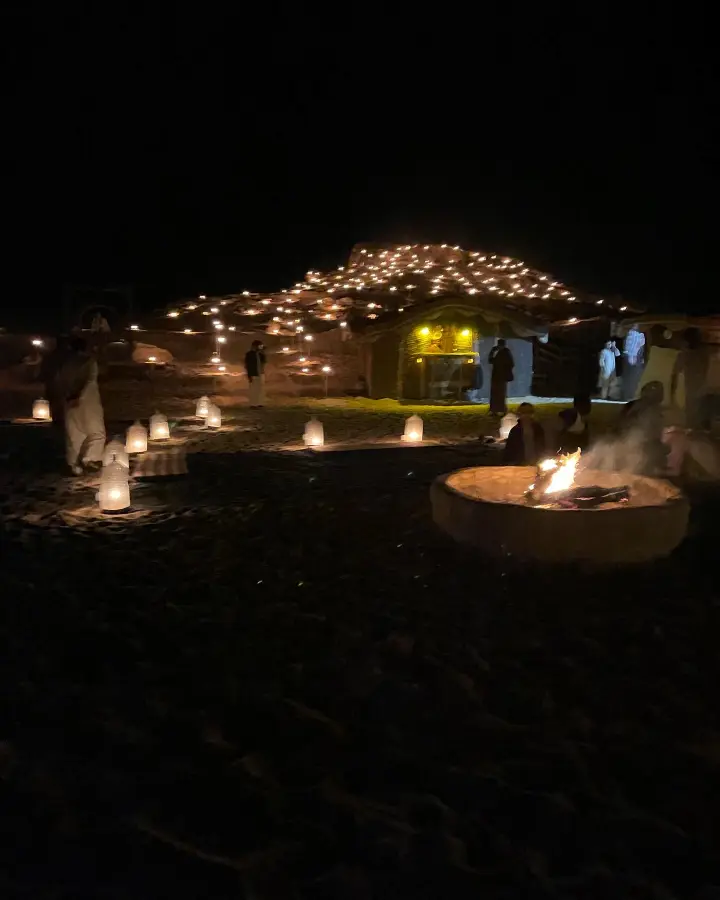
About 20 hours (afternoon to next late morning)
Overnight Desert Camp from Siwa (Private)About US$120 to 220 per person for two travellers
Check dates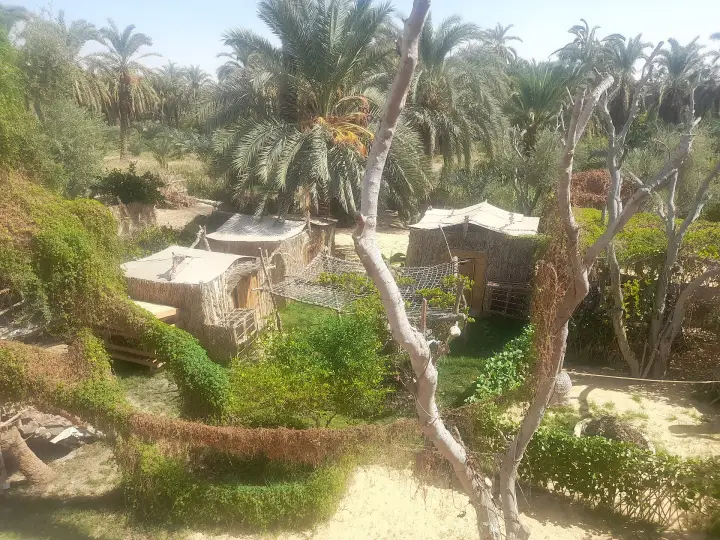
4 days, 3 nights
Siwa in 4 Days: Eco-Lodge and a Night in the Great Sand SeaAbout US$495 to 825 per person for two travellers (the lodge level decides the price)
Check dates