The short answer
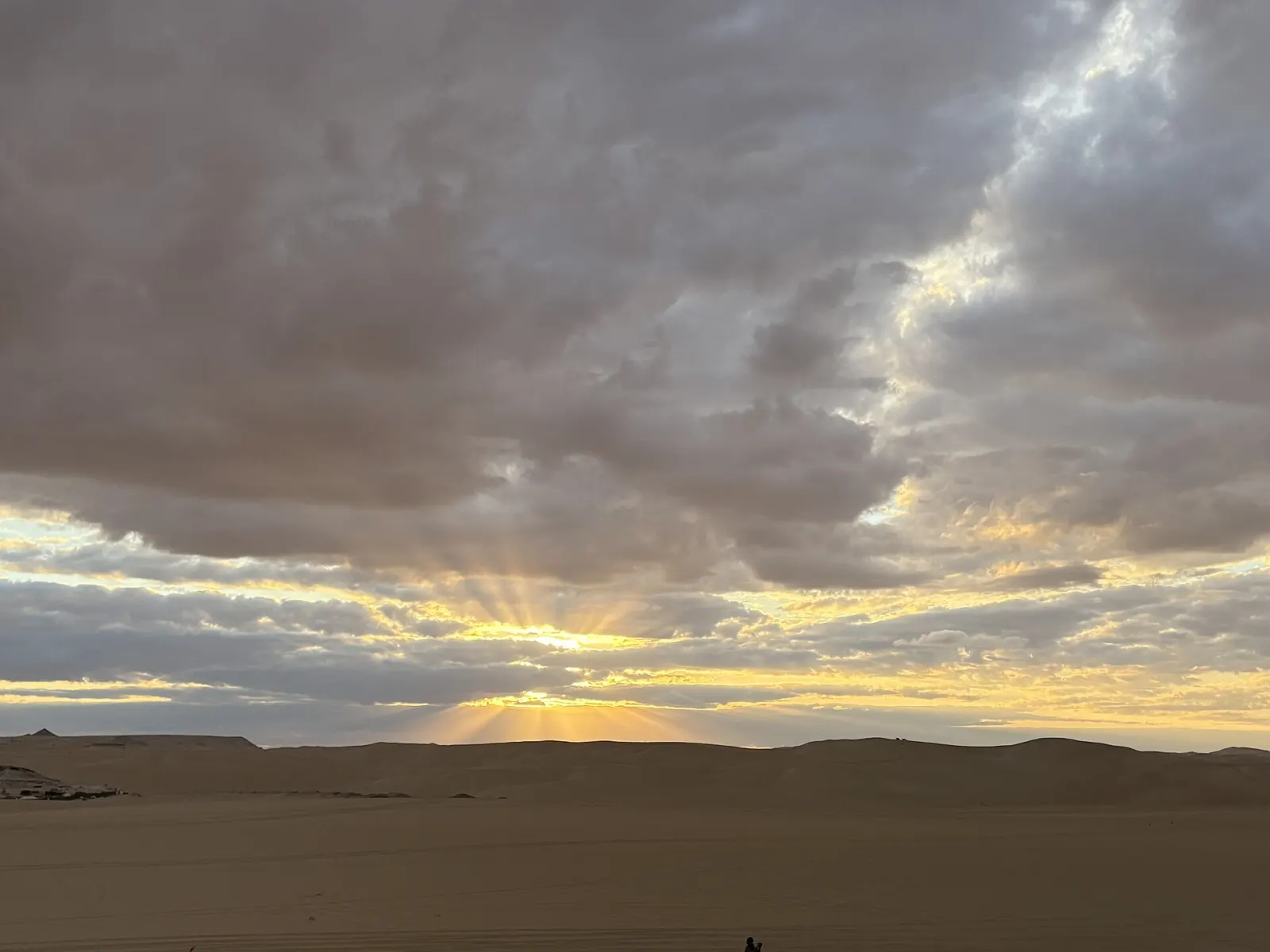
Siwa is a 4x4 desert, not a camel-trek one, but short camel and horse rides can sometimes be arranged locally at the dune edge and through the palm gardens, best in the two hours after sunrise or before sunset. Check that the animals look healthy, rested and watered before you get on, and expect to arrange and pay for a ride separately.
Ask us on WhatsAppRiding in Siwa, in brief
Short answer: set your expectations first. Siwa's desert is explored by 4x4, and our tours do not include rides. What you can arrange is a short camel or horse ride at the edge of the dunes or through the palm gardens, ideally at sunrise or sunset. Choose the handler by how the animals look, not by price.
If you have pictured a caravan crossing the Sahara for days, that is a different place. Our Siwa vs Merzouga comparison explains why Morocco's Erg Chebbi is the classic camel-and-camp desert, while in Siwa most trips use 4x4s, with camel rides as an extra. Camels were once Siwa's link to the outside world: until a tarmac road reached the Mediterranean coast in the 1980s, caravan tracks carried its dates and olives (Siwi people and culture).
What is realistic
| Camel ride | Horse ride | |
|---|---|---|
| Where | The dune edge on the south side of the oasis; ask us where rides run this season | Palm-garden lanes and the dune edge |
| Who leads | A handler walks the camel on a rope | A handler rides or walks alongside |
| Experience needed | None | Some for anything faster than a walk |
| Pace | Slow, swaying walk | Walk; trot or canter only for experienced riders |
| Best time | Sunset or sunrise | Sunrise or sunset |
| Desert permit | Not for the oasis edge | Not for the oasis edge |
| Booking | Arranged locally; ask us | Arranged locally; ask us |
Gebel Dakrour, about 4.5 km by road from the market square, is one place where the palm gardens end and the first dunes begin. Going further, into the open dunes of the Great Sand Sea, is a different matter. UK advice for Egypt is that off-road trips need a qualified guide and a Ministry of Interior permit (FCDO, checked 21 November 2026), and the desert beyond the oasis is not among the FCDO's named exceptions to its western desert advice (FCDO, checked 21 November 2026). A ride should stay within reach of the oasis. For the deep dunes, take a 4x4 safari.
Riding a camel
Short answer: the handler does the work. Your job is to hold on during the two jolts of mounting and dismounting.
The camel kneels for you to climb on. It then stands back legs first, which pitches you forward, then front legs, which pitches you back: lean back, hold the saddle and let your body follow. Getting off reverses the order. Once it is walking, the motion is a slow, rolling sway that most people settle into within a few minutes.
- Wear long, loose trousers; a saddle rubs bare legs.
- Hold the saddle, not the handler's rope.
- Keep a hat on a strap and your phone on a lanyard. Drops from camel height break things.
- One rider per camel, as welfare guidance asks.
Riding a horse
Short answer: say exactly how much you have ridden, and ask to see the horse and its tack before you agree.
A good stable matches the horse to the rider. If you are a beginner, ask for a walk-only ride with the handler alongside, and say so again when you meet the horse. Experienced riders can ask about a trot or canter on firm sand at the dune edge, but let the handler choose where and when to go faster.
- Helmet. Ask whether one is available in your size, or bring your own if it matters to you.
- Footwear. Closed shoes or boots with a small heel, so your foot cannot slide through the stirrup.
- Tack. Look for a saddle and bridle that fit, with no rubbed or bleeding patches underneath.
- Insurance. Check that your travel policy covers horse riding.
When to ride
Short answer: the first two hours after sunrise or the last two before sunset, all year.
Midday sun is hard on riders and animals alike, and ABTA's animal welfare guidelines (checked 21 November 2026) say working animals should not work in the hottest part of the day. Sunrise and sunset times below are for the 15th of each month, Egypt local time, from timeanddate.com as set out on our Siwa weather page. Mean highs are Siwa town's WMO 1961-1990 normals.
| Month | Sunrise | Sunset | Mean high | Ride window |
|---|---|---|---|---|
| January | 07:13 | 17:41 | 19.3 °C | Late morning is fine; or 15:30 to sunset |
| February | 06:57 | 18:07 | 21.5 °C | 16:00 to sunset |
| March | 06:28 | 18:26 | 24.5 °C | Early morning or 16:30 to sunset |
| April | 05:52 | 18:44 | 29.9 °C | Early morning or from 17:00; windiest month |
| May to September | 06:18 to 07:02 | 19:23 to 20:19 | 34.0 to 37.5 °C | First two hours after sunrise or last before sunset only |
| October | 07:19 | 18:48 | 30.5 °C | Early morning or from 17:00 |
| November | 06:41 | 17:23 | 25.0 °C | Early morning or 15:30 to sunset |
| December | 07:04 | 17:21 | 20.5 °C | Late morning is fine; or 15:30 to sunset |
In winter it gets cold quickly after sunset: January nights average 5.6 °C in town, so carry a fleece for the ride back. In April the khamsin wind can fill the air with sand; postpone rather than ride into it.
Checking the animals are well kept
Short answer: if an animal looks thin, lame, sore or exhausted, do not ride it, and say why.
Your choice of handler is the most direct influence you have on how the animals live. ABTA's guidelines for working animals set out the basics, and the welfare charity Brooke suggests questions to ask before riding, including whether the animal can carry your weight and whether you are paying a fair price (both checked 21 November 2026).
| Check | Good sign | Walk away if |
|---|---|---|
| Age | A mature animal | It is very young or very old; ABTA says horses should not work before three and camels should not be ridden before four |
| Condition | Alert, coat and skin intact | Ribs and hip bones stand out, or there are open sores, especially under the saddle or around the nose and mouth |
| Movement | Walks evenly on all four legs | It limps or is reluctant to move |
| Load | One rider, of a weight the animal can carry | Two adults on one animal; ABTA says no more than one person on an equine or camel |
| Water and shade | Water and shade where the animals wait | Animals tied in full sun with nothing to drink |
| Rest | Rested between rides | Back-to-back rides with no break; ABTA calls for at least an hour between working periods |
| Tack | Removed during rest periods, fits well | Tight, rubbing or makeshift tack left on all day |
| Handling | Calm voice, light use of the rope | Beating, jerking or shouting |
| Females | The animal is pregnant or has a young one at foot; ABTA says these should not be ridden |
The same applies to donkey carts, which Wikivoyage lists as one way to get around the oasis (Wikivoyage, checked 21 November 2026): a thin, sore or overloaded donkey is a reason to take a tuk-tuk instead. If you see something that worries you, tell us.
Health and safety
- Hand hygiene around camels. The WHO (checked 21 November 2026) advises anyone visiting places with dromedary camels to wash their hands before and after touching animals and to avoid contact with sick animals. It says people with diabetes, kidney failure, chronic lung disease or a weakened immune system are at high risk of severe MERS and should avoid contact with camels; if that is you, skip the camel ride.
- Pregnancy. The NHS advises against activities with a risk of falling during pregnancy. Riding carries that risk, so skip it.
- Backs and hips. Mounting a camel and a long sway in the saddle are hard on bad backs and hips. Start with a short ride.
- Sun and sand. Wear a hat, sunglasses and a scarf you can pull over your nose and mouth.
- Water. Carry your own.
- Medical help. Know where the nearest help is; see health and pharmacies in Siwa.
Children
Children who can sit securely can ride their own led camel, with a parent walking alongside. For horses, a calm pony led on a rope is the safe start, with a helmet. Keep the first ride short, and stop as soon as a child is tired, cold or frightened.
What to wear and bring
- Long, loose trousers and closed shoes
- A sun hat on a strap, sunglasses and a scarf
- A fleece for after sunset from November to March
- Water, sunscreen and hand gel
- Cash in small Egyptian pounds if you plan a tip
- A small bag you can wear across your body
The full list is on our Siwa packing list, and dress in the oasis is covered in what to wear in Siwa.
Costs
No official price list exists for rides in Siwa, and rides are not part of our standard tours, so we do not quote a figure here. Ask us for a current price for your dates. Whoever you book with, agree three things before you get on: the price per person, how long the ride lasts, and whether a guide or tea is included.
Other ways to see the dunes
If a ride does not suit you, or the animals do not look right, the dunes are just as good from other angles:
- By 4x4. Our Great Sand Sea safari covers dune driving, sandboarding, fossil shells, a warm spring and sunset in about five hours.
- On foot. Climb Gebel Dakrour in the last hour of daylight for the view over palms and sand.
- Overnight. Sleep out in the dunes on our overnight desert camp.
- By bike or tuk-tuk. The palm lanes and springs are flat and close together; see getting around Siwa.
Add a ride to a trip
Tell us when you book that you would like a sunrise or sunset ride, which animal, and the riders' ages and experience, and we will tell you what is available for your dates. More ideas are on things to do in Siwa. Contact us, or browse all tours.
Questions people ask
Can you go on a camel trek into the Great Sand Sea from Siwa?+
Not as a standard trip. Dune trips from Siwa are run by 4x4, and going beyond the oasis needs a qualified guide and a Ministry of Interior permit. Rides are short outings at the dune edge and in the palm gardens.
Do I need riding experience?+
Not for a camel led on foot by its handler. For a horse, tell the stable your level honestly; beginners should ask for a walk-only ride on a calm horse with the handler alongside.
What time of day is best for a ride?+
The first two hours after sunrise or the last two before sunset. On the 15th of the month sunset is at 17:21 in December and 20:19 in July. Animal welfare guidance says working animals should not be worked in the hottest part of the day.
How do I know the animals are well treated?+
Look for animals that are alert, carry no open sores, can stand and walk evenly, and have water and shade. ABTA guidance says one rider per animal, no very young, old, pregnant or nursing animals, and loads that suit the animal.
How much does a camel or horse ride cost in Siwa?+
There is no published price list, and rides are not part of our standard tours. Ask us for a current quote for your dates, and agree the price, the length and what is included before you set off.
Can children ride?+
Children who can sit securely can usually ride a led camel with an adult walking beside them, or a calm pony led by the handler. Ask for a short ride first and make sure a helmet is available for horses.
Go with us
Trips that include this
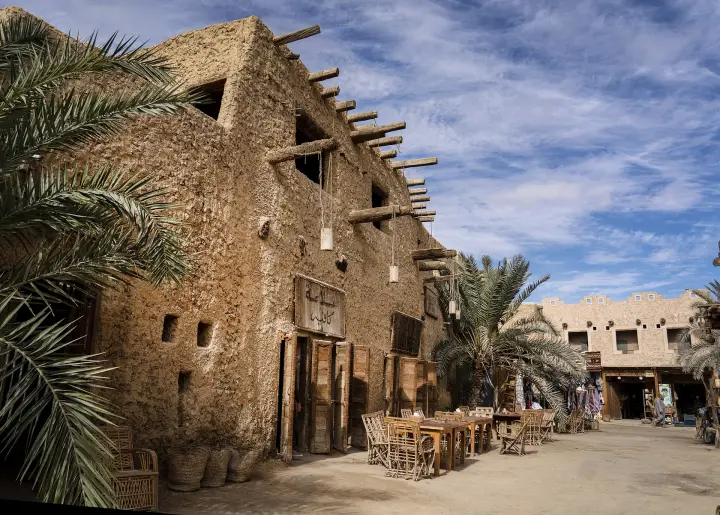
3 days, 2 nights
Siwa Oasis in 3 Days from Cairo (Private Trip)About US$420 to 650 per person for two travellers
Check dates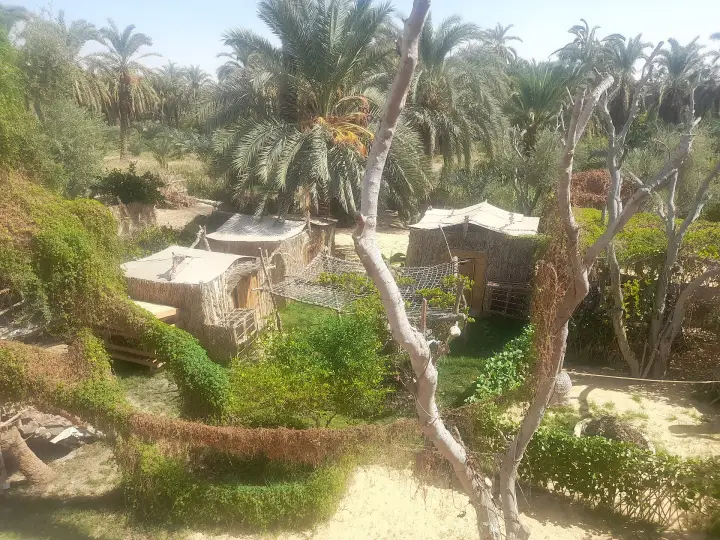
4 days, 3 nights
Siwa in 4 Days: Eco-Lodge and a Night in the Great Sand SeaAbout US$495 to 825 per person for two travellers (the lodge level decides the price)
Check dates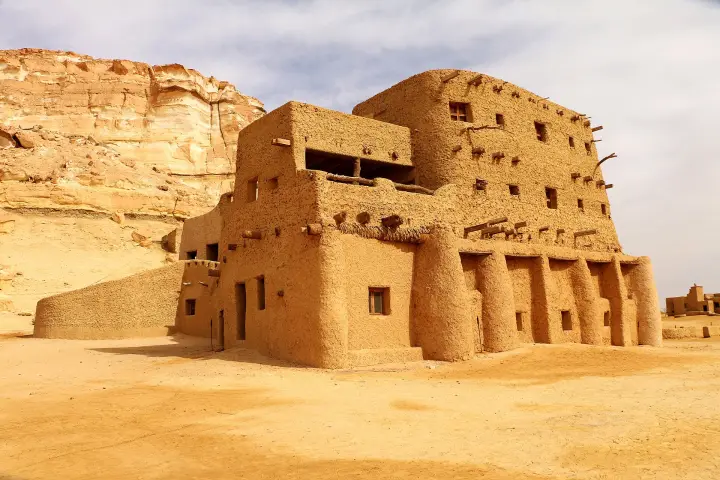
4 to 5 days (3 or 4 nights in Siwa)
Luxury Siwa: Candlelit Eco-Lodge EscapeOn request (depends on the lodge and season)
Check dates