19 guides
Things to do
The places worth the drive, and how to see them well.
Siwa's sights sit close together: most are within about 5 km of the market square, so a bike or tuk-tuk reaches them. Pick by mood: ancient sites in the morning, a spring or salt pool at midday, a viewpoint at sunset. The salt pools and Abu Shuruf need a car, the dunes a 4x4. Start with the complete list, then open the guide for each place.
Start here
Short answer: Siwa is a compact oasis. Most of what you come to see fits into two or three full days, travelling by bike or tuk-tuk, with one car trip for the salt pools.
This hub collects every Siwa guide about sights and activities. If you want one page that ranks the lot, read things to do in Siwa. If you already know what you like, the table below sends you straight to the right guide.
Siwa is about 750 km from Cairo by road: about 9 hours of driving, or about 10 hours with stops. That drive eats most of your arrival and departure days, so count full days in the oasis when you plan. For trip length, see how many days in Siwa.
Which guide do you need?
Short answer: Match what you want from the day to the guide in the right-hand column.
| If you want | Go to | Getting there from the market square |
|---|---|---|
| The one famous ancient site | Oracle Temple of Amun | 2.5 km east, bike or tuk-tuk |
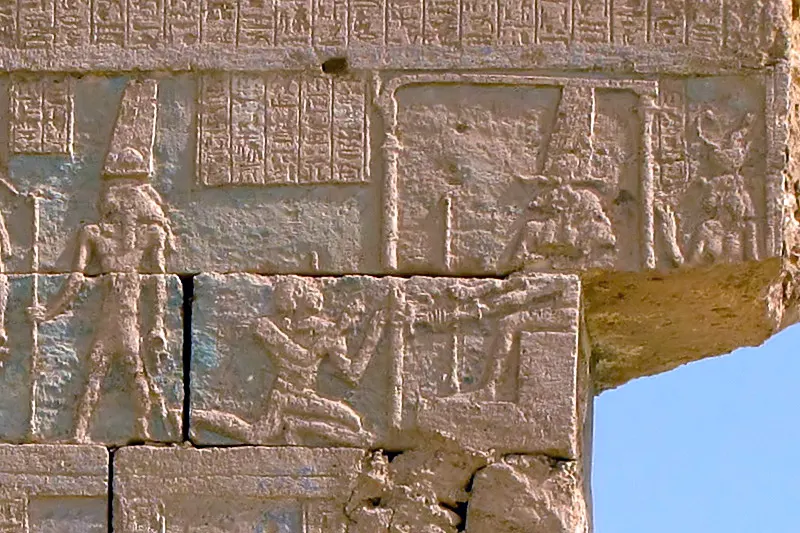
| A carved temple wall on the same trip | Temple of Umm Ubayda | 400 m south of the Oracle Temple |
| Painted tombs | Gebel al-Mawta | About 1 km north |
| The old mud-salt town and its view | Shali Fortress | In the centre |
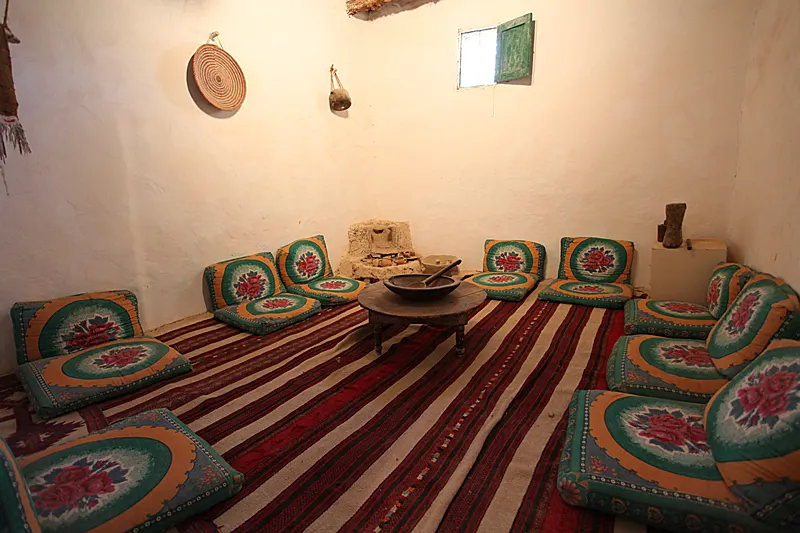
| How Siwans lived at home | Siwan House museum | About 260 m on foot |
| A freshwater swim | Cleopatra Spring, or every pool compared in springs of Siwa | 3.4 km east-south-east |
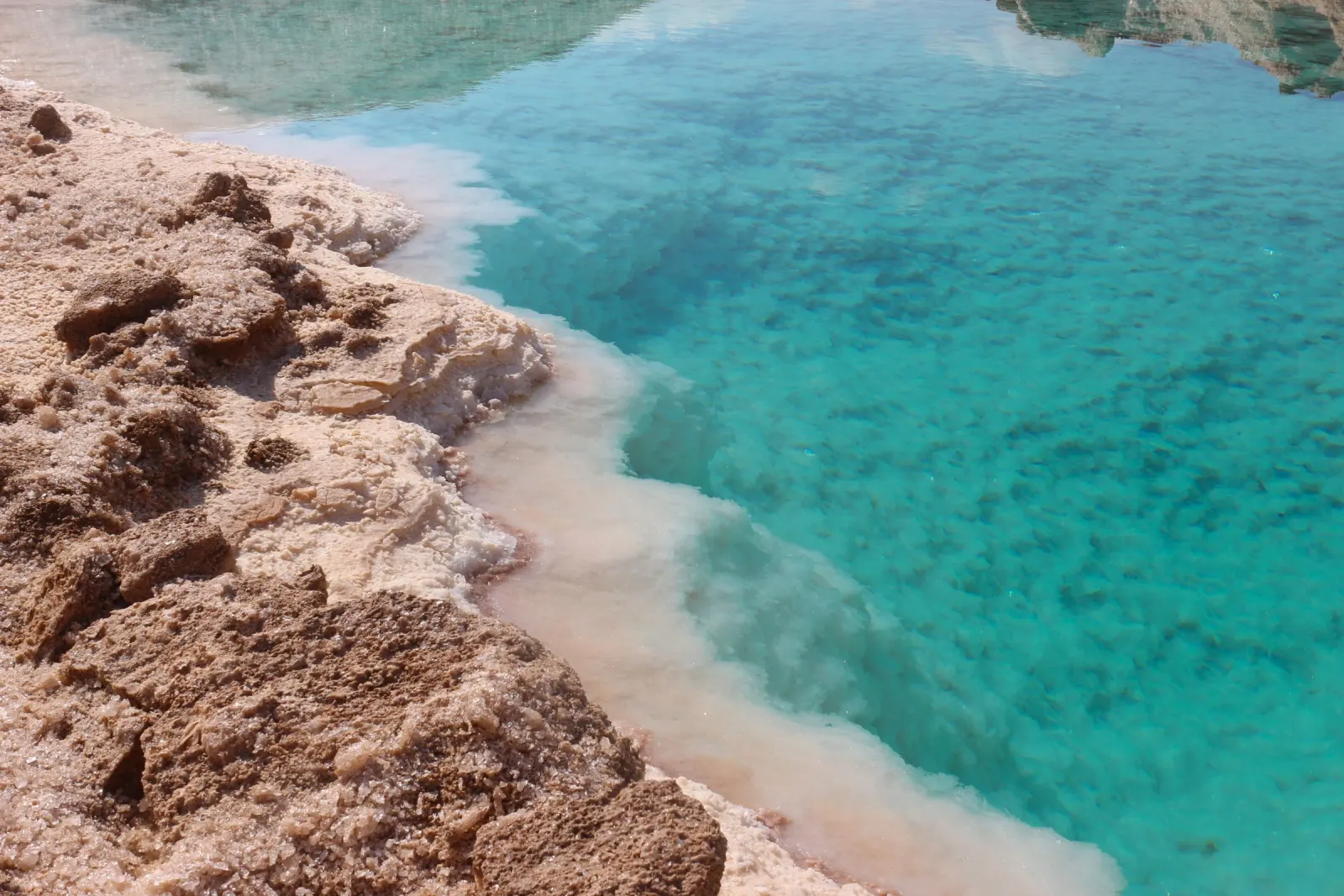
| To float effortlessly | Siwa salt lakes | 10 to 20 minutes by car |
| Quiet water and ruins away from town | Abu Shuruf and Zeitoun | 27 to 34 km east, half a day |
| A sunset over water | Fatnas Island and Lake Siwa | About 4.5 km west by road |
| A sunset from a ridge | Gebel Dakrour | About 4.5 km south-east |
| A traditional summer treatment | Sand baths | At Gebel Dakrour, July to mid-September |
| Plans for after dark | Evenings in Siwa | Around town |
| The best pictures | Photography spots | All over the oasis |
Distances are the ones given in each linked guide. For a visual layout, open the Siwa map; for bikes, tuk-tuks and drivers, see getting around Siwa.
How to group the sights
Short answer: Think in four directions from the market square: centre, east, west and south-east. Each makes an easy half day.
- Centre: the Siwan House museum, the lanes of Shali and, a short ride north, the tombs of Gebel al-Mawta, a hill with dozens of rock-cut tombs (Wikipedia, checked 19 November 2026), used mainly in Ptolemaic and Roman times.
- East: the Oracle Temple at Aghurmi, Umm Ubayda and Cleopatra Spring sit in a line, so a morning there ends with a swim.
- West: Fatnas and the shore of Lake Siwa, best in the last hour of daylight.
- South-east: Gebel Dakrour, for a climb before sunset.
The salt pools, Abu Shuruf and the dunes sit outside this circle. The Great Sand Sea is an afternoon by 4x4 with a licensed driver; ask us about our trips and current prices.
When each thing is at its best
Short answer: Ruins in the morning, water at midday, viewpoints at sunset. A few activities depend on the month.
| Activity | Best time of day | Season notes |
|---|---|---|
| Temples, tombs, museum | Morning, when the light is soft and sites are quiet | All year; confirm museum hours the day before |
| Springs and salt pools | Late morning to mid-afternoon | Springs are busiest after dark in summer |
| Fatnas, Shali, Dakrour | The last hour before sunset | Sunset is about 17:21 in mid-December and 20:18 in mid-June |
| Sand baths | After lunch, in the hottest hours | July to mid-September; July and August are the core |
| Siyaha festival | Three days | Around October's full moon, at Gebel Dakrour |
| Flamingos on Lake Siwa | Early or late | Winter |
Sunset times come from our photography guide. For the weather in each month, see Siwa weather and the best time to visit.
Before you go
Short answer: Dress modestly for the water, carry small cash for tickets and cafés, and keep cameras away from local women and children.
Siwa has about 200 natural springs (Wikipedia, checked 19 November 2026), and swimming in them is the main way to cool off, but Siwa is a conservative town. At public pools, swim in a T-shirt and shorts over your swimsuit; what to wear in Siwa has the detail. Salt water stings, so rinse with fresh water after floating. Entry fees at the ancient sites change, so check them at the gate.
If you want a driver, a guide for the ruins or a day built around one of these guides, tell us your dates on our contact page.
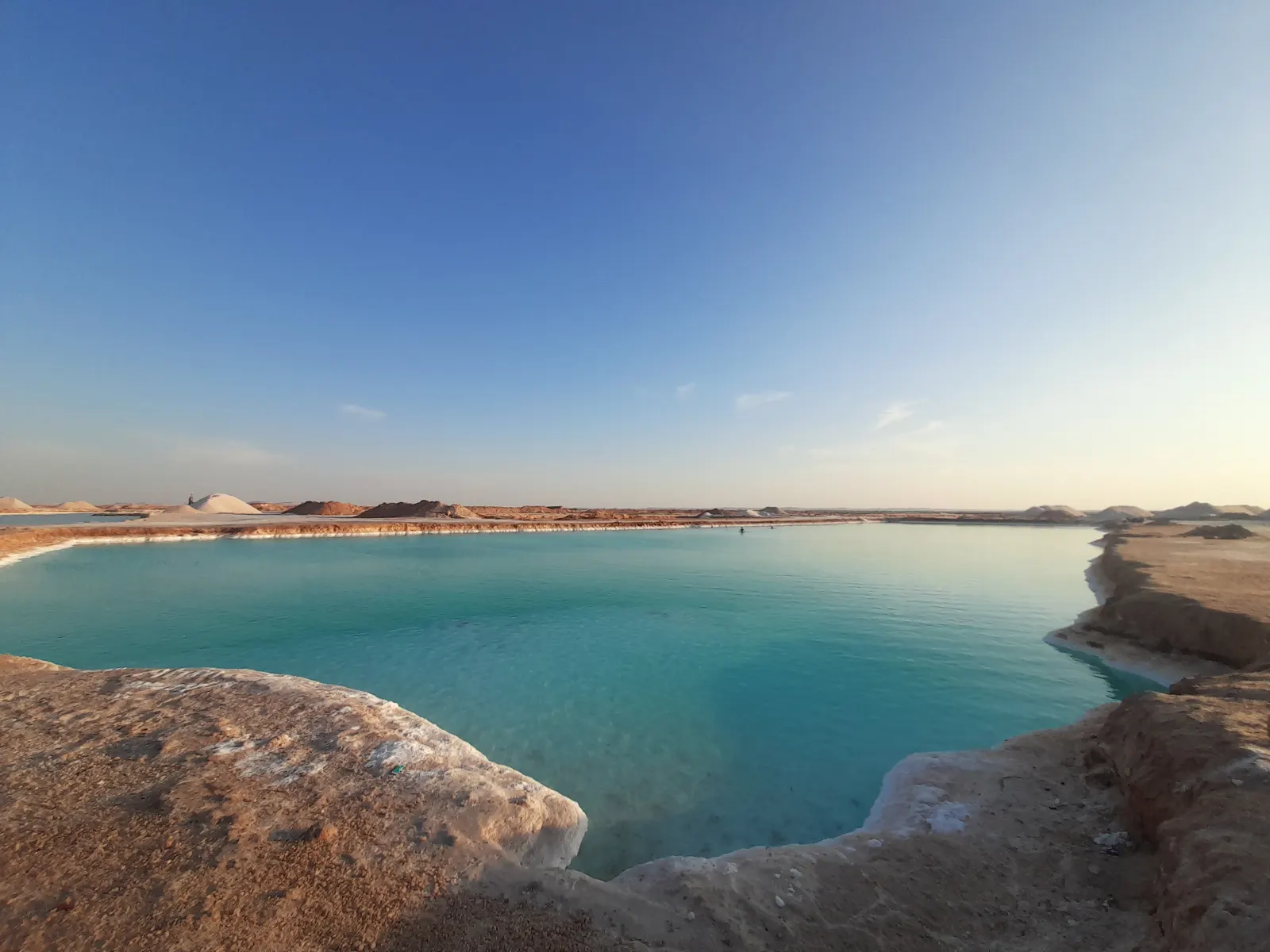 Start here · 7 min readSiwa Salt Lakes: Floating in Turquoise WaterRead the guide
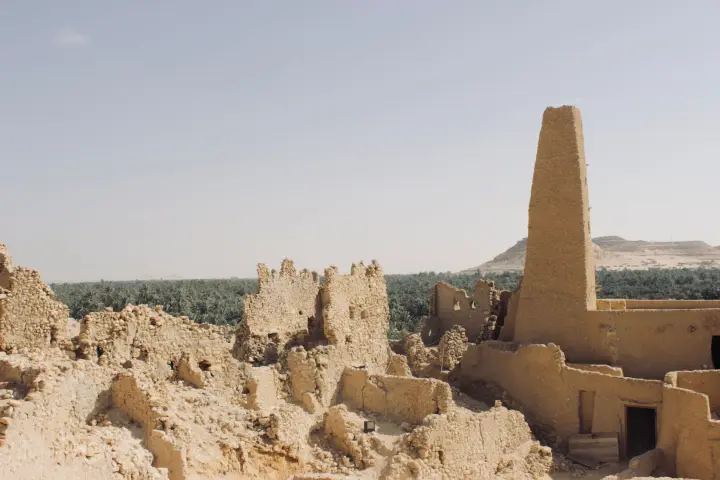 Popular · 6 min readThe Oracle Temple of Amun in Siwa (Aghurmi)Read the guide
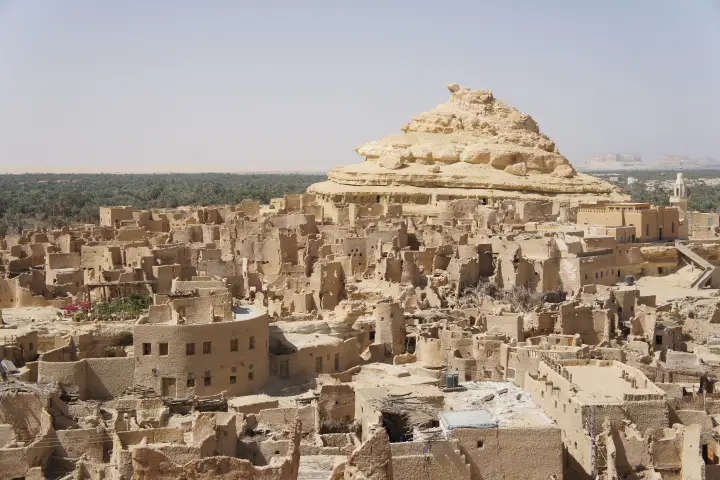 Popular · 6 min readShali Fortress, Siwa: History and Visiting TipsRead the guide
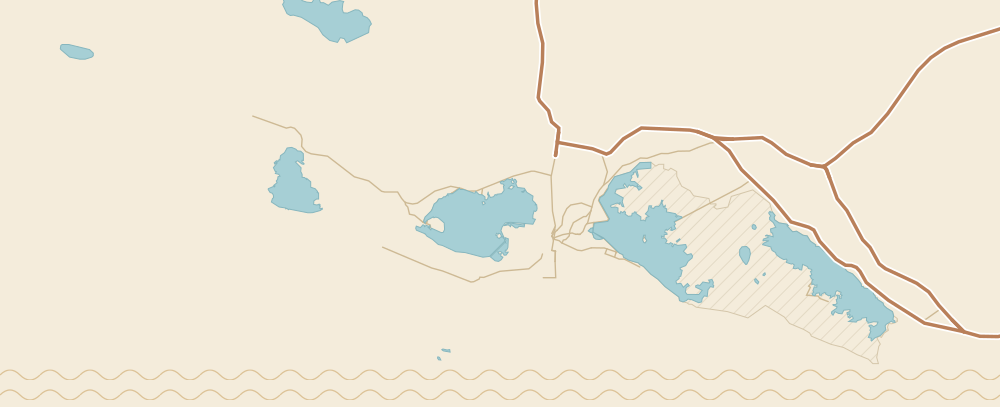
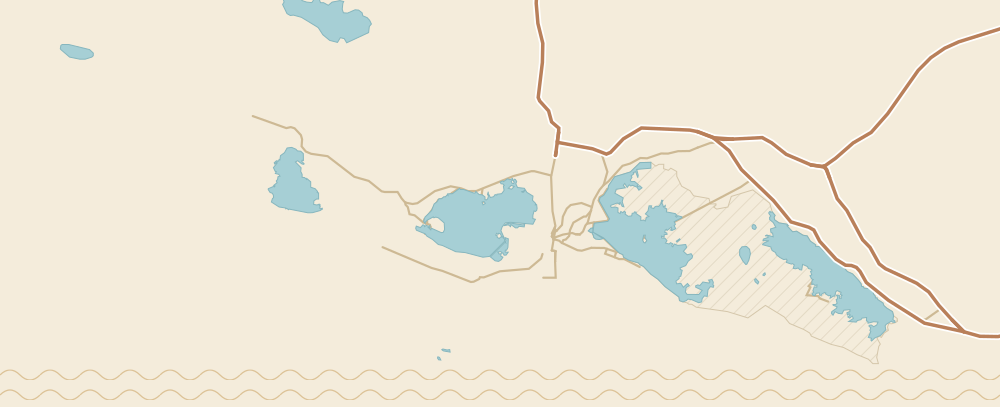
Map of the oasis
Close-up: around Siwa town
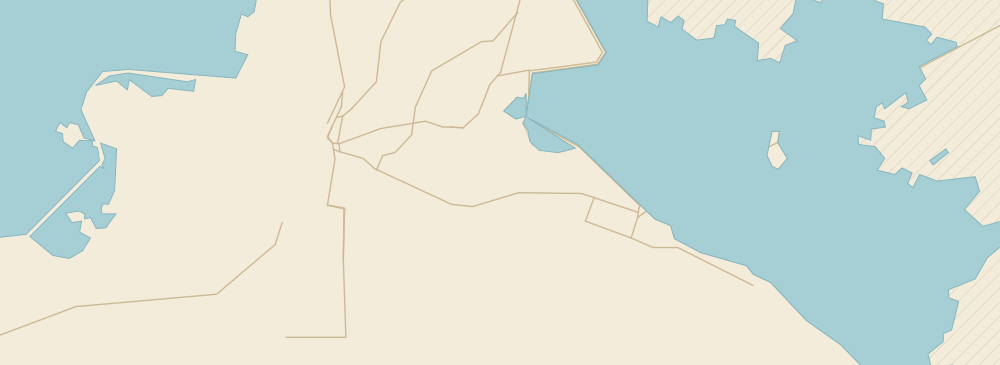
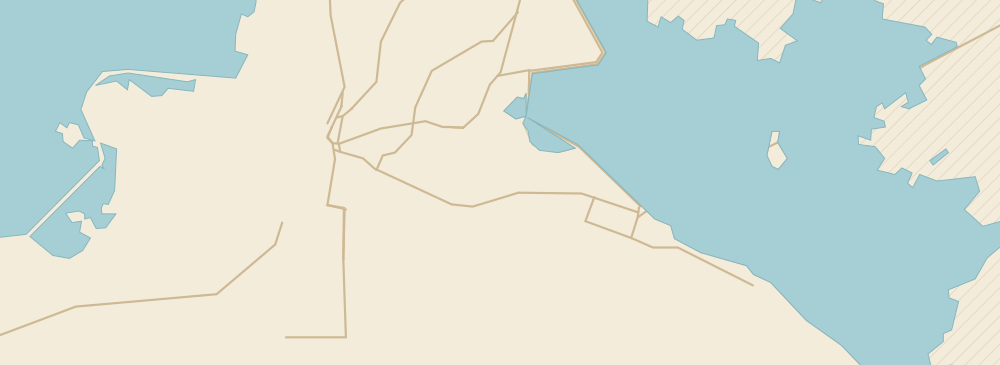
Lakes and roads drawn from OpenStreetMap; pin positions are approximate. The salt flats (hatched) dry out and flood with the seasons. Map data © OpenStreetMap contributors, ODbL.
More guides
8 min read
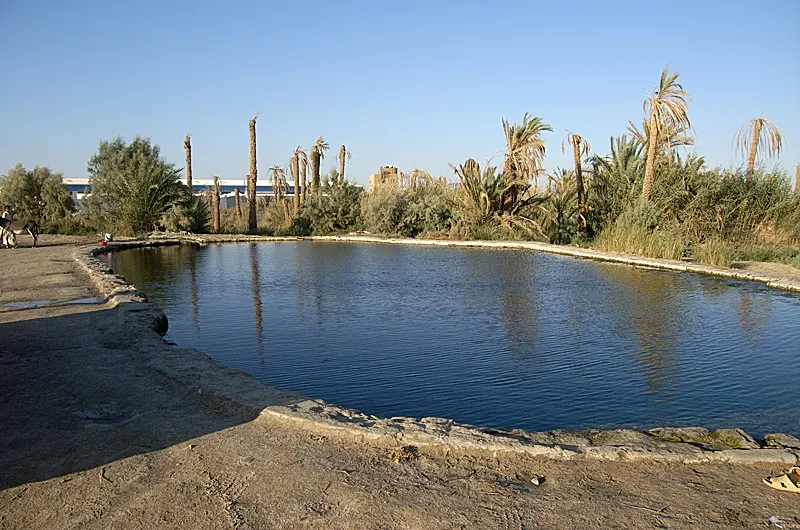
Abu Shuruf and Zeitoun: Siwa's Eastern Springs and Ruins
Abu Shuruf is a deep, clear spring pool in a village on Lake Zeitoun, about 27 to 34 km by road east of Siwa's market square. Zeitoun, at the lake's far end, has a ruined 19th-century village partly built over a Roman-era cemetery. Allow a half-day by car or 4x4 and leave by 08:00; ask us about permits.
11 min read
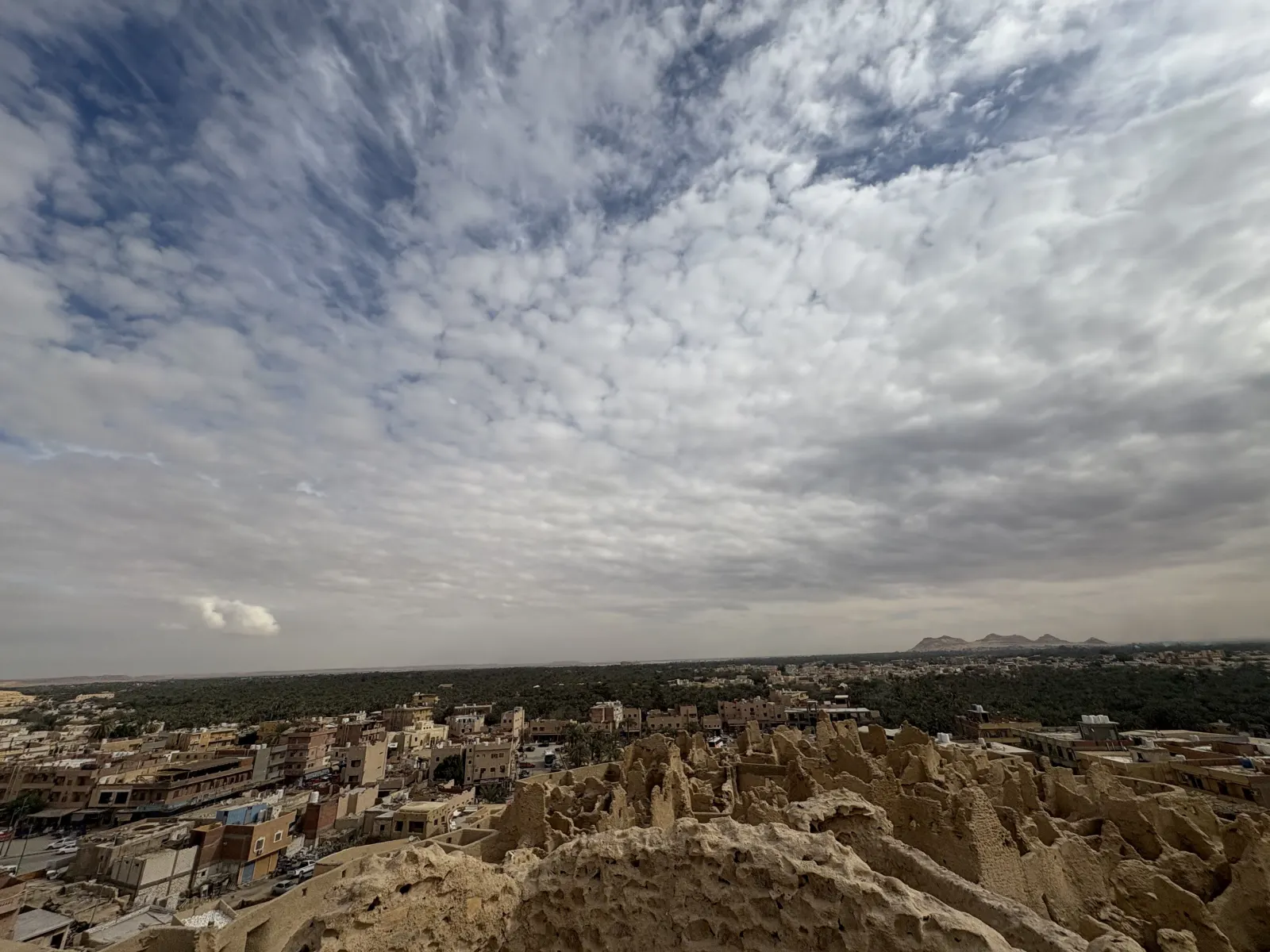
Best Photography Spots in Siwa
Plan Siwa photography around a short window of good light: sunset falls at about 17:21 in mid-December and 20:18 in mid-June, and dusk fades within 30 minutes. Shoot Shali at sunset and blue hour, the salt pools late morning, Fatnas at sunset, dunes in low side light and the Milky Way near new moon. Never photograph Siwan women or children, and leave your drone at home.
10 min read
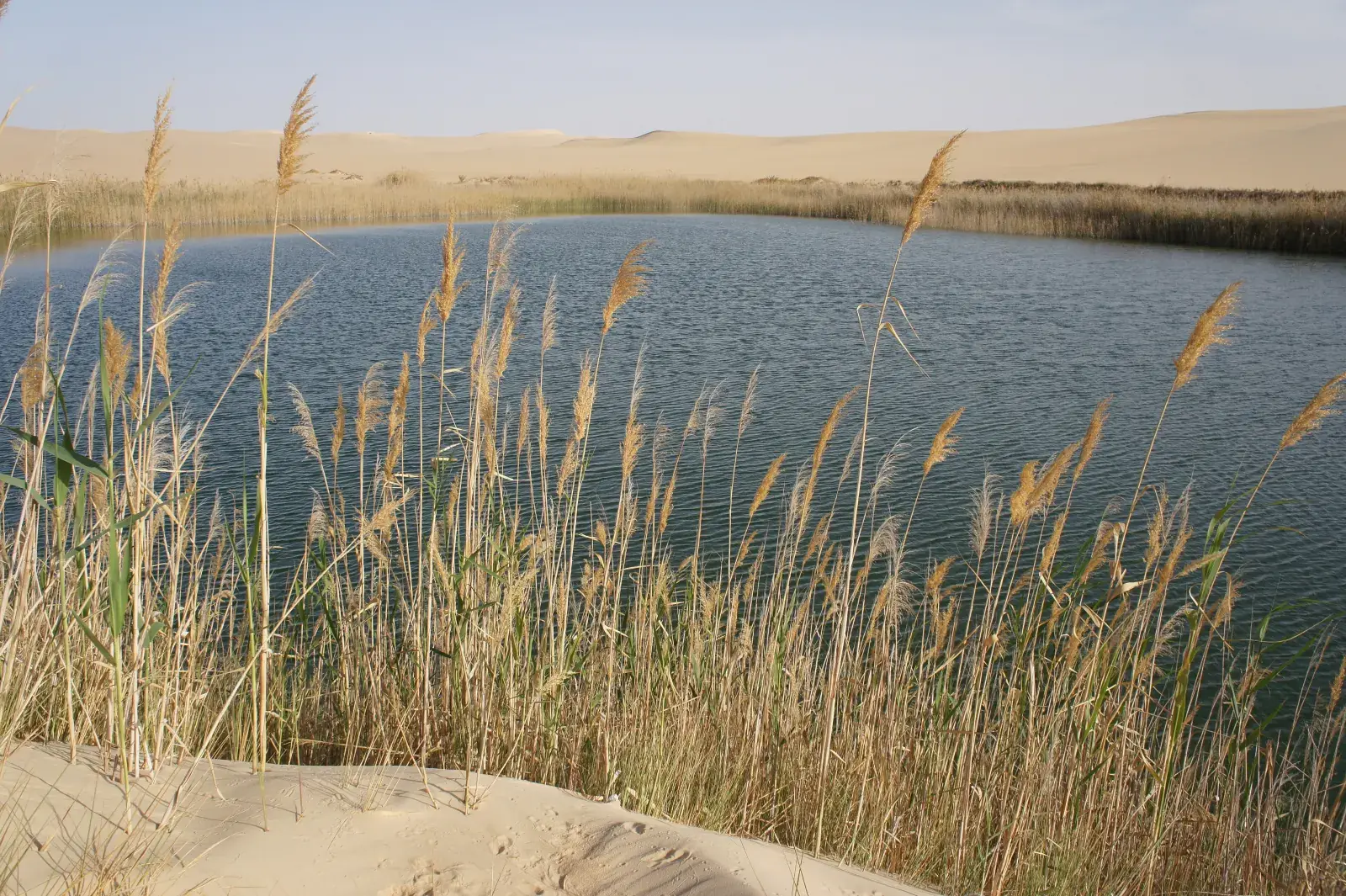
Bir Wahed, Siwa: Hot Spring and Cold Lake in the Dunes
Bir Wahed is a warm spring pool, about 30°C, with a cold freshwater lake beside it, set in the dunes about 12 km south-west of Siwa's market square in a straight line. No road reaches it: you go by 4x4 with a licensed driver and a desert permit, usually on an afternoon Great Sand Sea safari that ends at sunset.
5 min read
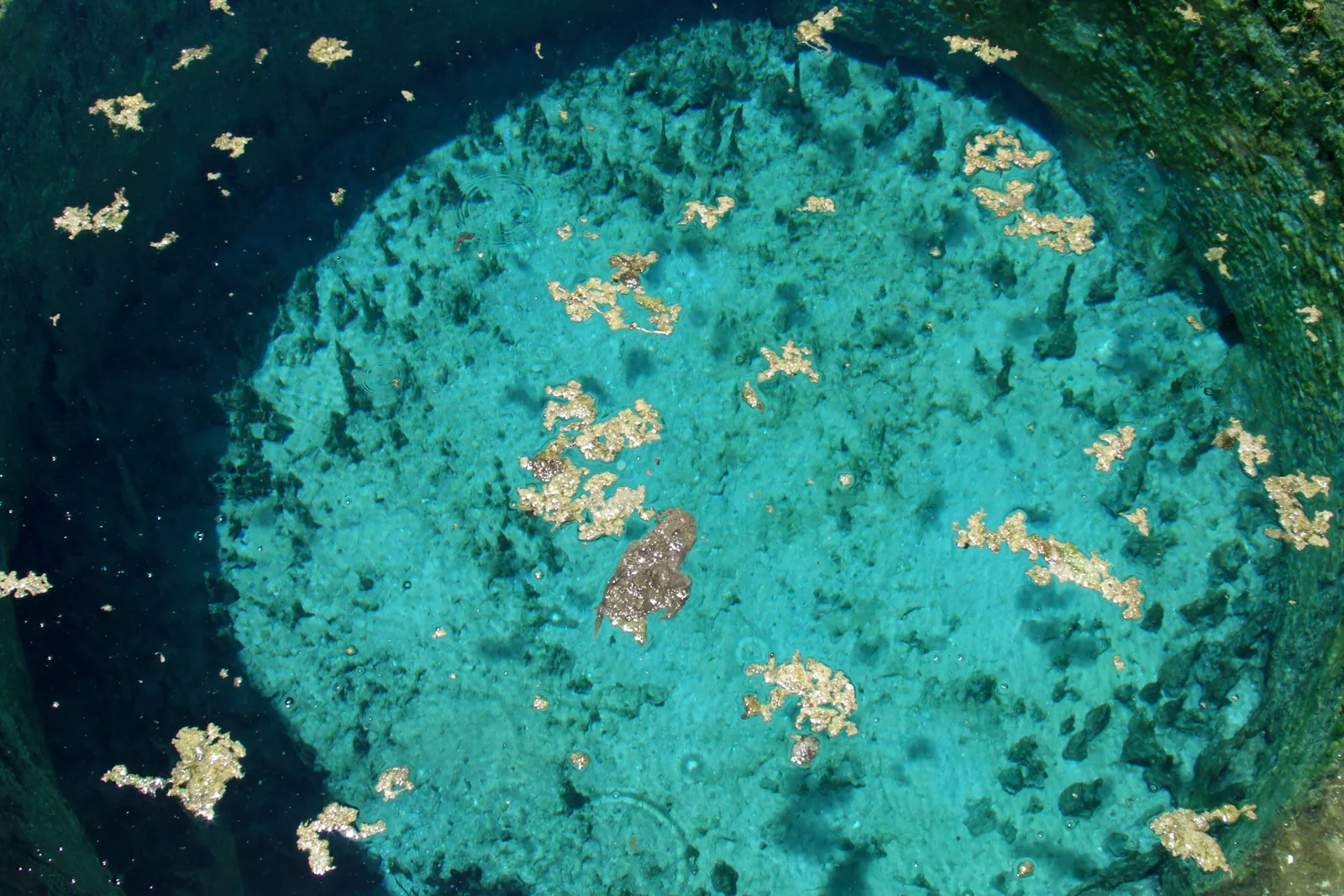
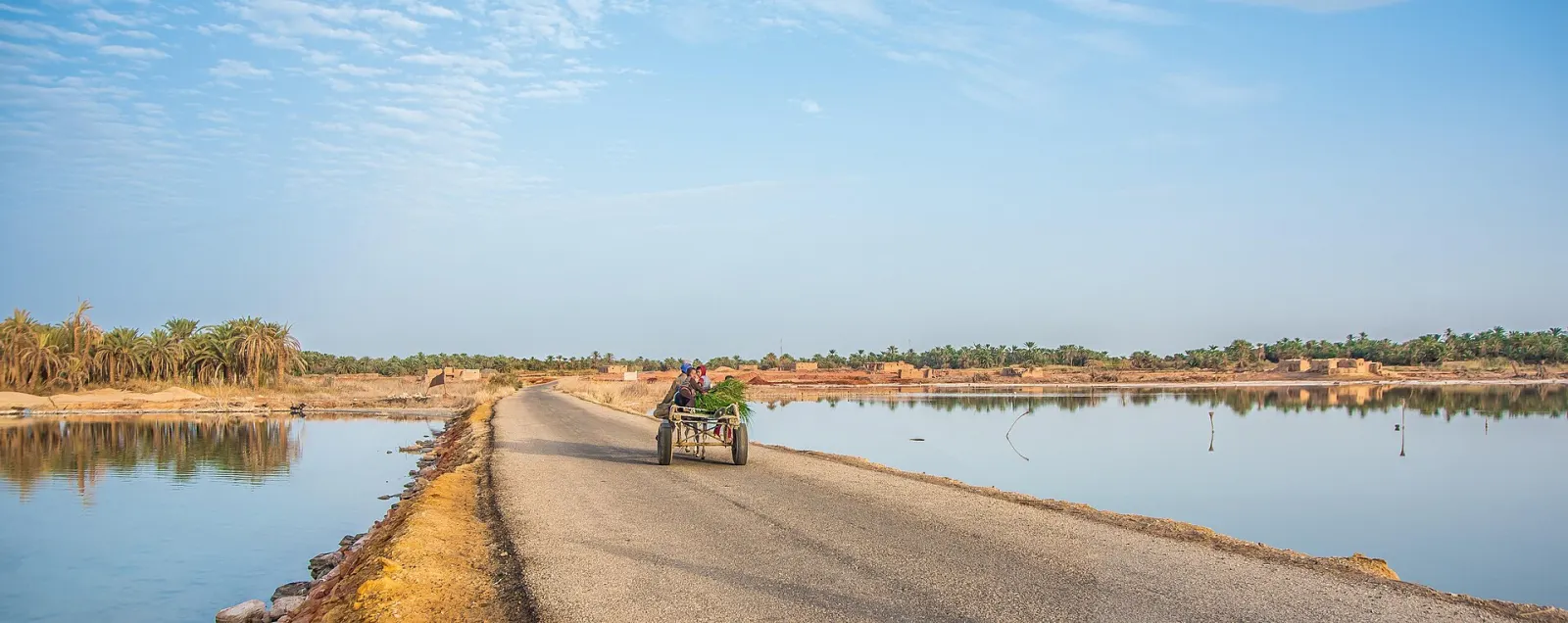
Cleopatra Spring, Siwa: Swimming in an Ancient Pool
Cleopatra Spring is a round stone-lined pool fed by a natural spring, about 900 m south of the Temple of Umm Ubayda. The water is clear, deep and steady at about 29°C all year. There is no evidence Cleopatra ever came, but the name stuck. Swim in a T-shirt and shorts over your swimsuit, and go early or late to avoid the busiest hours.
11 min read
Cycling in Siwa: Bike Routes, Distances and Timing
Siwa is flat and compact, so a bike reaches almost every sight. From the market square, the Oracle Temple is 2.5 km by road, Cleopatra Spring 3.4 km, Gebel Dakrour 4.5 km and Fatnas 4.7 km. The classic eastern loop is about 9 km, or 12 km with Dakrour. Ride early or before sunset, and carry water and a light.
8 min read
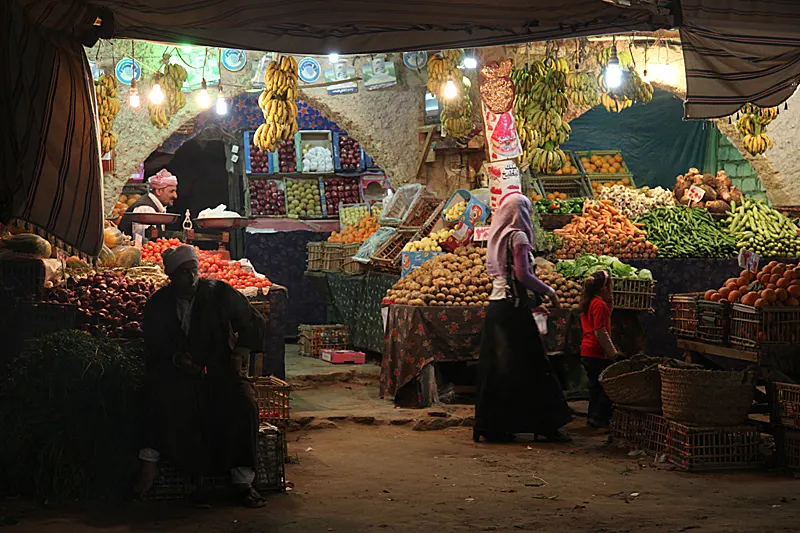
Evenings in Siwa: What to Do After Sunset
Siwa evenings are calm and early. Watch sunset from Fatnas (about 4.7 km from the market square), Shali or Gebel Dakrour, walk around Shali as the light goes, then eat near the square. In summer, springs such as Cleopatra are busy after dark. For stars, pick a night near the new moon and leave town. There are no bars and no alcohol is sold.
6 min read
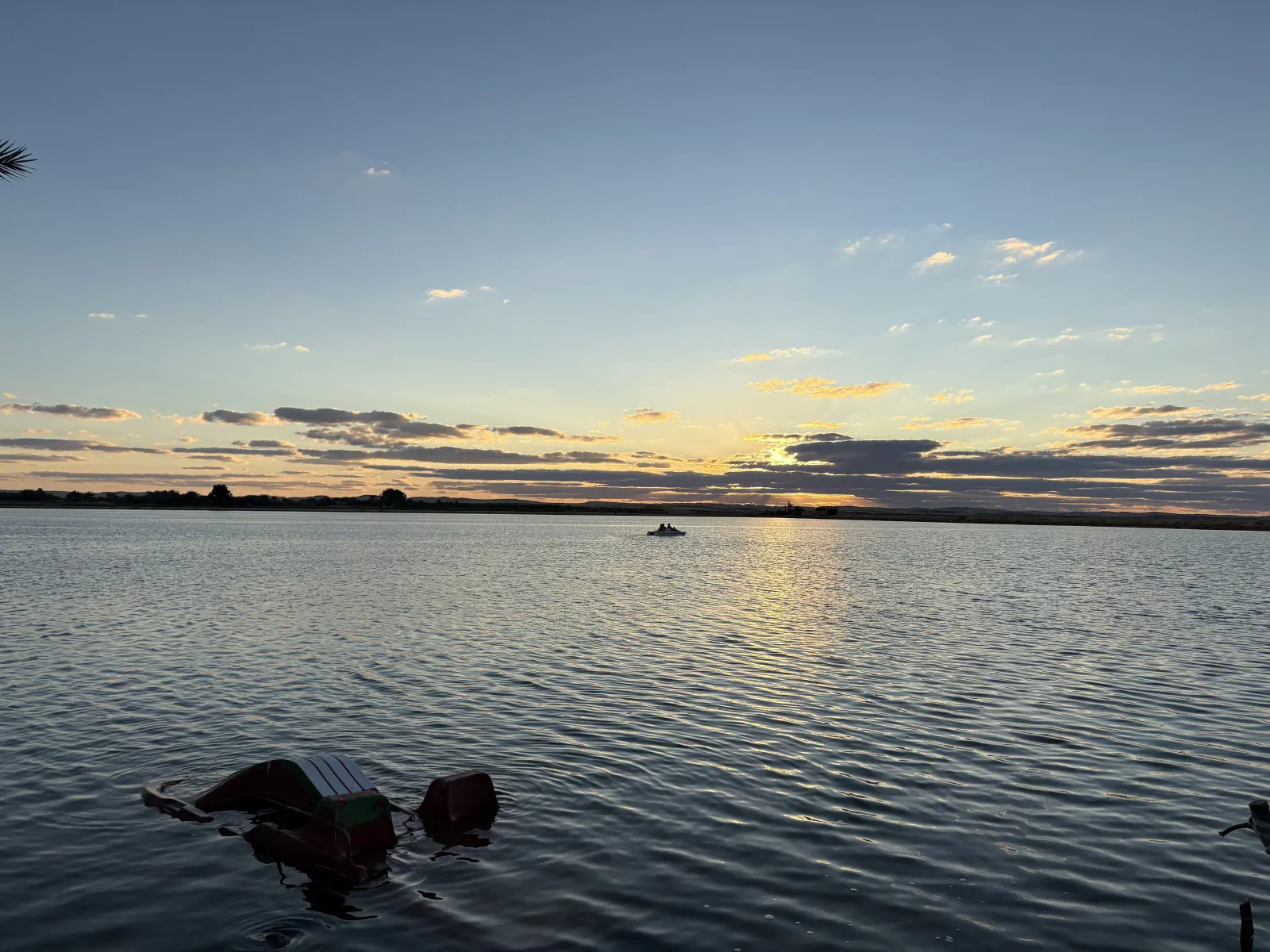
Fatnas Island: Siwa's Classic Sunset Spot
Fatnas, sometimes called Fantasy Island, is a palm-covered spit of land on the edge of Lake Siwa, with a small spring pool and simple cafés. It is the classic place to watch the sun go down over the salt lake and the desert hills beyond. Arrive about an hour before sunset with a bike, tuk-tuk or car, and stay for tea as the colours change.
6 min read
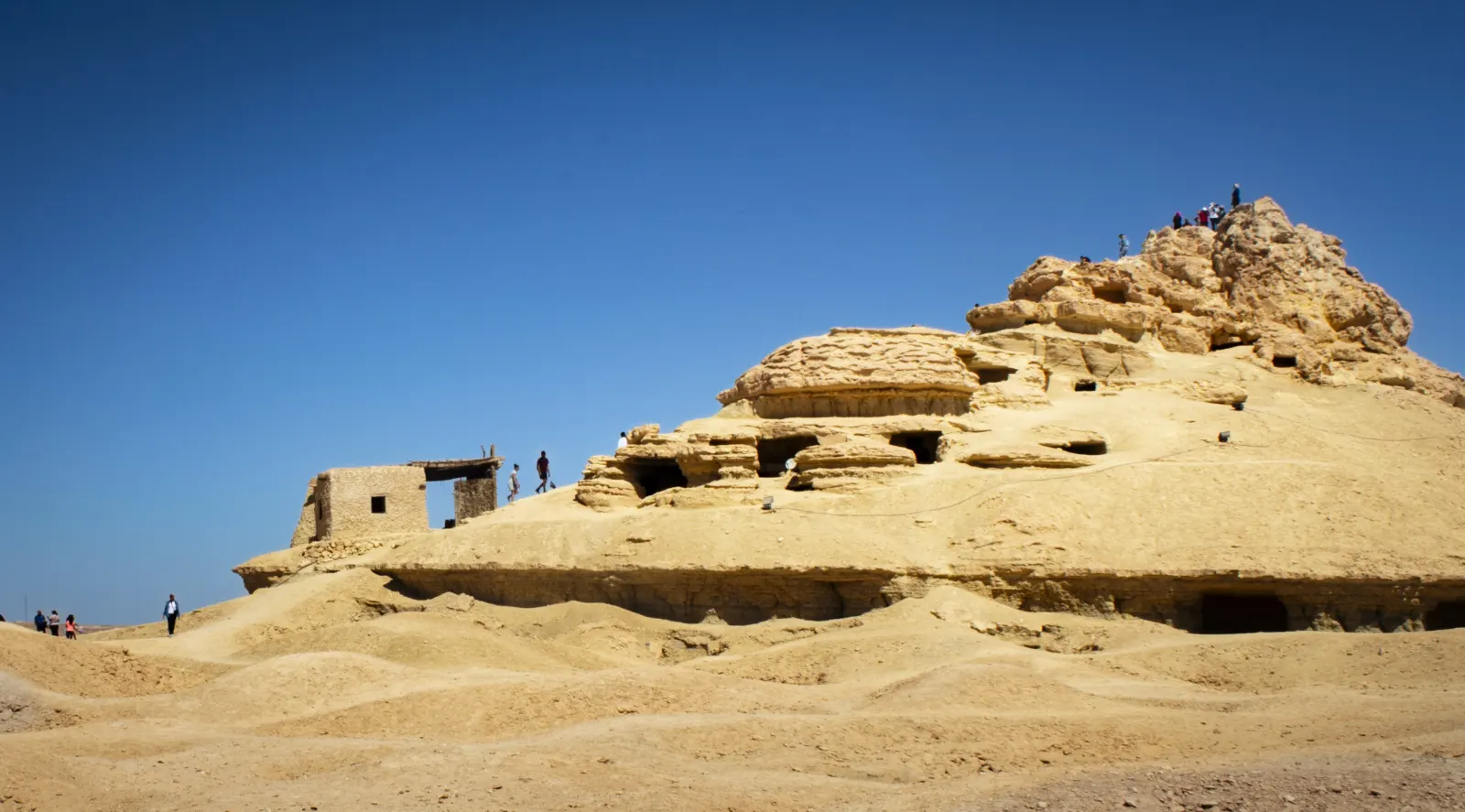
Gebel al-Mawta: The Mountain of the Dead in Siwa
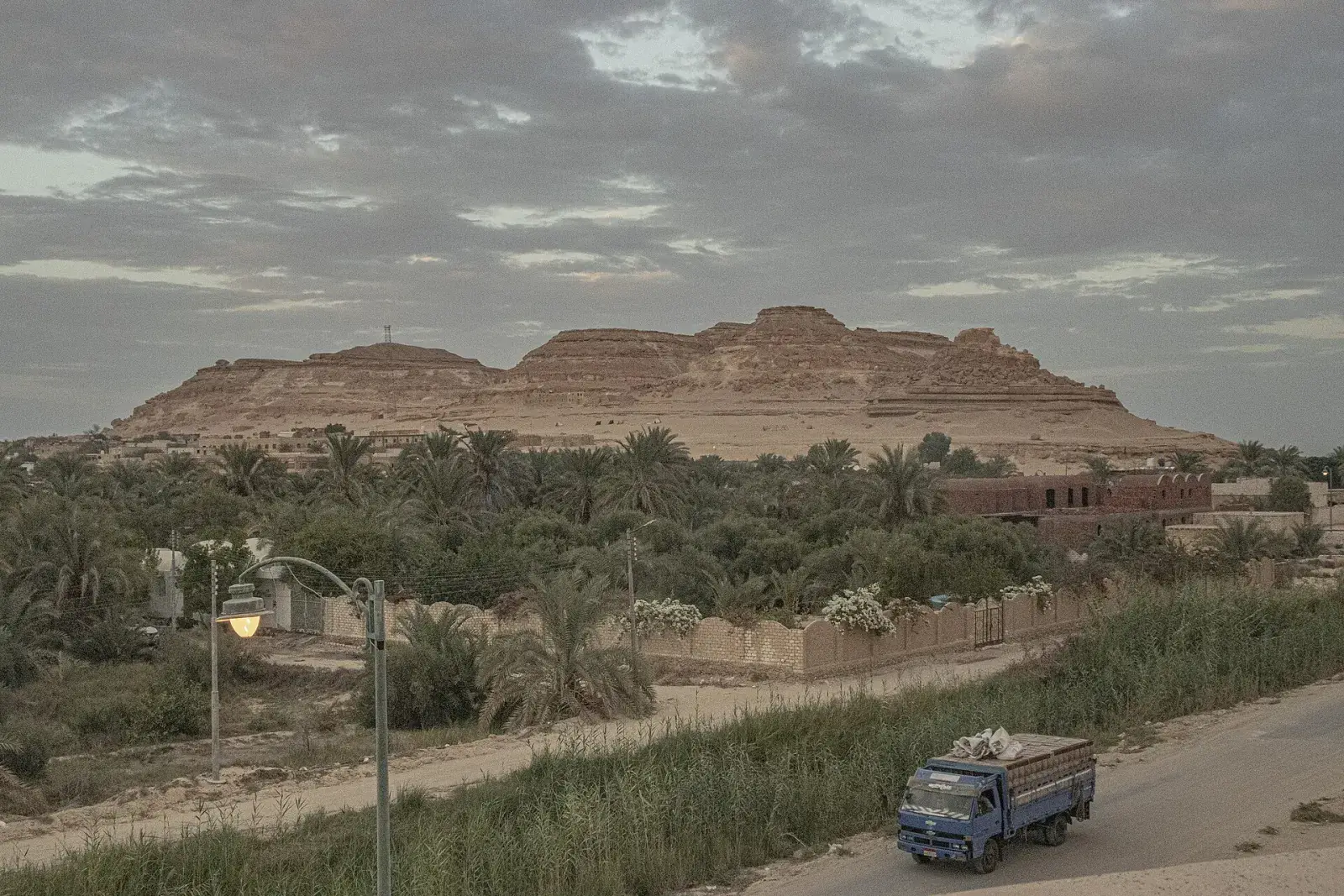
Gebel al-Mawta, the Mountain of the Dead, is a limestone hill about 1 km north of Siwa's market square, cut with rock tombs used mainly in Ptolemaic and Roman times. A few keep wall paintings, the finest being the Tomb of Si-Amun, where a bearded, Greek-looking owner stands among Egyptian gods. Tickets were EGP 120 for foreigners on the ministry's list. Allow 45 minutes.
7 min read
Gebel Dakrour, Siwa: Sand Baths, Siyaha and the View
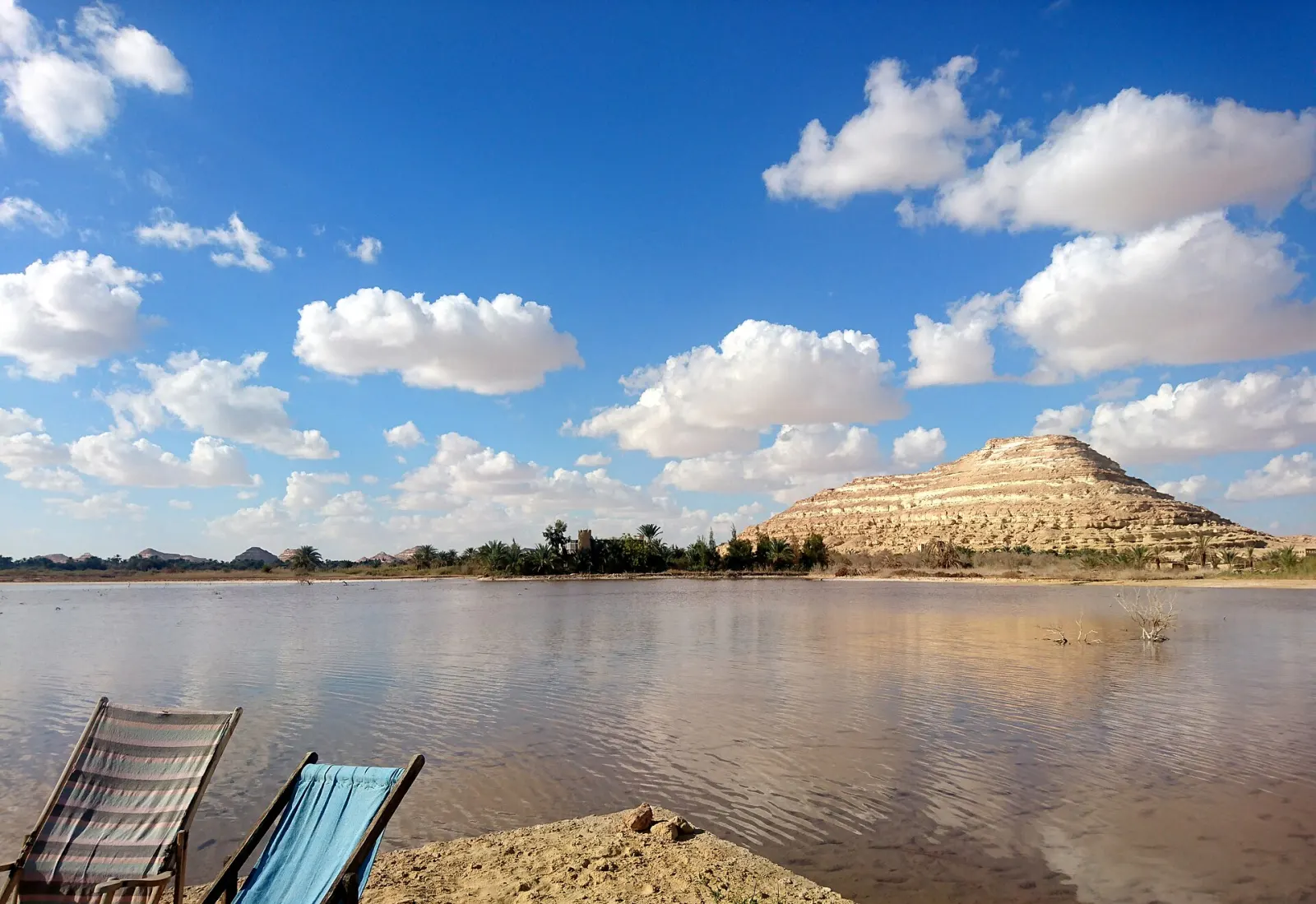
Gebel Dakrour is a limestone ridge on the south-east edge of Siwa, about 4.5 km by road from the market square. Climb it in the last hour of daylight for a view over palms, town and dunes. It hosts summer hot-sand baths (July and August) and the three-day Siyaha festival around October's full moon, with warm-spring camps at its foot.
9 min read
Lake Siwa: The Salt Lake West of Town
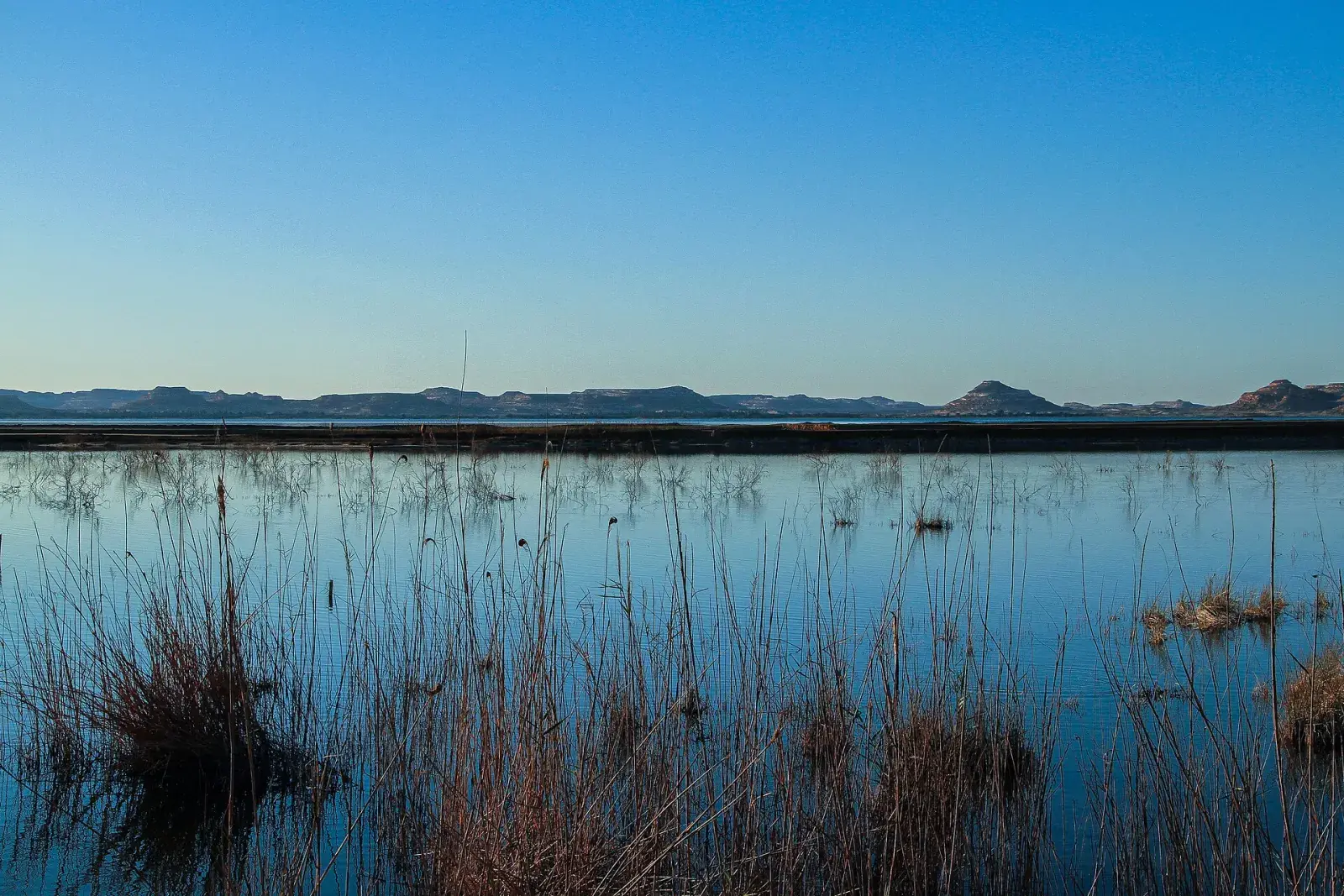
Lake Siwa (Birket Siwa) is the shallow salt lake spreading west of Siwa town, about 15 km² of brine edged with salt crust, reeds and palm gardens. Fatnas, Taghaghien Island and several lodges sit on its shores. Its muddy edges are poor for swimming; people come for the sunsets, the winter flamingos and the salt pools beside it.
9 min read
Sand Baths in Siwa: Hot-Sand Treatment at Gebel Dakrour
Siwa's sand baths are a summer folk treatment at Gebel Dakrour, about 4.5 km by road south-east of the market square. From July to mid-September an attendant buries you to the neck in sun-heated sand for 10 to 15 minutes after lunch, then you rest in a closed tent. Courses run 3 to 9 days. Skip it with heart problems, uncontrolled blood pressure or pregnancy.
10 min read
Shopping in Siwa: What to Buy, Where and How
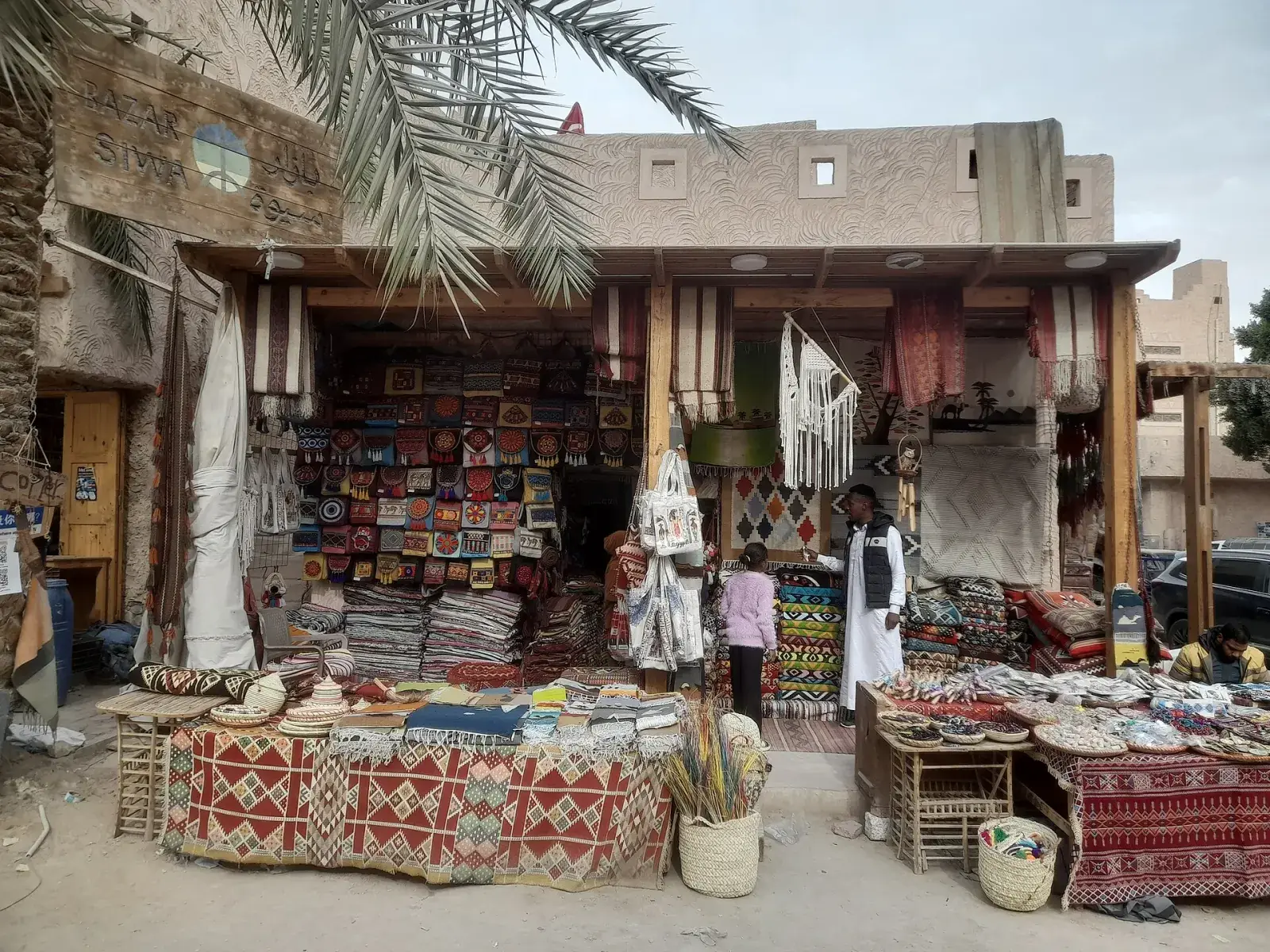
The buys most worth making in Siwa are what the oasis grows and makes: semi-dry dates, olive oil and table olives, dried Siwa mint, carved salt, women's embroidery and coiled palm-leaf baskets. Nearly all the shops are on and around the market square below Shali. Pay cash in Egyptian pounds, taste before you buy, treat "antique" silver with suspicion and never photograph Siwan women.
7 min read
Siwan House Museum, Siwa: What to See and When to Go
The Traditional Siwan House (House of Siwa Museum) is a one-house museum of Siwan domestic life, about 260 m on foot from Siwa's market square. Built of kershef at the end of the 1980s with Canadian funding, it shows wedding dresses, old silver, baskets and tools. Allow 20 to 40 minutes, confirm the short opening hours the day before and bring small cash.
9 min read
Springs of Siwa: Where to Swim, Water Temperatures and Etiquette
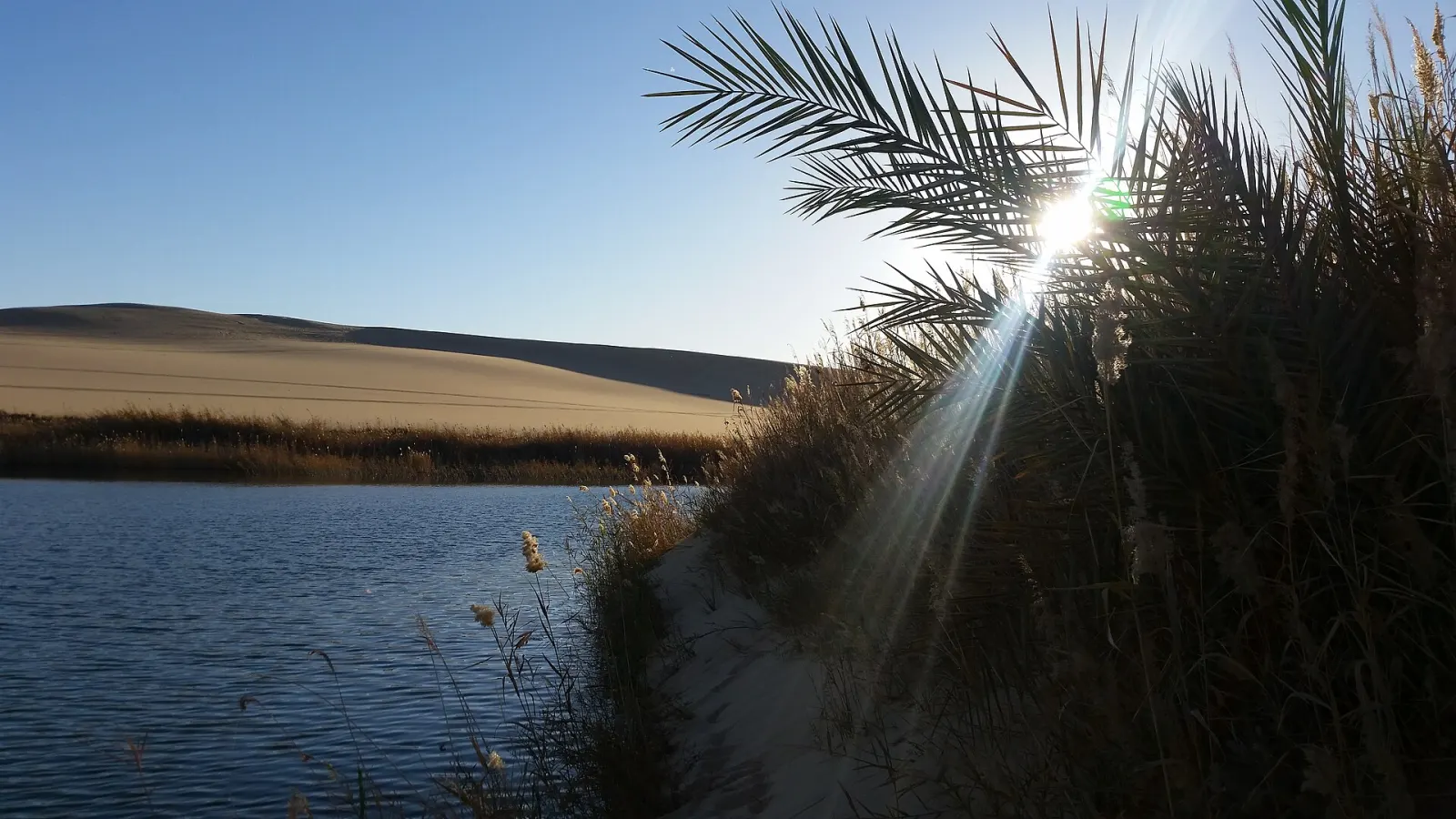
Siwa has about 200 springs fed by groundwater. For a swim, most visitors pick Cleopatra Spring, 3.4 km from the market square and steady at about 29°C, the clearer Abu Shuruf 27 to 34 km east by road, or the warm pool at Bir Wahed in the dunes by 4x4. At public springs, wear a T-shirt and shorts over your swimsuit.
9 min read
Temple of Umm Ubayda, Siwa: The Last Wall of Amun
The Temple of Umm Ubayda stands in the palm gardens about 400 m south of the Oracle Temple at Aghurmi, 2.8 km by road from Siwa's market square. Wenamun, the local ruler, built it to Amun under Nectanebo II in the 4th century BC. It was blown up for building stone in 1897; one carved wall about 6 m high survives. Allow 15 to 20 minutes.
16 min read
Things to Do in Siwa Oasis: The Complete List
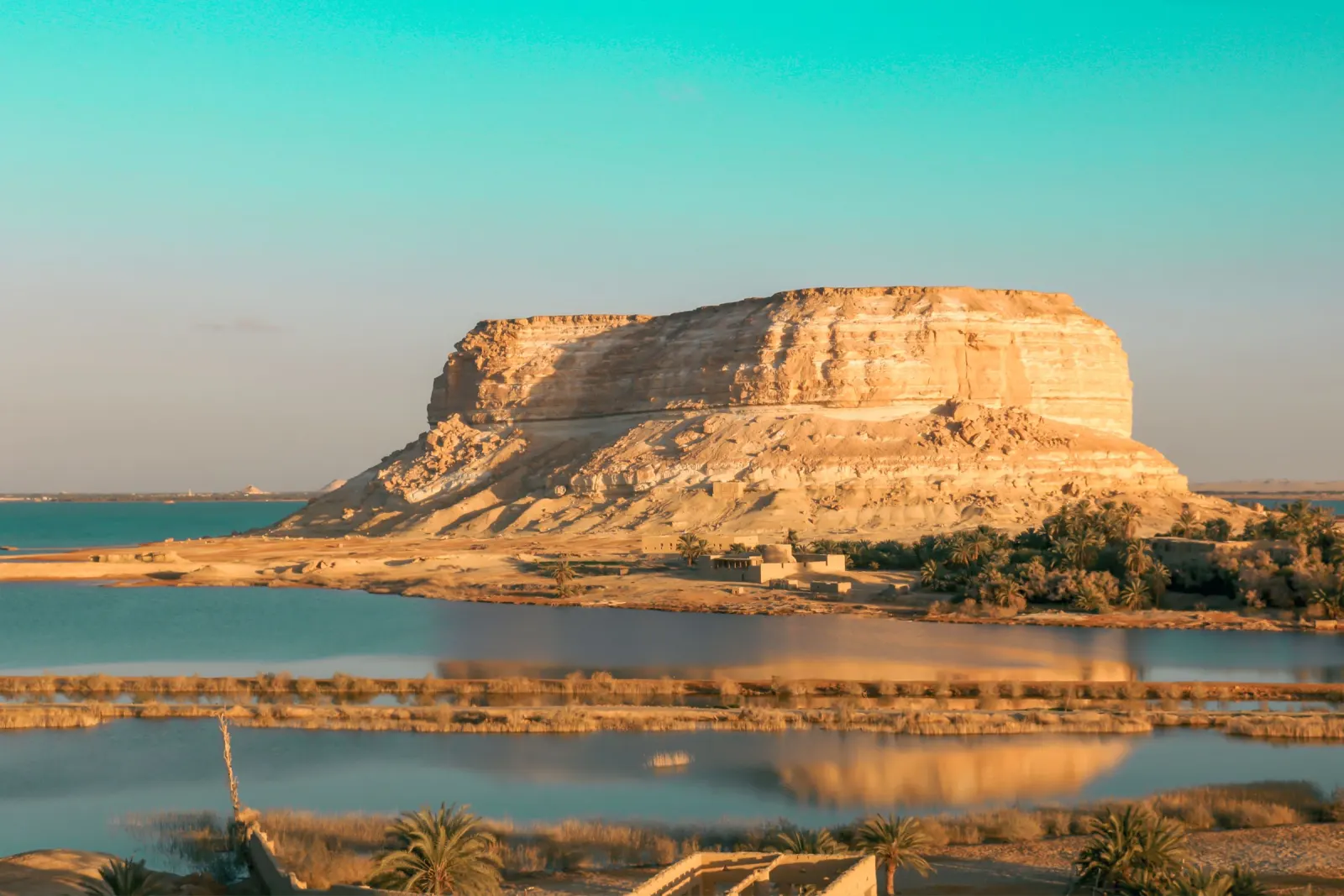
Start with the Oracle Temple of Amun, the painted tombs of Gebel al-Mawta and Shali Fortress, then swim at Cleopatra Spring, float in a salt pool and watch sunset at Fatnas. Give one afternoon to a 4x4 safari in the Great Sand Sea. With a third day, add a night in the dunes, Gebel Dakrour, the Siwan House museum and a slow ride through the palm gardens.
Questions people ask
Where should I start if this is my first visit?+
Read our complete list of things to do in Siwa, then open the guides for the Oracle Temple, Shali and the salt pools. Those three, plus a sunset at Fatnas, make up the core of a first trip.
Can I see Siwa's sights without a car?+
Mostly, yes. The museum, Shali, Gebel al-Mawta, the Oracle Temple, Umm Ubayda, Cleopatra Spring, Gebel Dakrour and Fatnas are all within about 5 km of the market square on flat roads. The salt pools and Abu Shuruf need a car, and the dunes need a 4x4.
Which sights fit together in one outing?+
Aghurmi, Umm Ubayda and Cleopatra Spring lie on one line east of town and make a natural morning. Gebel al-Mawta, the Siwan House museum and Shali sit around the centre. Fatnas and Lake Siwa are to the west, and Gebel Dakrour to the south-east.
Are there things to do only at certain times of year?+
Yes. Hot-sand baths at Gebel Dakrour run from July to mid-September, the Siyaha festival takes place there around October's full moon, and flamingos visit Lake Siwa in winter. In summer, springs such as Cleopatra are busy after dark.
Where is the best place to watch sunset?+
Fatnas, on the edge of Lake Siwa, is the classic spot; arrive about an hour before. Shali and the top of Gebel Dakrour give views over the town and palms instead of the lake.
Can I swim anywhere in Siwa?+
Yes, at the springs and salt pools rather than Lake Siwa itself, whose muddy edges are poor for swimming. Cleopatra Spring stays at about 29°C all year. At public pools, wear a T-shirt and shorts over your swimsuit.
Can I take photos everywhere?+
Landscapes and ruins, yes. Never photograph Siwan women or children, and leave your drone at home. Our photography guide gives the best spot for each time of day.