The short answer
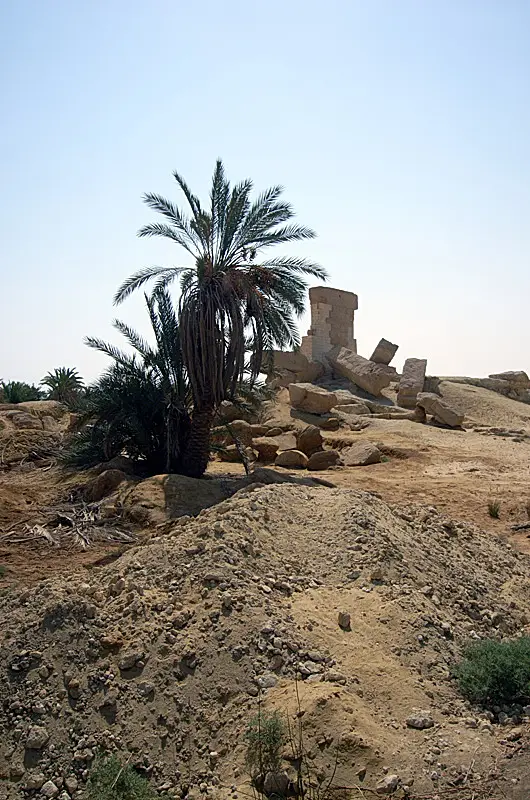
The Temple of Umm Ubayda stands in the palm gardens about 400 m south of the Oracle Temple at Aghurmi, 2.8 km by road from Siwa's market square. Wenamun, the local ruler, built it to Amun under Nectanebo II in the 4th century BC. It was blown up for building stone in 1897; one carved wall about 6 m high survives. Allow 15 to 20 minutes.
Ask us on WhatsAppUmm Ubayda at a glance
Short answer: The ruin of a second temple of Amun, a short walk south of the Oracle Temple. Built in the 30th Dynasty, damaged by an earthquake in 1811 and blown up in 1897, it is now a single carved wall among the palms. Allow 15 to 20 minutes.
| Built | 4th century BC, around the reign of Nectanebo II (30th Dynasty) |
| Builder | Wenamun, "Great Chief of the Desert" |
| Dedicated to | Amun-Re |
| Destroyed | 1897, for building stone |
| What is left | The east wall of the sanctuary, 6.12 m high, and fallen blocks |
| Where | About 400 m south of the Oracle Temple, Aghurmi; 2.8 km by road from the market square |
| Time needed | 15 to 20 minutes |
| Entry | Listed as free in 2021; confirm on the day |
| Shade and facilities | Do not count on any; bring water and a hat |
The name is also spelt Umm Ubeida, Umm Ubaydah and Umm Ubaida, and in Arabic أم عبيدة; it is also known as Umm el-Maabad. English Wikivoyage lists it as the Temple of Amun, a name easy to confuse with the Oracle Temple.
Who built it
Short answer: Wenamun, the local ruler of the oasis, during the last native dynasty of Egypt, probably as his own memorial temple as well as a house for Amun.
The Oracle Temple on the rock of Aghurmi dates from the 26th Dynasty, in the 6th century BC. About two hundred years later, under Nectanebo II, who ruled from 358 BC until Persia retook Egypt and he fled south around 342 BC (Wikipedia: Nectanebo II), the oasis's own ruler Wenamun added this temple in the gardens below. His name and image fill the surviving wall, and a long inscription of 51 columns honours him. Texts like that are unusual on a temple wall, which is why scholars think it also served as Wenamun's memorial chapel. The sanctuary faced north toward the oracle on its rock. See Siwa history.
What the complete temple looked like
Before the explosion, the French traveller Frédéric Cailliaud recorded a rectangular limestone building about 38 m long and 8 m wide, probably with a portico in front; alabaster blocks were later found around the sanctuary (Wikivoyage (German): Umm Ubeida). What you see today is one side of the innermost room only. Some of its 26 blocks are up to 7 m long, which gives a sense of the scale of what was lost.
How it was lost
Short answer: Travellers saw a carved chapel in the 1790s and drew it in 1820. An earthquake in 1811 did damage; dynamite in 1897 did the rest.
| Year | What happened |
|---|---|
| 1792 | The English traveller William George Browne describes a one-room carved ruin |
| 1798 | Friedrich Hornemann passes through, disguised as a Muslim merchant |
| 1811 | An earthquake damages the building |
| 1820 | Heinrich von Minutoli makes the first detailed drawings, still the best record of the whole temple |
| 1869 | Gerhard Rohlfs still sees both side walls of the inner chapel |
| 1897 | The local commander, Mahmud Azmi, has it blown up to build a police station; the west wall is lost |
| 1898 | The geographer Arthur Silva White photographs the ruin as it stands today |
Some accounts give 1896 for the demolition; most put it in 1897.
What you see
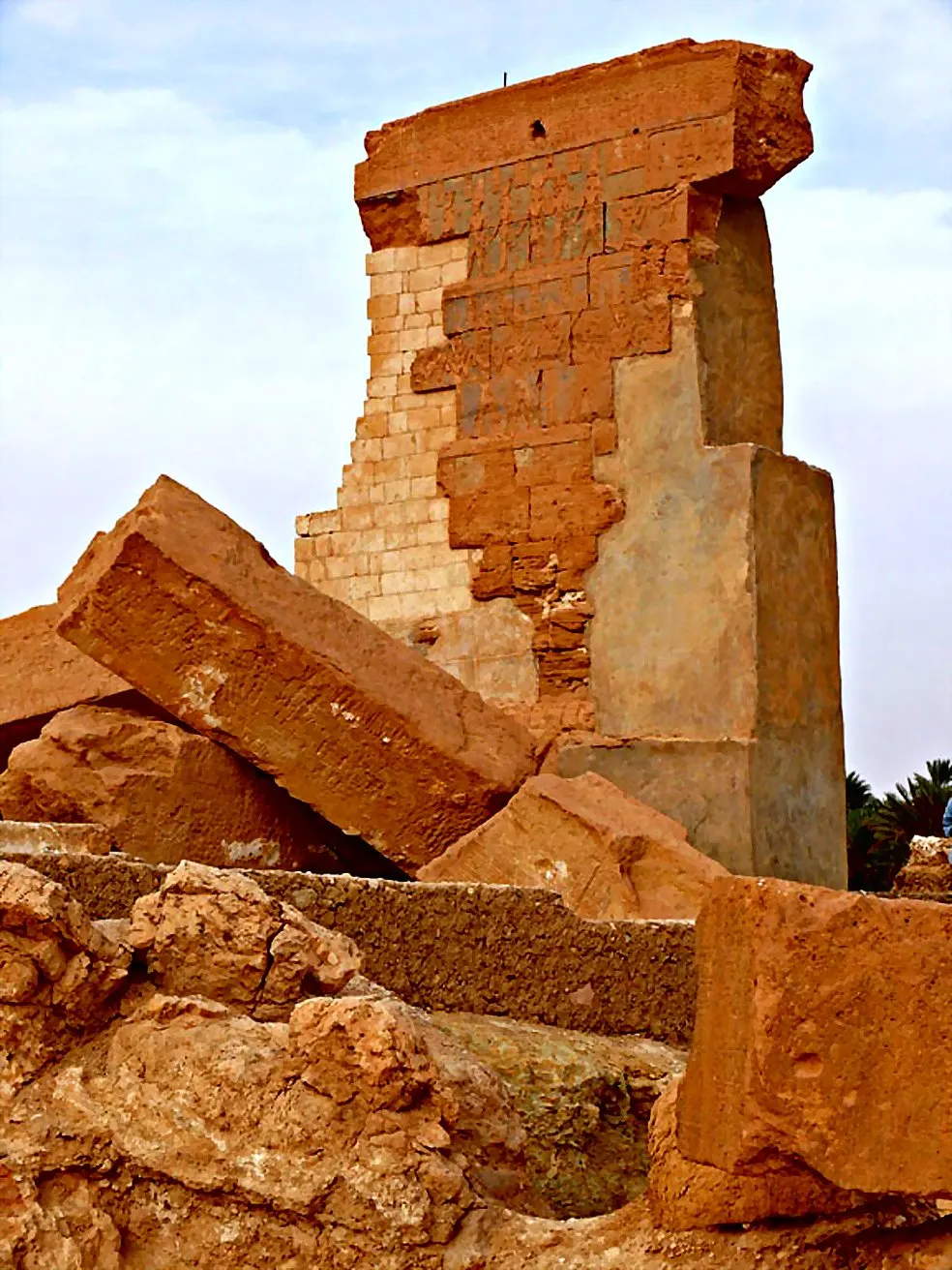
Short answer: One tall wall of 26 limestone blocks covered in raised relief and hieroglyphs, with fallen blocks around it.
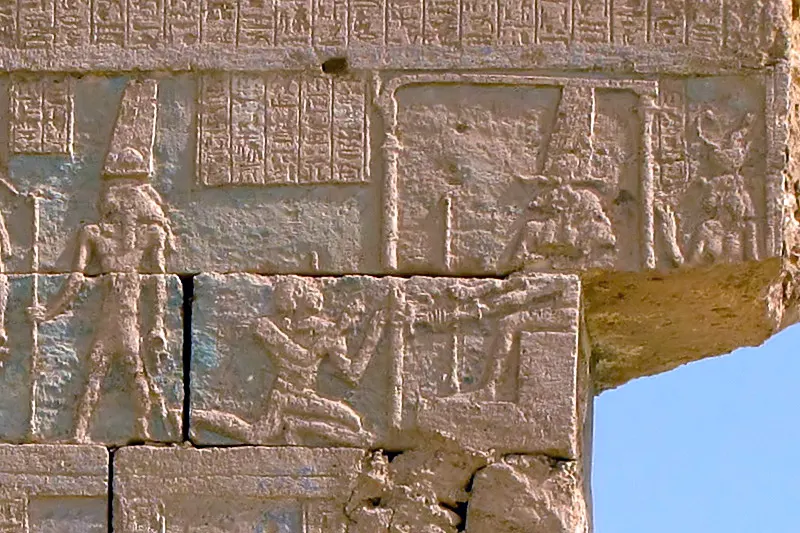
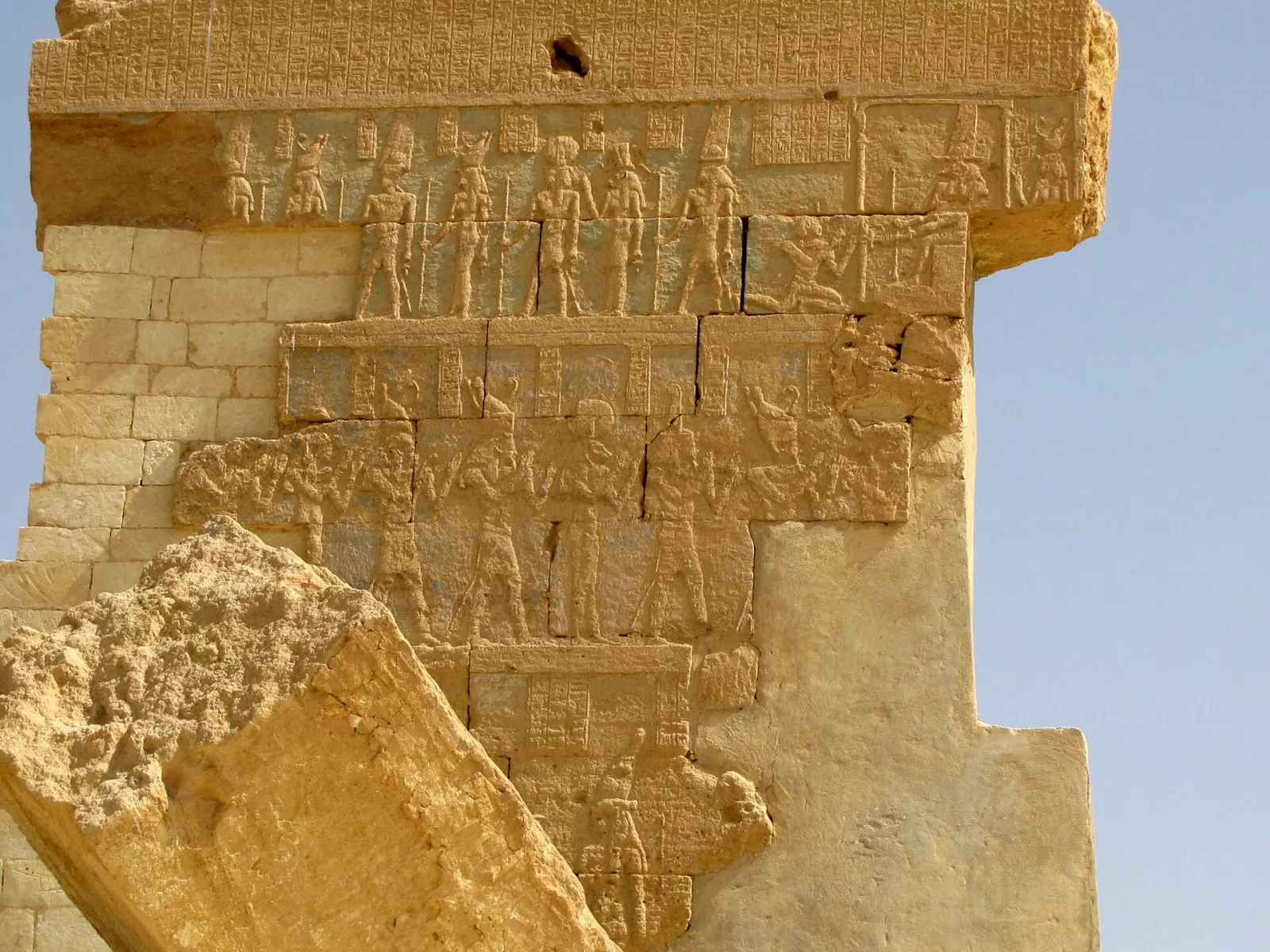
- The kneeling ruler: in the main register, Wenamun kneels before ram-headed Amun-Re and Mut, with a line of gods behind.
- Traces of colour: look closely for flecks of blue and green paint in the hollows of the carving.
- Columns of text: the long vertical inscription in honour of Wenamun.
- The missing top row: a frieze of vultures with spread wings once ran along the top. Its loss is why the upper edge looks ragged.
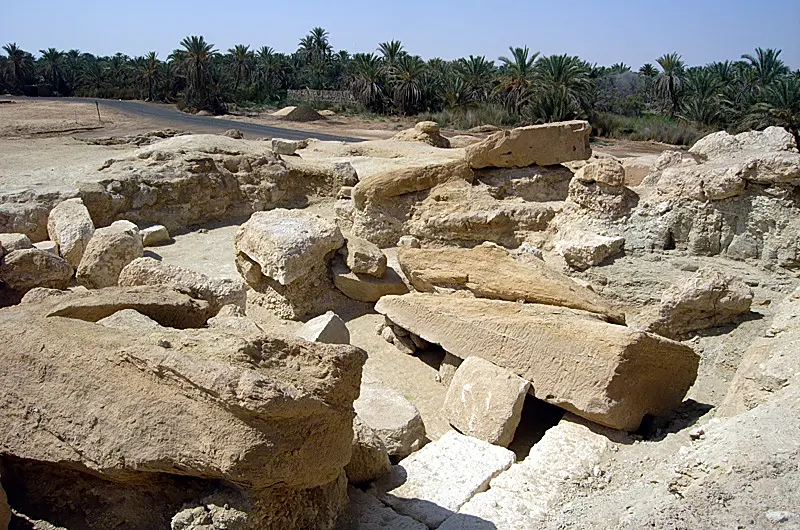
- Fallen blocks: the roof and wall blocks lying in the sand, including a ceiling block. The names scratched on some of them are modern graffiti, not ancient.
The relief is on the inner face of the wall, the side that once looked into the sanctuary, so if you arrive at a plain face, walk round. Light is best in the morning or late afternoon, when a low sun throws shadows across the carving.
Getting there from the market square
Short answer: 2.8 km by road from the square below Shali. Cycle or take a tuk-tuk; walk only in the cooler months.
Road distances below are measured from the market square beside Shali, as on our Siwa map. Times assume an easy pace on flat lanes.
| From the market square | Distance | On foot | Bicycle | Tuk-tuk |
|---|---|---|---|---|
| Oracle Temple | 2.5 km | 33 min | 13 min | 6 to 10 min |
| Umm Ubayda | 2.8 km | 37 min | 14 min | 7 to 10 min |
| Cleopatra Spring | 3.4 km | 45 min | 17 min | 8 to 10 min |
The route: leave the square heading north-east, then follow the road east toward Aghurmi. Green lamp posts along the roadside confirm you are on the right road. South of the Aghurmi rock, two tracks fork; take the western one. Signs here are confusing, so if in doubt ask for "Umm el-Maabad" or show a photo of the wall. The last lane is narrow but a van or pick-up can get through (Wikivoyage (German), checked 17 November 2026).
Which transport: a bicycle suits the flat garden lanes and lets you stop on a whim. A tuk-tuk is better in the midday heat or if you want to be dropped at the wall and collected. Agree the fare, and any waiting time, before you set off. Ask us for current car-with-driver prices.
Costs
| Item | What we know | Source |
|---|---|---|
| Umm Ubayda entry | Listed as free | Wikivoyage: Siwa, listing updated January 2021 (checked 17 November 2026) |
| Oracle Temple entry | LE50 for foreigners in the same 2021 listing; expect more now | As above |
| Bike hire, tuk-tuk fare | No reliable current printed figure | Ask your lodge or ask us |
A five-year-old pound figure is a floor, not a quote. Carry small notes in Egyptian pounds; the Oracle Temple is the nearest place to ask whether a ticket now applies to Umm Ubayda.
When to go
Short answer: At the start or end of the day, in any month. Summer middays are too hot to stand at an unshaded wall.
- Season: mean highs run from 19.3 °C in January to 37.5 °C in June and July in the WMO normals on our Siwa weather page. October to April is comfortable all day; from May to September go before 10:00 or after 17:00.
- Time of day: the ruin is in the open with no gate, but go in daylight. Sunset on the 15th of the month ranges from 17:21 in December to 20:19 in July, so a late-afternoon visit in winter leaves less margin than you might expect.
See the best time to visit Siwa for the full-year picture.
How to combine it
| Plan | Order | Time |
|---|---|---|
| Short history morning | Oracle Temple, Umm Ubayda, back to town | About 2 hours |
| Classic eastern loop | Oracle Temple, Umm Ubayda, swim at Cleopatra Spring | About 3 hours by bike |
| Full day east | The loop above, then Abu Shuruf for a second swim | Most of a day, car advised |
| History day | Morning at Gebel al-Mawta, then the Oracle and Umm Ubayda | Half a day |
Umm Ubayda sits between the Oracle Temple and Cleopatra Spring, so there is no reason to come out here twice. Its relief carving complements the Siwan House Museum and Shali in town, which cover later Siwan life rather than the pharaonic period.
Umm Ubayda and the Oracle Temple
| Oracle Temple | Umm Ubayda | |
|---|---|---|
| Date | 26th Dynasty, 6th century BC | 30th Dynasty, 4th century BC |
| Setting | On the rock of Aghurmi | In the palm gardens below |
| State | Restored ruin you walk through | One wall and fallen blocks |
| Why go | The oracle Alexander consulted | Pharaonic relief carving you can study up close |
See Alexander the Great in Siwa for the oracle's most famous visitor.
Mistakes to avoid
- Arriving with no context. Do not rely on on-site panels to explain the scenes. Read the sections above, or go with a guide, before you stand at the wall.
- Looking at the wrong face. The carving is on the inner side of the wall, where the sanctuary once was.
- Climbing the blocks for a photo. The fallen blocks are part of the monument and loose underfoot. Shoot from ground level instead.
- Touching the paint. The blue and green traces are tiny and fragile; skin oil and sunscreen damage them.
- Confusing the two temples. A driver asked for "the Temple of Amun" may take you to the Oracle Temple only. Name Umm Ubayda specifically.
- Midday in summer. There is no shade at the ruin, and mean afternoon highs reach 37 °C or more from June to August.
Families and accessibility
The site is at garden level with no climb, which makes it easier than the Oracle Temple on its rock. The approach lane takes a van or pick-up, so a car or tuk-tuk can get you close. For children, the kneeling figure and the animal-headed gods make a good "spot the god" game, and the stop is short enough to hold their attention. Bring water and hats, and do not count on a café or toilet at the ruin. Wheelchair users should ask us about the surface of the last few metres. Tell us about mobility needs when you book and we will plan the stops around them.
Respect
Do not climb on the blocks or touch the carved surface, and do not add names to the ones already scratched there. The ruin sits among working gardens, so stay on the lanes and do not walk through private plots or irrigation channels. Dress as you would in town; see what to wear in Siwa.
On a trip
The Siwa oasis day tour and Siwa by overnight bus, 2 days both visit Umm Ubayda with the Oracle Temple in the cool of the morning. For a full plan, see the 3-day Siwa itinerary.
Sources: builder, dimensions, route and the 1897 demolition from Wikivoyage (German): Umm Ubeida and Livius: Temple of Nectanebo; entry listing from Wikivoyage: Siwa; reign dates from Wikipedia: Nectanebo II. All checked 17 November 2026.
Where it is
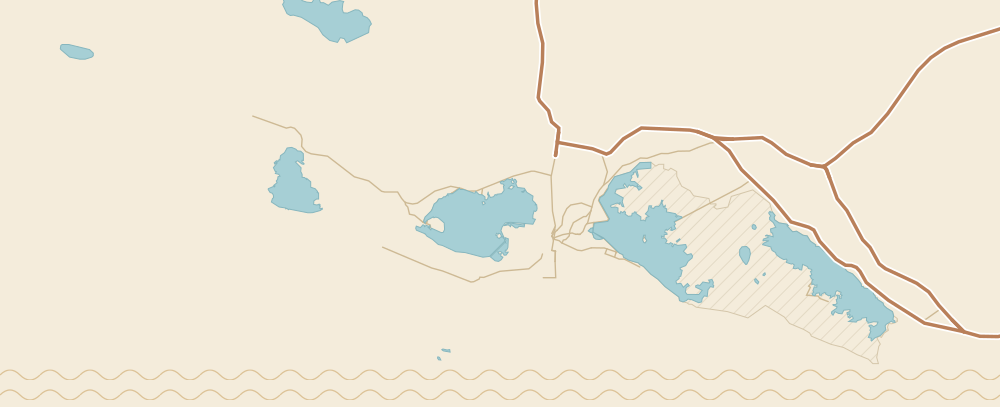
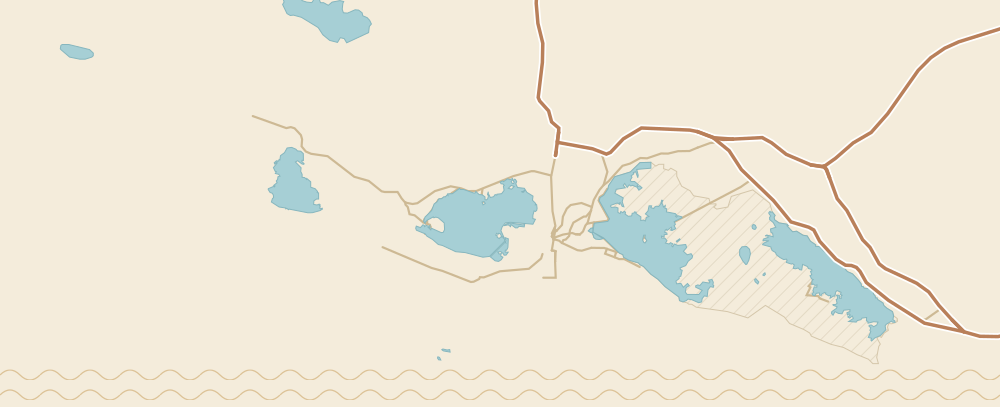
Close-up: around Siwa town
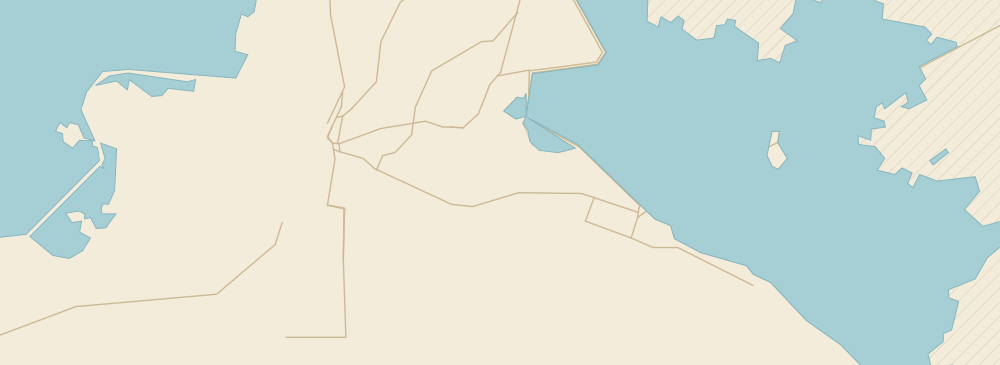
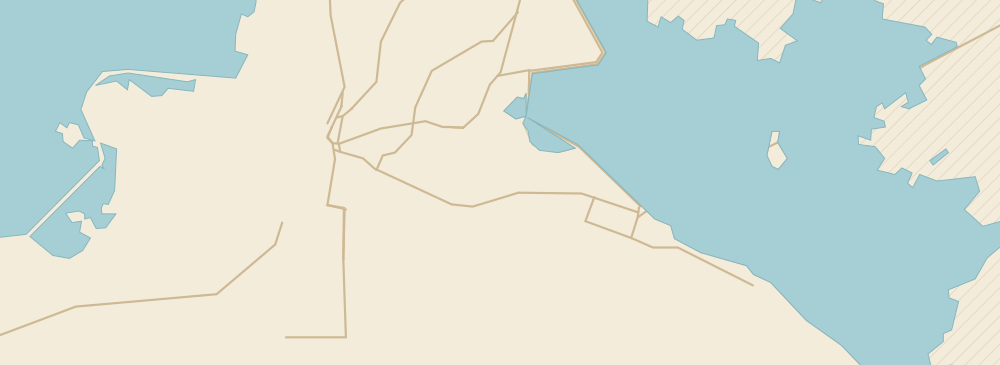
Lakes and roads drawn from OpenStreetMap; pin positions are approximate. The salt flats (hatched) dry out and flood with the seasons. Map data © OpenStreetMap contributors, ODbL.
Questions people ask
Why is only one wall of Umm Ubayda left?+
In 1897 Mahmud Azmi, the officer then in charge of Siwa, had the temple blown up to supply stone for a new police station. Only the east wall of the sanctuary and scattered blocks survived.
Who is shown on the wall?+
Wenamun, the local ruler who built the temple, appears in offering scenes, kneeling before ram-headed Amun-Re and the goddess Mut with a row of other gods.
Is Umm Ubayda the same as the Oracle Temple?+
No. The Oracle Temple sits on the rock of Aghurmi and is about two centuries older. Umm Ubayda is a second, later temple of Amun in the gardens below it.
How far is Umm Ubayda from Siwa town?+
2.8 km by road from the market square below Shali: roughly 37 minutes on foot, 14 minutes by bicycle or 7 to 10 minutes by tuk-tuk.
Do I need a ticket for Umm Ubayda?+
Wikivoyage listed it as free in its January 2021 update, and the wall stands in the open. Rules and fees change, so ask at the Oracle Temple gate or ask us before you go.
Is it worth going if I have little time?+
Yes, if you are already at the Oracle Temple: it adds about 20 minutes and is the one temple wall in Siwa still carrying its pharaonic relief. It is not worth a separate trip on its own.
Can I visit with small children or limited mobility?+
The ruin is at garden level with no climb, and a narrow lane passable by a van or pick-up leads to it, so it is easier than the Oracle Temple on its rock. Do not count on shade or toilets at the ruin; ask us about the last few metres if you use a wheelchair.
Go with us
Trips that include this
About 8 hours
Siwa Oasis Day Tour (from Your Siwa Hotel)About US$65 to 80 per person for two travellers (about US$130 to 160 per car)
Check dates
2 days and 1 night in Siwa, plus the overnight bus each way (3-day version on request)
Siwa by Overnight Bus: 2 Days from Siwa Bus StationAbout US$220 to 360 per person for two travellers (bus fare extra)
Check dates