The short answer
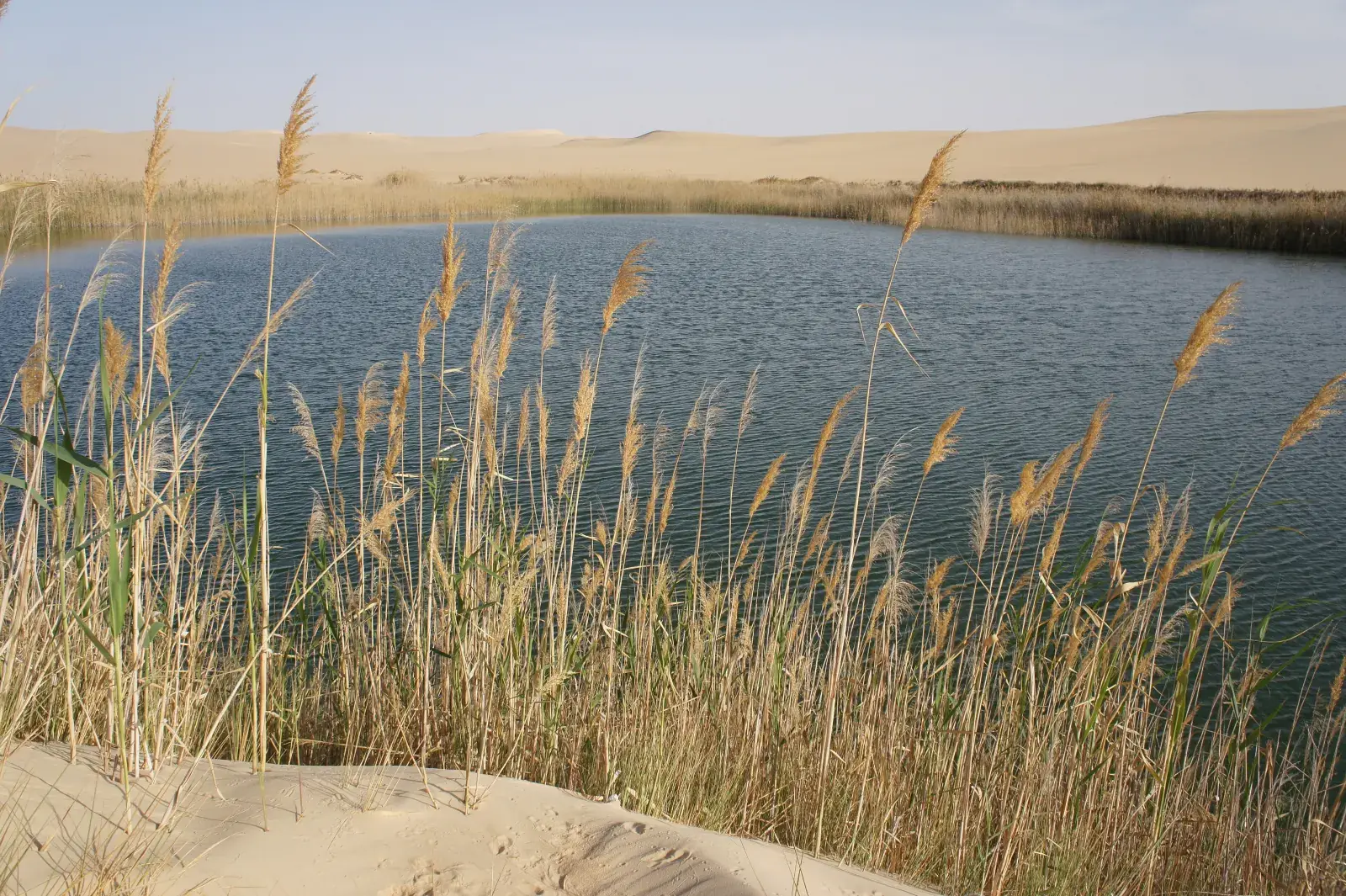
Bir Wahed is a warm spring pool, about 30°C, with a cold freshwater lake beside it, set in the dunes about 12 km south-west of Siwa's market square in a straight line. No road reaches it: you go by 4x4 with a licensed driver and a desert permit, usually on an afternoon Great Sand Sea safari that ends at sunset.
Ask us on WhatsAppBir Wahed at a glance
Short answer: Bir Wahed ("well one") is a warm pool and a cold lake in the sand on the edge of the Great Sand Sea, south-west of Siwa town. It is the usual turning point of the afternoon 4x4 safari: you arrive after the dunes and sandboarding, soak in warm water, swim in the lake, then drive up a ridge for sunset.
| Where | South-west of town, on the edge of the Great Sand Sea |
| Distance | About 12.3 km from the market square in a straight line; the mapped road ends about 6 km short (Siwa map) |
| Access | 4x4 only, with a licensed driver and a desert permit |
| Warm pool | About 30°C, sulphurous (Wikivoyage, checked 21 November 2026) |
| Cold lake | Fresh water, cold, beside the pool |
| Best months | October to April |
| Best time of day | The last hour or two before sunset |
| Time there | 30 to 60 minutes on a half-day safari |
| Facilities | Rudimentary changing area; no shops |
Guidebooks give the distance as anything from 12 to 15 km. Wikivoyage says 15 km south-west of town; our own measurement from the square is 12.3 km in a straight line. The drive over the sand is longer than either figure, because the driver follows the dunes rather than a straight line.
What Bir Wahed is
Short answer: By the usual account, not an ancient spring but a drilled well: prospecting for oil in the 1980s found water instead, and that water now feeds a warm pool, a lake and a patch of green in the sand.
The Four Degrees geology blog of the European Geosciences Union describes Bir Wahed as two bathing sites, a sulphurous hot pool and a large cold lake, and repeats the local story that they formed when an oil company (Russian or American, depending on who you ask) drilled there in the 1980s and found water instead (EGU blogs, March 2014, checked 21 November 2026). We have not found an official record of the well, so treat the date as local tradition. It would explain the name, "well one", a number rather than a saint's or a family's.
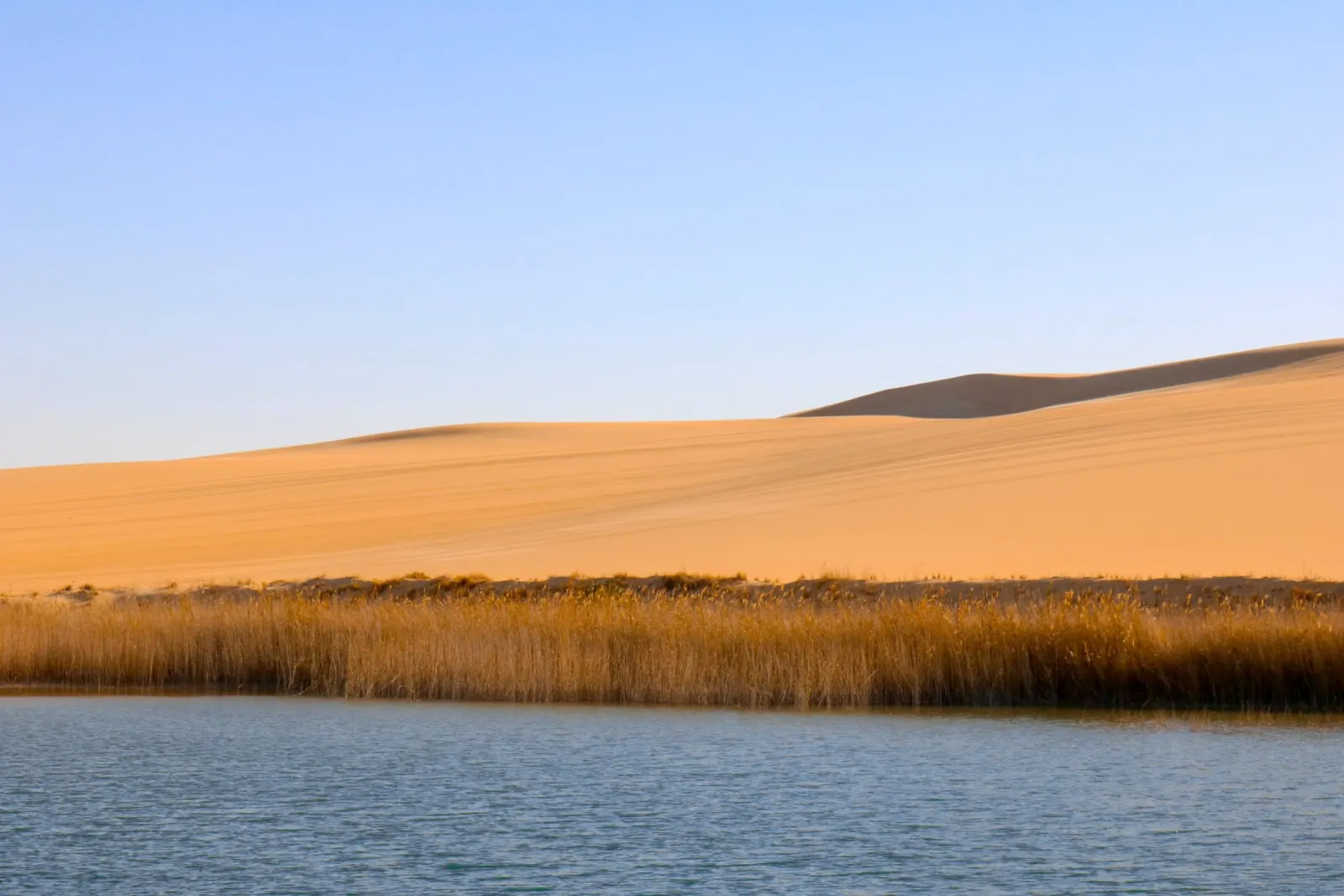
Wikivoyage's description, a lake and garden ringed by dunes, "almost a cartoon image of an oasis", is the reason people come. You drive through bare sand, crest a ridge and see reeds, greenery and water below you.
The setting is the draw rather than the water itself. Siwa has around 200 springs, and several are easier to reach; our Siwa springs page compares them all. Bir Wahed is the one inside the dunes.
The warm pool and the cold lake
Short answer: The pool is warm enough to sit in on a winter afternoon. The lake is cold. Most people try both.
| Warm pool | Cold lake | |
|---|---|---|
| Water | Sulphurous well water, about 30°C (Wikivoyage) | Fresh water, cold |
| Smell | Noticeable sulphur | None to speak of |
| Edges | A small built pool | Reeds and sand |
| Best season | November to March, when the air is cool | Late spring and early autumn, when the air is warm |
| Stains | Yes: minerals mark swimwear and towels | Not reported |
| Who it suits | Anyone who can step in and out of a pool | Confident swimmers; stay near the edge |
Thirty degrees is warm rather than hot, and a degree warmer than the 29°C that Wikivoyage gives for Cleopatra Spring in town. On a December afternoon, with the mean high about 20°C and the air cooling fast towards sunset, it feels hot. In June, when the mean high is 37.5°C, it feels tepid and the lake is the better swim.
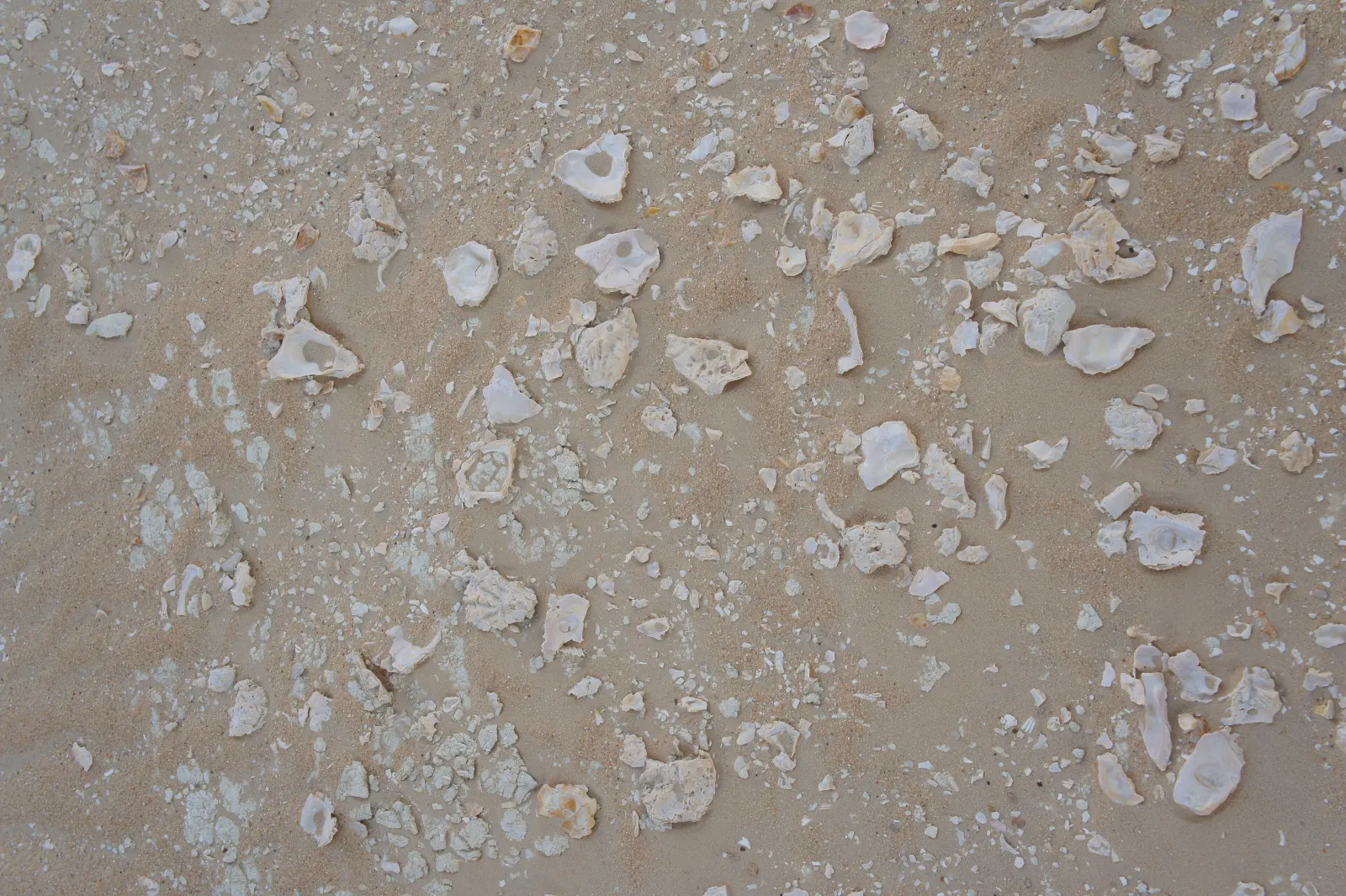
The sulphur smell is mild once you are in. The staining is not: Wikivoyage warns that the minerals stain costumes and towels. Wear the oldest dark swimsuit you own.
Getting there: 4x4, driver and permit
Short answer: Book a licensed Siwa operator. They provide the 4x4 and driver, file a desert permit with your passport details and carry it through the desert checkpoints.
Three things stand between town and Bir Wahed:
- Sand. The last stretch has no road. Frommer's says the trip means getting through sand dunes and will be uncomfortable, possibly unsafe, unless an experienced guide is driving (Frommer's, Siwa attractions, checked 21 November 2026). Tuk-tuks, bikes and ordinary cars stop where the sand starts.
- The permit. Bir Wahed is in the Great Sand Sea, and every off-road trip there needs a desert permit for each traveller. The UK government's travel advice says off-road travel needs a qualified guide and a Ministry of Interior permit (FCDO safety and security, checked 21 November 2026). Your operator applies with a scan of your passport photo page and visa. Our permits and checkpoints guide explains the system and the documents.
- Navigation. Signal fades in the dunes and many tracks are on no map. A Siwan driver reads the sand and knows which slopes are soft.
We have not confirmed a current official permit fee, so we do not quote one; figures repeated online are not backed by a current official source. On our trips the permit is part of the price.
Ways to fit it in
| Trip | What you get at Bir Wahed | Length |
|---|---|---|
| Great Sand Sea safari (half day) | A stop between the dunes and sunset | About 5 hours from early afternoon |
| Overnight desert camp | A soak before sunset, then dinner and stars in the dunes | Afternoon to late the next morning |
| 4 days with eco-lodge and desert camp | The same afternoon and desert night inside a longer trip from Cairo | 4 days |
| Private 4x4 | A longer soak, or a quieter time of day | Ask us |
The half-day safari is listed at about US$60 to 130 per person, shared or private car, with the 4x4, driver, sandboards, tea, water and permit included. See Siwa tours and prices for how that compares with other trips.
What a visit is like
Short answer: Dunes first, then the pool, then sunset. The order shifts with the wind and the light.
A winter half-day usually runs like this, based on the timings on our 4x4 safari page:
| Time (winter) | What happens |
|---|---|
| About 14:00 | Pick-up at your lodge |
| Edge of the dunes | Tyres let down for the sand |
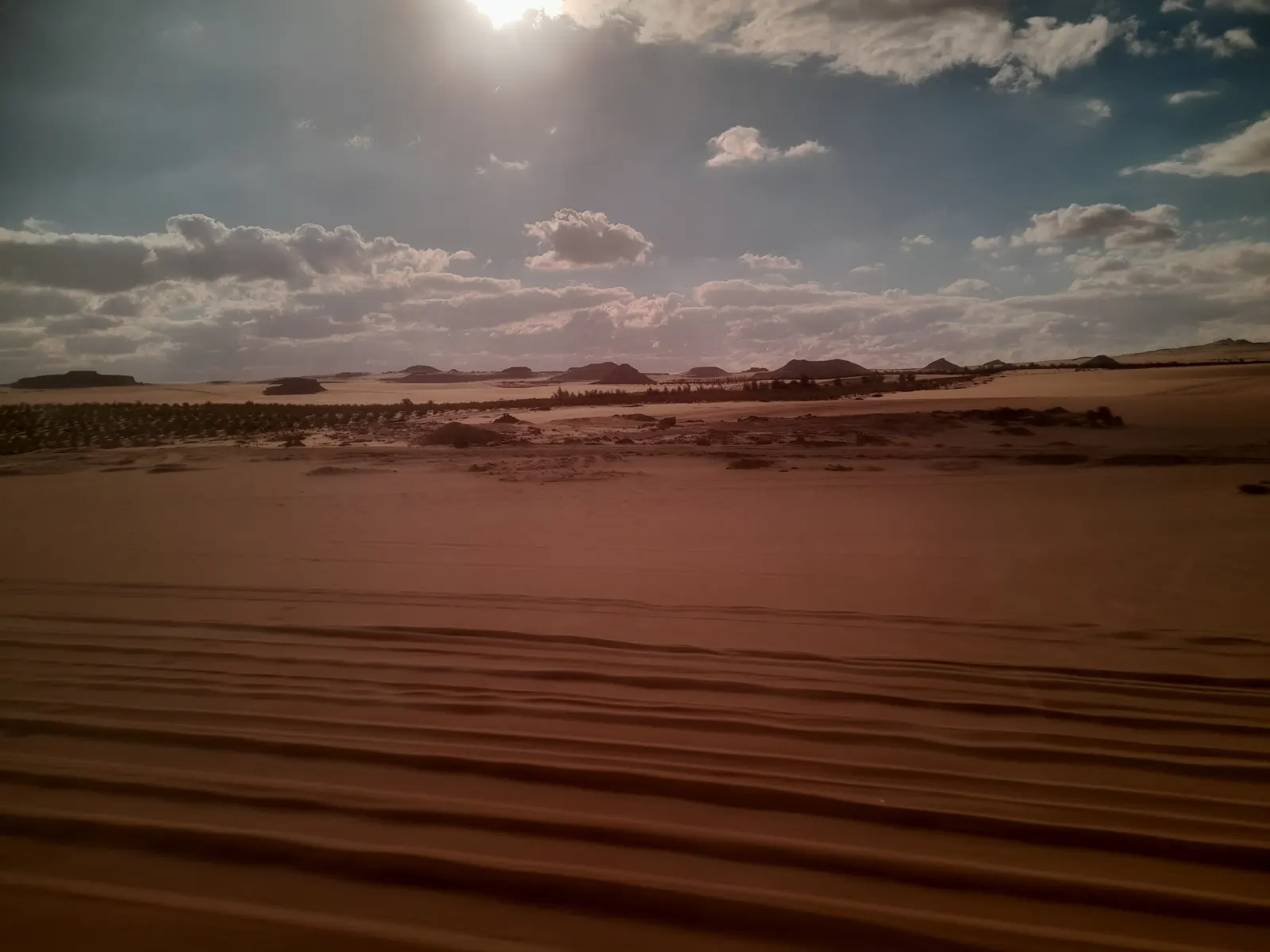
| Afternoon | Dune driving, sandboarding, a stop for fossil shells |
| About 16:45 | Bir Wahed: soak, swim, tea |
| About 17:30 | Sunset on a high dune |
| After dark | Back in town, around 19:00 |
Changing facilities are rudimentary, as Frommer's notes, so arrive with your swimsuit under your clothes. Most people get into the warm pool first, sit until the sun is low, then try the lake.
Do not expect it to yourself. Bir Wahed is a standard stop on afternoon safaris, so other groups may arrive around the same time, especially in the cool months and on Egyptian holidays; the events and holidays calendar shows the busy weeks. Ahram Online's photo gallery of a Siwa safari shows children wading into the sulphur pool and visitors sitting beside it (Ahram Online, checked 22 November 2026). For a quieter visit, ask for a private car and a different time of day.
Best time to go
Short answer: October to April, late afternoon. Summer works too, but the trip leaves later and the lake is the point.
| Months | Air (WMO mean high / low) | Sunset on the 15th | At Bir Wahed |
|---|---|---|---|
| December to February | 19 to 22°C / 6 to 7°C | 17:21 to 18:07 | Warm pool at its best; bring a fleece for after |
| March and April | 25 to 30°C / 10 to 14°C | 18:26 to 18:44 | Both pleasant; windy, dusty days more likely |
| May to September | 34 to 38°C / 18 to 22°C | 19:23 to 20:19 | Late start; the cold lake is the draw |
| October and November | 25 to 31°C / 10 to 16°C | 17:23 to 18:48 | Warm days, cool evenings: ideal |
Temperatures are the WMO normals and sunset times from timeanddate.com, both set out on our Siwa weather page; summer times include Egypt's daylight saving. For the season as a whole, see the best time to visit Siwa.
Two timing points matter more than the month:
- Wind. February to April is the windiest part of the year, and April averages about eight days of blowing sand. A dusty day can cut a safari short or blur the sunset.
- Light. In mid-December you have about ten hours of daylight, so the afternoon trip is tight. Do not ask for more time at the pool if it means crossing the dunes in the dark.
What to bring
- Old, dark swimwear. The minerals stain.
- A dark towel or a cheap sarong. It doubles as a changing screen.
- A plastic bag for wet things, and dry clothes for the drive back.
- A warm layer from November to March. Wet skin in a desert evening gets cold fast.
- Sandals or flip-flops for hot sand and the lake edge.
- A scarf and sunglasses against blown sand on the drive.
- A dust-proof bag for your phone and camera.
- Insect repellent. Water in the desert can mean mosquitoes at dusk.
The full list is on our Siwa packing list.
Dress and etiquette
The desert is more relaxed than town, but you may share the pool with Egyptian families. Wear a modest swimsuit, add a T-shirt if families are bathing, and cover up when you walk back to the car. Ask before photographing anyone, and never photograph Siwan women or children; Siwa etiquette and what to wear in Siwa explain why. Take your rubbish back to town.
Safety, children and mobility
- Children. A 30°C pool suits children who can swim or wear armbands. Keep them within reach, especially in the cold lake. The dune driving is bumpy; our 4x4 safari page covers children and carsickness.
- Health. We advise against dune driving in pregnancy or with back or neck problems. A calmer drive to the dune edge for sunset is an alternative, though it may not reach the pool.
- Limited mobility. Reaching the water means walking on soft sand and stepping down into a pool. Tell us before you book and we will tell you whether it is likely to work.
- Drink water. A warm soak after an afternoon in the sun dehydrates you, even in winter.
Bir Wahed or another spring?
| If you want | Go to | Why |
|---|---|---|
| The dunes and a soak together | Bir Wahed | The pool inside the sand on a half-day trip |
| A swim without a permit | Cleopatra Spring | 3.4 km from the square, by bike or tuk-tuk |
| Clear water further out | Abu Shuruf | 27 to 34 km east by car |
| Sunset over water | Fatnas | 4.7 km by road, no 4x4 needed |
| Floating | The salt lakes | 14.6 km by road |
Mistakes to avoid
- Booking with an unlicensed driver. Without a permit you can be turned back at the first desert checkpoint.
- Your best swimsuit. The stains do not wash out.
- No warm layer in winter. The drive back after sunset is cold.
- Swimming far out in the cold lake. Stay near the edge.
- Asking for extra time at dusk. The driver needs light to cross the dunes.
- Leaving a phone on the sand. Fine sand gets into ports and lenses quickly.
Plan it
Most visitors see Bir Wahed once, on a half-day safari added to two or three days in town. Pair it with sights that need no permit, such as Shali and the Oracle Temple, on the morning of the same day. For the wider landscape, read the Great Sand Sea; for a night in it, camping in Siwa. Book the Great Sand Sea safari, browse all tours, or contact us with your dates.
Where it is
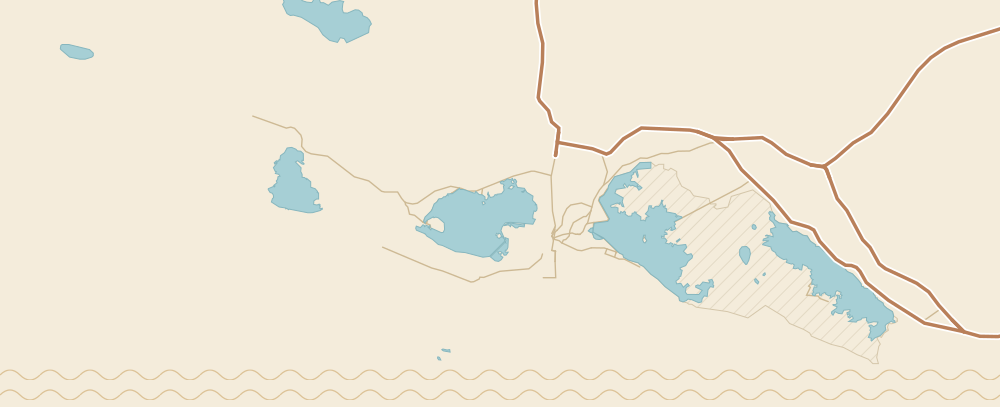
Close-up: around Siwa town
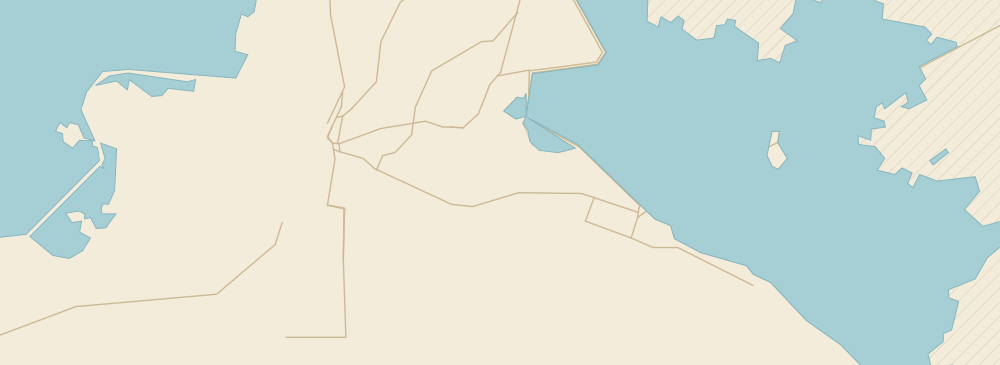
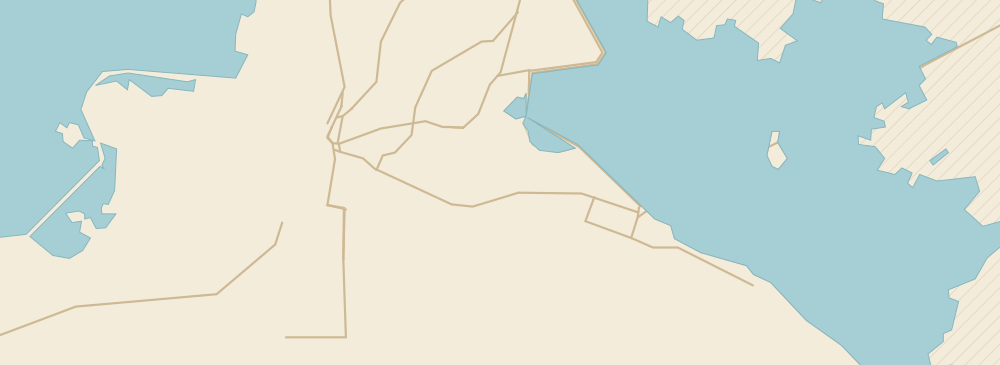
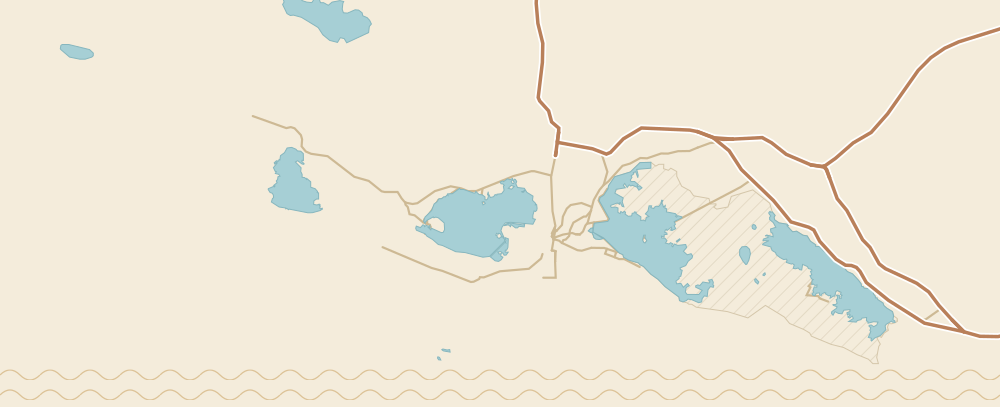
Lakes and roads drawn from OpenStreetMap; pin positions are approximate. The salt flats (hatched) dry out and flood with the seasons. Map data © OpenStreetMap contributors, ODbL.
Questions people ask
Can I drive to Bir Wahed myself?+
No. The mapped road ends about 6 km short and the rest is sand. UK advice says off-road travel needs a qualified guide and a Ministry of Interior permit, so go with a licensed operator, who files the permit with your passport details.
How hot is the water at Bir Wahed?+
Wikivoyage puts the pool at about 30°C, a degree or so warmer than Cleopatra Spring, and describes the lake next to it as cold. The pool smells of sulphur and its minerals stain swimwear and towels.
Do I need a permit for Bir Wahed?+
Yes. It is inside the Great Sand Sea, so every traveller goes on a desert permit by name. Your operator arranges it, usually a day or two ahead; on our safari and camp trips it is included.
When is the best time to visit Bir Wahed?+
October to April, in the late afternoon, so you soak in the warm pool as the air cools and then watch sunset from a dune. In summer, trips leave later and the cold lake is the bigger draw.
How long do you spend at Bir Wahed?+
On a half-day safari, usually 30 to 60 minutes: enough for a soak, a dip in the lake and tea. The whole afternoon trip lasts about 5 hours.
Are there changing rooms or toilets?+
Only very basic ones. Frommer's mentions rudimentary changing facilities. Wear your swimsuit under your clothes and bring a towel or wrap.
Go with us
Trips that include this
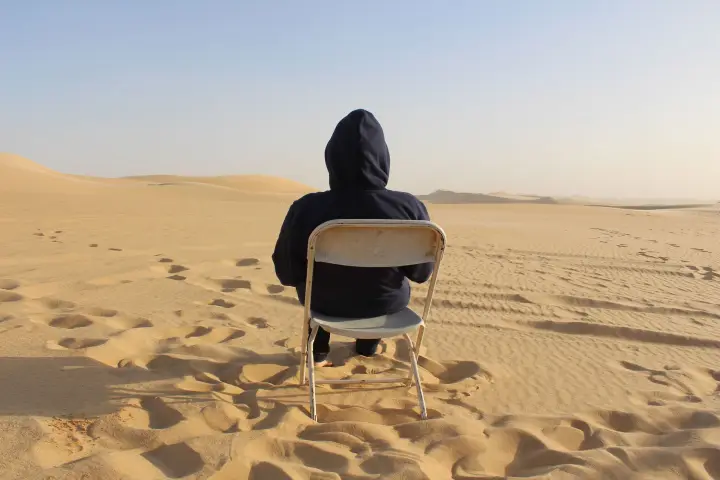
About 5 hours (afternoon to sunset)
Great Sand Sea Safari from Siwa (Half Day)About US$60 to 130 per person (shared or private car)
Check dates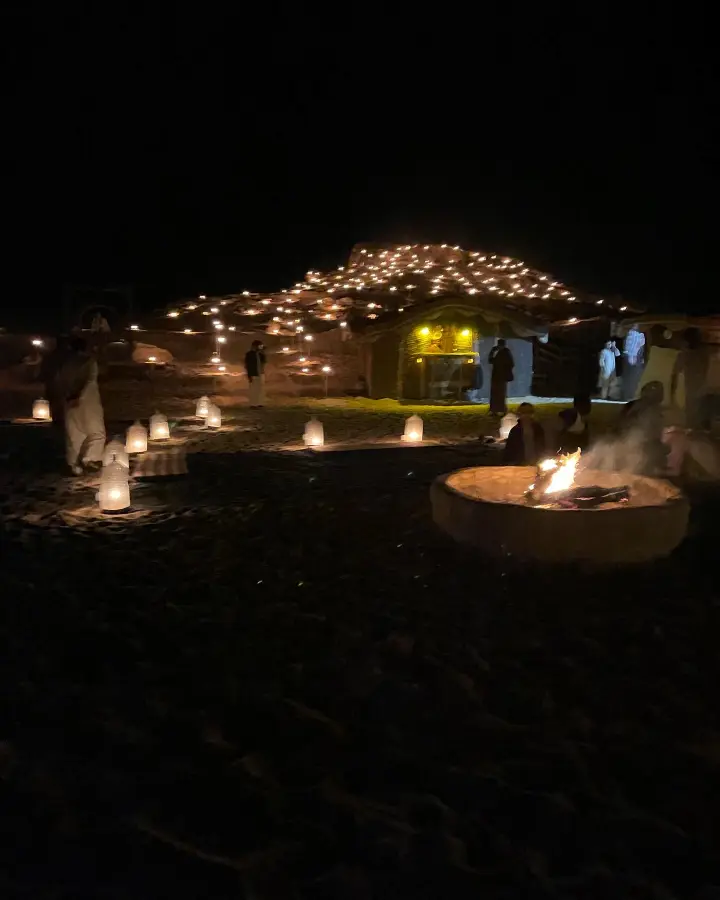
About 20 hours (afternoon to next late morning)
Overnight Desert Camp from Siwa (Private)About US$120 to 220 per person for two travellers
Check dates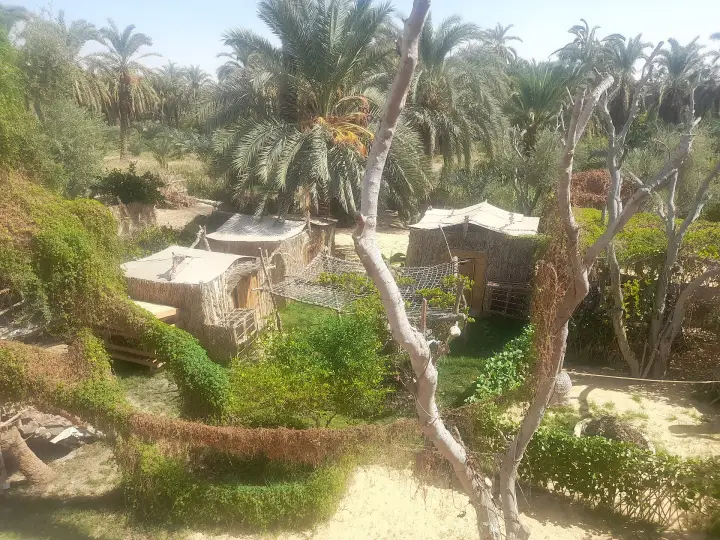
4 days, 3 nights
Siwa in 4 Days: Eco-Lodge and a Night in the Great Sand SeaAbout US$495 to 825 per person for two travellers (the lodge level decides the price)
Check dates