The short answer
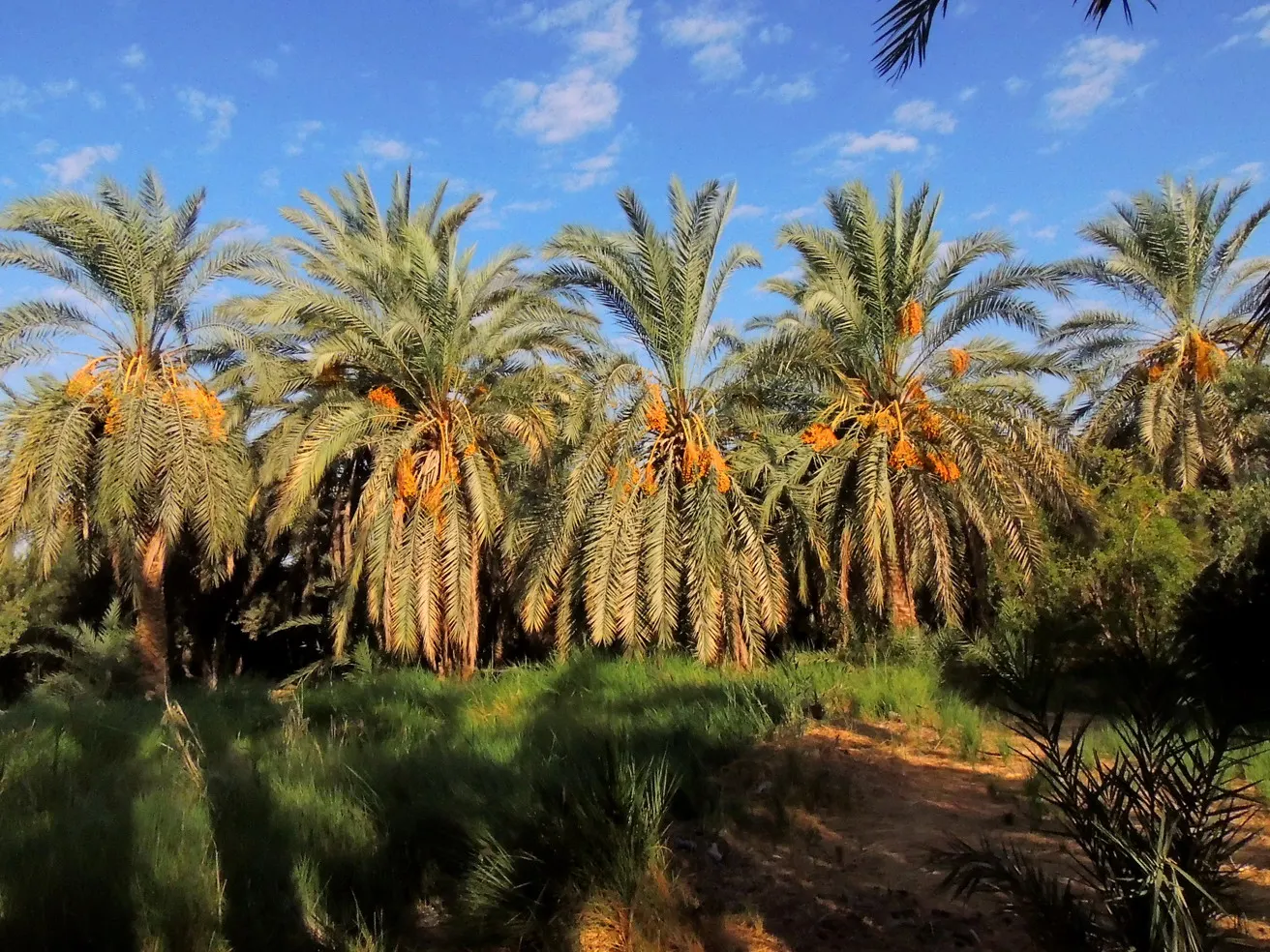
Siwa has about 280,000 date palms producing about 25,000 tonnes of dates a year, according to the UN's FAO, so dates and olive oil turn up at every meal. Siwan cooking is simple and slow: stews, bread and rice in town, meat cooked under hot sand in the desert. Dates are picked from September to January by variety, most in October. Meals end with strong sweet tea.
Ask us on WhatsAppSiwan food at a glance
Short answer: Siwan food is built on what the gardens grow: dates, olives, mint, tomatoes and greens, with bread, rice and slowly cooked meat. In town you eat everyday Egyptian food plus a few Siwan dishes; lodges cook from their own gardens; desert crews cook over embers and in the sand.
The gardens set the menu. The UN Food and Agriculture Organization listed Siwa's date production system as a Globally Important Agricultural Heritage System in 2016. FAO counts around 280,000 palms, about 25,000 tonnes of dates a year (roughly 2% of Egypt's crop), about 27,500 tonnes of olives a year and 46 crop species grown in three layers: palms on top, fruit trees in the middle, vegetables and herbs on the ground (checked 17 November 2026). Spearmint, molokhia and karkade (hibiscus) all come from that bottom layer.
| Food | What it is | Where to try it |
|---|---|---|
| Dates | Fresh, semi-dry, dried, stuffed or pressed into agwa paste | Every tea table; shops on the market square |
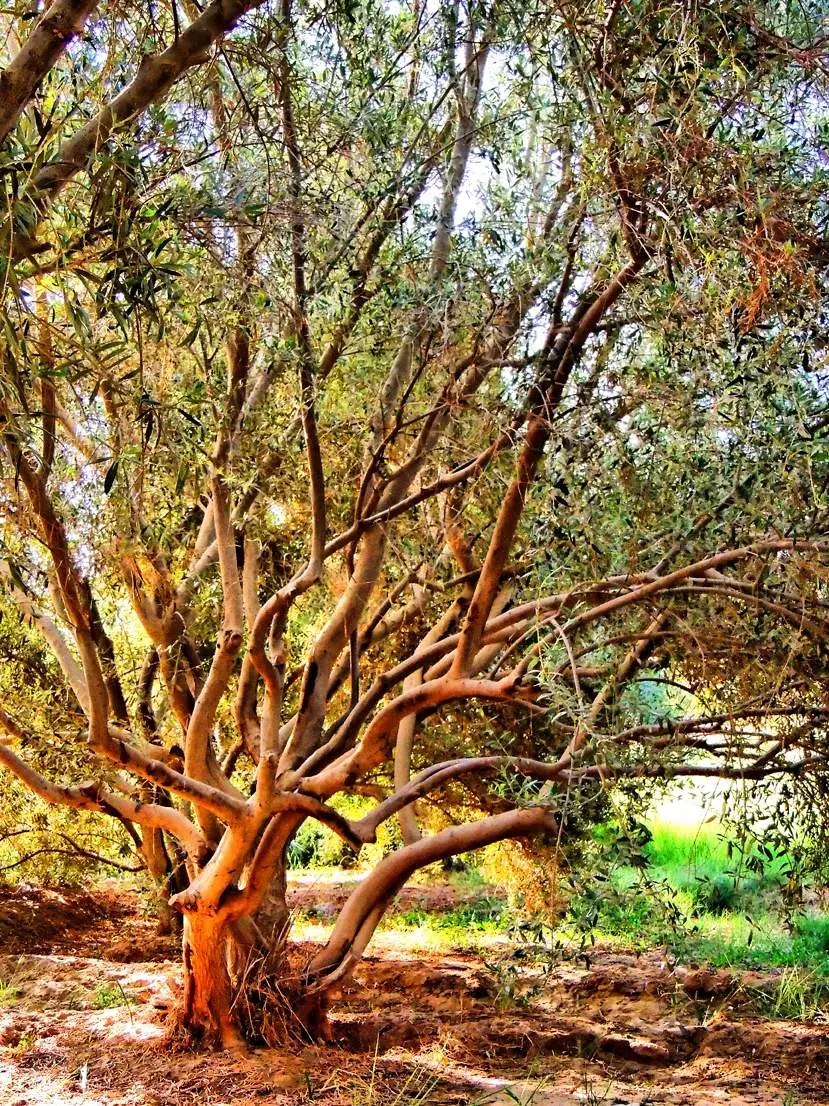
| Olive oil and olives | Green, peppery oil; salt-cured table olives | Breakfast, salads, lodge kitchens |
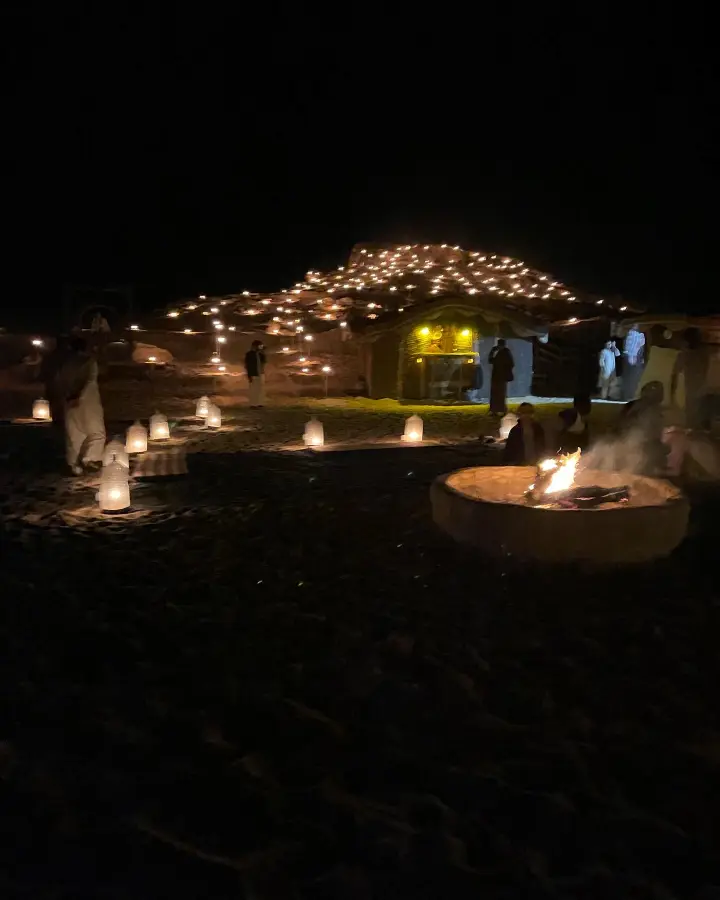
| Abu mardam | Meat buried with embers in sand and cooked for hours | Desert camps, feasts |
| Fattah | Toasted bread, rice and meat soaked in broth | Festivals, family celebrations |
| Tarfant and tagilla | Bread or dough eaten with olive oil and dates | Siwan homes; ask a lodge cook |
| Siwan tea | Green or black tea, strong, sweet, often with mint | Offered wherever you sit |
| Karkade | Hibiscus tea, hot or iced | Cafés and lodges |
Dates: varieties and when they ripen
Short answer: Siwi, Frehi and Azzawi are the main varieties. Picking starts in September, peaks in October and ends with a rare soft date in winter.
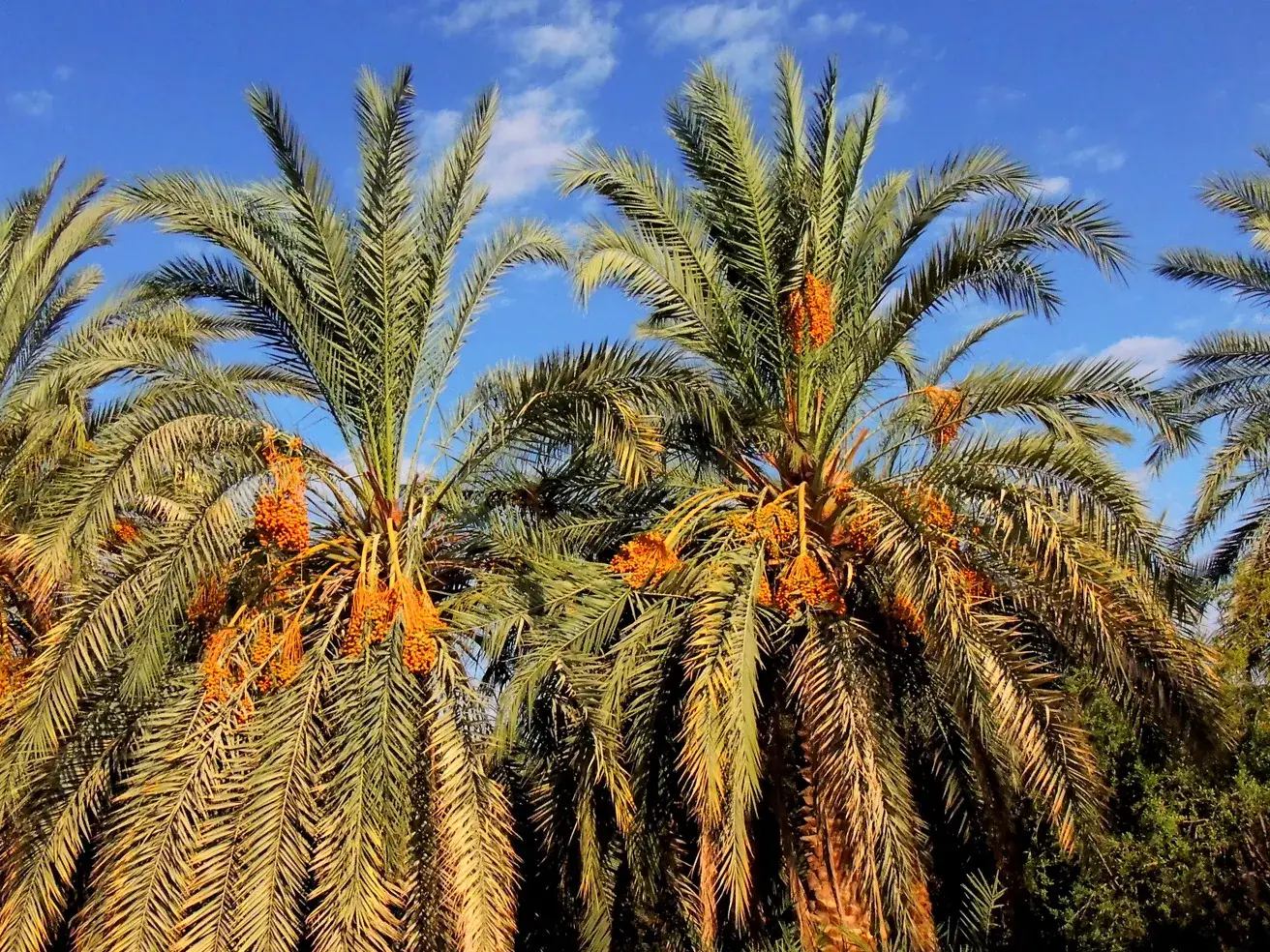
Slow Food's Siwa dates presidium names three main varieties, Siwi, Frehi and Azzawi, and three rarer ones it describes as at risk: Ghazaal, Takdat and Amnzou. It also gives a harvest calendar for each (checked 17 November 2026):
| Variety | Harvest | Notes |
|---|---|---|
| Amnzou | September | Rare; the first to ripen |
| Siwi | Early October | One of the three main varieties |
| Azzawi | Early October | One of the three main varieties |
| Frehi | Not listed by month | One of the three main varieties |
| Ghazaal | Late October | Semi-firm flesh; rare |
| Takdat | December to January | Very soft; rare |
Egypt's industry minister called Siwa a key production area for high-value semi-dry dates when the oasis hosted the 9th International Egyptian Dates Festival from 14 to 16 October 2026 (checked 17 November 2026). Watch for the next edition's dates if you are planning an October trip; see Siwa in October.
Pickers climb the trunks by hand with a belt of palm fibre, and FAO notes each crown needs climbing at least three times a year for pollination, harvest and pruning. Dates not eaten fresh are dried; Slow Food reports oven drying at around 70 °C.
Dishes worth asking for
Short answer: Ask a lodge or guide about Siwan home dishes, eat Egyptian staples in town, and save abu mardam for a night in the desert.
Siwan home cooking uses dates and oil in ways restaurant menus rarely show. Slow Food lists three: elhuji (egg, olive oil and dates), tarfant (bread, olive oil and dates) and tagilla (flour, olive oil, water and dates). Ask your guide or lodge cook; they are home food rather than restaurant dishes.
Wikipedia's Siwa Oasis article adds two more: heart of palm (agroz), and fattah as the shared meal of the Siyaha festival, when men gather on Gebel Dakrour for three days to eat together and settle quarrels. The food is paid for with funds gathered by the oasis's mosques. For the festival's place in Siwan life, see Siwi people and culture.
In town, menus also carry ful (stewed fava beans), falafel, koshary, grilled chicken, kofta, rice, salads and pizza. Names, settings and what each restaurant does well are in restaurants in Siwa.
Where to eat, by distance from the market square
Short answer: Most restaurants sit within a few minutes' walk of the square below Shali. Spring cafés and dune camps are 2.5 to 4.5 km out, so plan a ride back after dark.
Road distances and car times below were routed on OpenStreetMap data with OSRM from the market square (checked 17 November 2026). Tuk-tuks take longer than these car times. How to cover them is in getting around Siwa.
| Where | Road distance from the square | Car time | What you eat there | Getting back at night | |---|---|---|---| | Market square and Shali | Under 0.5 km | Walk | Egyptian staples, grills, tea | Walk | | Aghurmi and the Oracle Temple area | 2.4 km | About 4 min | Garden cafés, tea | Bike by day; tuk-tuk after dark | | Cleopatra Spring | 3.4 km | About 5 min | Tea, juice and snacks at spring-side cafés | Tuk-tuk | | Gebel Dakrour and dune-edge camps | 4.4 km | About 8 min | Camp dinners, barbecues | Camp transport or tuk-tuk | | Fatnas | About 4.5 km | About 11 min | Tea and snacks at sunset | Tuk-tuk or car | | Western lodges below the White Mountain | Beyond walking range | Ask us | Set dinners from lodge gardens | Car; book a driver |
Lodge restaurants usually need a booking for non-guests; see eco-lodges. If you want dinner at a lodge you are not staying in, ask us and we will check whether it takes outside guests that night.
Timing: meals, seasons and Ramadan
Short answer: Eat late in summer, early in winter, and expect slow kitchens all year. In Ramadan, the town eats after sunset.
- Daily rhythm. Town restaurants are busiest after dark, and cooked dishes are made to order, so do not leave dinner until you are starving.
- Summer. With fierce afternoon heat, people eat late and sit outside in the evening. See Siwa weather for monthly temperatures.
- Winter. Garden and rooftop seating gets cold after sunset; bring a layer or choose indoor rooms.
- Harvest season. September to November brings fresh dates to the market; October is the busiest month in the palm gardens.
- Ramadan. Ramadan 2027 is expected to run from about 8 February to 8 March 2027, per Wikipedia's calendar table (checked 17 November 2026; the start can shift by a day with the moon). Slow Food notes dates are eaten in the evening to break the fast. Daytime choice shrinks; nights are lively. See Siwa in Ramadan.
Costs and paying
Short answer: Eating in town is cheap by European standards; lodge dinners cost several times more. Pay in Egyptian pounds.
Prices shift with the exchange rate, so we do not print a menu price list here. For a full daily budget, see Siwa trip cost; for cash and cards, see money, ATMs and internet. Our own trips state which meals are included; ask us for current prices on lodge dinners and desert dinners.
- Carry small notes; change for large notes can run short.
- Check the bill against the menu before you pay.
Water and food safety
Short answer: Drink bottled water, eat cooked food at simple places, and get the travel vaccines your doctor advises.
The US CDC's Egypt page recommends hepatitis A vaccination for unvaccinated travellers aged one and over, and typhoid vaccination for most travellers, noting the typhoid vaccine is not fully effective, so safe food and water habits still matter (checked 17 November 2026). In practice:
- Use bottled or filtered water for drinking and brushing teeth.
- Raw salads are fine at busy restaurants and lodges; at very simple places, stick to hot, freshly cooked food.
- Peel fruit, or wash it in bottled water.
- On a desert trip, carry the water your guide suggests, and ask us how much we carry per guest.
For clinics and pharmacies, see health and pharmacies in Siwa.
Dietary needs, families and access
- Vegetarian: easy. Ful, falafel, lentils, eggs, cheese, vegetable tagines and salads are standard.
- Vegan: possible; spell out no butter, ghee, eggs, cheese or meat stock. Ask your guide to explain in Arabic.
- Gluten-free: rice, grills, ful and salads work, but bread comes with everything and cross-contact is likely. Tell us in advance on guided trips.
- Alcohol: none is sold in town; see is Siwa dry?
- Children: grilled chicken, rice, pasta, pizza, eggs and fresh juice are easy wins. Date shakes are popular.
- Mobility: rooftop seating means stairs and garden cafés mean sandy paths. Ask for a ground-level table with chairs; for lodge or camp meals, tell us about access needs when you book.
Food etiquette
- Eat and pass food with your right hand.
- Accept at least one glass of tea; it is how hosts welcome you.
- In a home, compliment the cooking and wait to be shown where to sit.
- Dress modestly when eating out in town.
More on manners: Siwa etiquette.
Mistakes to avoid
- Ordering hungry and late. Kitchens cook to order; order before you are starving, or have your guide phone ahead.
- Buying a kilo of one variety blind. Ask which variety is in the box and buy small amounts of two or three to compare first.
- Packing olive oil in hand luggage. Liquid limits apply; seal it and check it in.
- Turning up at a lodge for dinner unannounced. Non-guests usually need to book; ask ahead.
- Walking back from spring cafés after dark. Garden lanes outside town are dark; arrange a tuk-tuk before sunset.
Combine it with
- Morning: a palm-garden walk around Aghurmi and the Oracle Temple, then breakfast in town.
- Afternoon: a swim at Cleopatra Spring with tea at the spring cafés.
- Sunset: Fatnas for tea over the lake, then dinner near Shali. Ideas for later: evenings in Siwa.
- Night in the dunes: our overnight desert camp includes a fire-cooked dinner; the 4-day eco-lodge and desert camp trip adds lodge dinners. See camping in Siwa.
- Shopping: dates, agwa and olive oil sit alongside baskets and embroidery; see Siwan crafts.
Questions people ask
When is the date harvest in Siwa?+
It runs by variety: Amnzou in September, Siwi and Azzawi in early October, Ghazaal in late October and Takdat in December and January, according to Slow Food. Three of those five are picked in October.
Are there vegetarian options?+
Yes. Ful, falafel, lentils, vegetable stews, eggs, cheese, olives and bread are standard in town. Vegans need to ask for no butter, ghee, eggs or cheese. Desert crews cook vegetarian if you tell us when you book.
Is the tap water safe to drink?+
Drink bottled or filtered water, as you would elsewhere in Egypt. Bottled water is sold in every grocery in town. Take extra on any desert trip.
Can I eat in public during Ramadan?+
Eat and drink discreetly, out of public view, in daylight. Ramadan 2027 is expected to run from about 8 February to 8 March; the town eats together after sunset.
What food can I take home from Siwa?+
Dried dates, agwa (date paste) and sealed olive oil travel best. Put oil in checked luggage and check your home country's rules on importing food.
Is the food spicy?+
Rarely. Chilli is usually served on the side rather than cooked into the dish.
Do restaurants take cards?+
Do not count on it. Carry Egyptian pounds in small notes for meals, tea and market shopping.
Go with us
Trips that include this
About 20 hours (afternoon to next late morning)
Overnight Desert Camp from Siwa (Private)About US$120 to 220 per person for two travellers
Check dates
4 days, 3 nights
Siwa in 4 Days: Eco-Lodge and a Night in the Great Sand SeaAbout US$495 to 825 per person for two travellers (the lodge level decides the price)
Check dates