The short answer
Siwa in winter (December to February) means sunny afternoons of 19.3 to 21.5 °C and 231 to 253 hours of sunshine a month, with almost no rain (WMO normals). The catch is the night: mean lows run 5.6 to 7.1 °C and the record is -2.2 °C, so pack proper warm layers. Book early for Christmas and New Year.
Ask us on WhatsAppWinter in Siwa at a glance
Short answer: December to February is the season for long days outdoors in Siwa. Afternoons are warm enough for a T-shirt and rain is rare, but once the sun drops the temperature falls fast. Plan your days around the sun and your nights around warm layers.
The figures below are the official WMO 1961-1990 normals for Siwa, the single climate baseline used across this site, plus sunrise and sunset on the 15th of each month. Recent decades run a little warmer: Meteostat's 1991-2020 calculation gives highs of 20.2 to 21.8 °C and lows of 6.8 to 8.0 °C. All twelve months are on Siwa weather by month.
| Month | Mean high | Mean low | Sun hours | Sunrise / sunset (15th) | Worth knowing |
|---|---|---|---|---|---|
| December | 20.5 °C | 6.5 °C | 253 | 07:04 / 17:21 | Most humid month (59%); Geminids 13/14 Dec |
| January | 19.3 °C | 5.6 °C | 231 | 07:13 / 17:41 | Coldest month; record low -2.2 °C; Quadrantids 4 Jan |
| February | 21.5 °C | 7.1 °C | 248 | 06:57 / 18:07 | Windier than January, with about 5 days of blowing sand; Ramadan expected from about 8 Feb |
The whole year brings only about 9 mm of rain, with January, March and November the "wettest" months at about 2 mm each, so a grey winter day is unusual and a wet one is rare.
Typical values in Siwa town. Nights out in the dunes are a few degrees colder; individual days vary.
Why winter suits Siwa
Winter is when the oasis is at its most comfortable for doing things. You can cycle the loop to the Oracle Temple and Shali at midday without hiding in the shade, and a 4x4 safari into the Great Sand Sea can leave after lunch and still reach the dunes in soft, low light. The sun sets early, around 17:20 in December, so the useful part of the day is roughly 08:00 to 17:00. We plan walks and sightseeing in the morning and keep the afternoon for the desert.
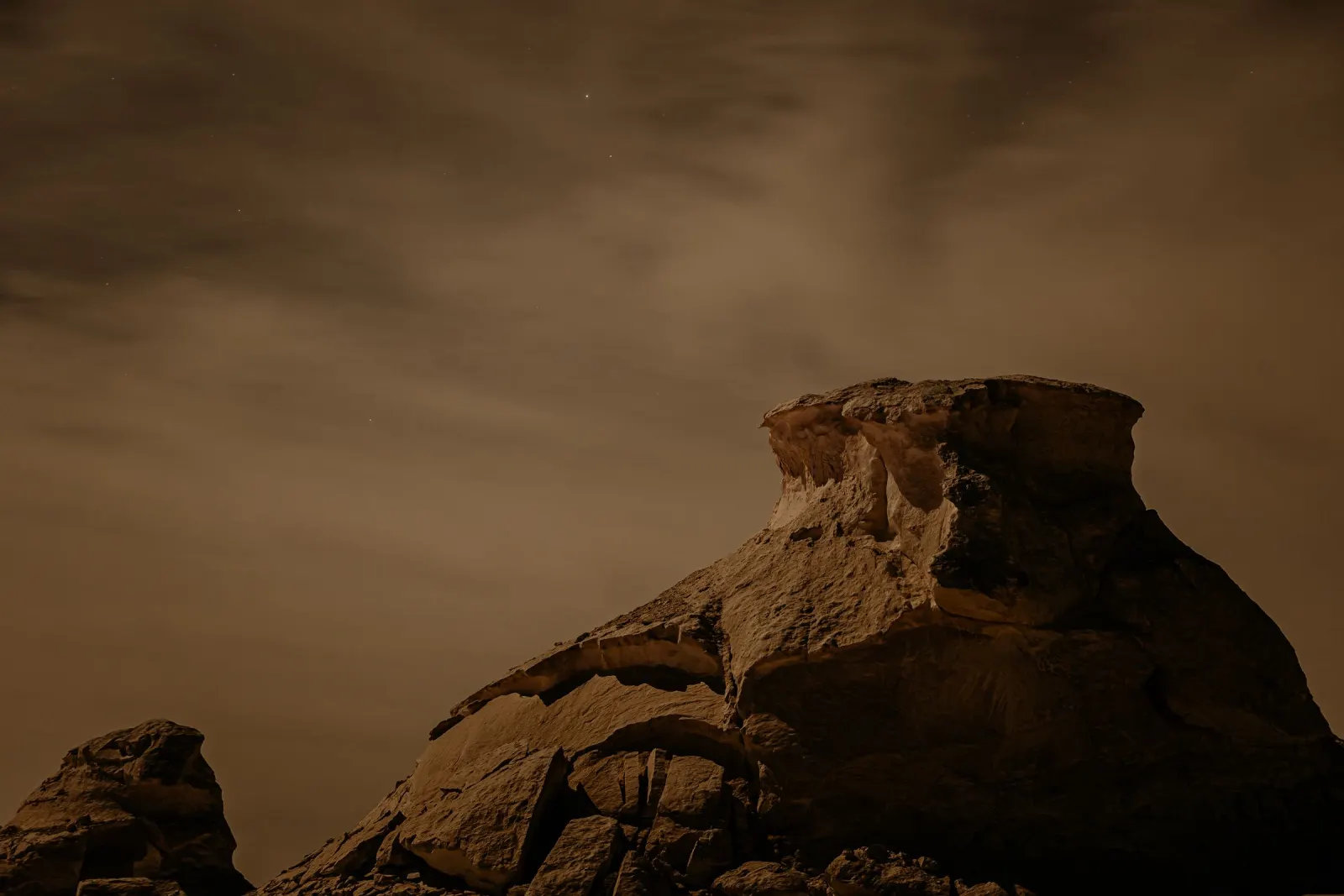
Winter light suits photographers: a lower sun, long shadows on the dune ridges and soft colour over the salt lakes. Our month-by-month detail is in Siwa in December, Siwa in January and Siwa in February.
The cold: what winter nights really feel like
Short answer: January nights average 5.6 °C in town and have dropped as low as -2.2 °C. In open desert it feels colder still, and wind makes it worse.
Visitors often pack for the daytime figure and get caught out. The drop after sunset is quick, and by 19:00 you want a proper jacket. Heating varies from lodge to lodge and even room to room: some rooms have electric heaters, others rely on heavy blankets. Many lodges heat water with solar panels, and some travellers report that it runs lukewarm in the evening on cloudy days or when a lodge is full. If a hot shower at night matters to you, ask the lodge before booking, and see our lodge facilities list.
A night in a desert camp in winter is magnificent, but only with the right kit. Good camps provide mattresses, heavy blankets and a fire; we still advise a sleeping bag rated to around 0 °C, a hat and a warm layer for the early morning. See staying in a desert camp for how a camp night works.
Warm springs and winter swimming
Winter is when Siwa's warm springs come into their own. The warm ones hold a fairly steady temperature while the air cools, so an afternoon soak feels wonderful.
- Cleopatra Spring: a deep stone pool that stays roughly in the high 20s °C all year. Lovely at midday, a little bracing when you climb out in the wind.
- Hot-spring camps under Gebel Dakrour: the spring at the mountain camps runs at about 38 °C. That figure applies to this spring only, not to other pools around the oasis.
- Bir Wahed: a sulphur spring in the dunes of the Great Sand Sea, with a cold lake nearby, reached only by 4x4. No measured water temperature is published, so treat it as a sunset soak rather than a guaranteed hot bath.
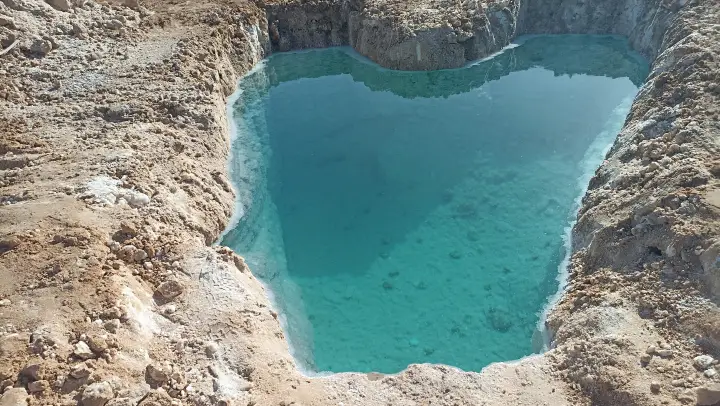
- Salt pools: these follow the air, so in winter they are cold. Float in the early afternoon, the warmest part of the day, and have a towel and fleece waiting.
More on each one in our guide to Siwa's springs.
Winter skies: Geminids and Quadrantids
Long, clear nights make winter a fine season for stars, provided you dress for it.
- Geminids, 13/14 December 2026: the year's richest shower, with a zenithal hourly rate of about 150 at its peak under ideal skies, and a Moon-free maximum according to the International Meteor Organization. The best night is 13/14 December. Full detail in Geminids in Siwa 2026.
- Quadrantids, 4 January 2027: a sharp peak at about 05:25 Egypt time (zenithal hourly rate about 80) with a thin crescent Moon about 15% lit. This is a pre-dawn event, so it suits a desert camp night and an early alarm.
- Full moons, 24 December 2026 and 22 January 2027: too bright for meteors, perfect for walking the dunes without a torch.
Winter skies do not show the Milky Way's bright core; that is a spring and summer sight. For a night built around the sky, see our full moon and stars trip and the stargazing guide.
Holidays and crowds
Short answer: In our experience the week from Christmas to New Year is the busiest of the winter. Coptic Christmas (7 January) and the 25 January public holiday can add busy days, and Egyptian mid-year school holidays usually bring more domestic visitors from late January.
Over New Year the dune camps are lively and the town fills with Egyptian and foreign visitors. If you want that atmosphere, book early; our Christmas and New Year trip handles rooms and a desert night. If you want quiet, aim for the first half of December or the second half of February.
In 2027, Ramadan is expected to begin around 8 February and run to about 8 or 9 March, with Eid al-Fitr around 9 to 11 March. Dates depend on moon sighting. Daytime is quieter as most Siwans fast and some cafés open only after sunset; lodges still serve guests, but check meal times when you book. A subtle penumbral lunar eclipse on the night of 20/21 February falls within it. See Siwa in Ramadan.
What to pack for a Siwa winter
- A down or heavy fleece jacket, a warm hat and light gloves for evenings
- Thermal base layer and warm socks if you are camping
- T-shirts and a long-sleeved shirt for the warm afternoons
- Sunglasses, a sun hat and sunscreen: the winter sun is still strong at midday
- A dark swimsuit and a quick-dry towel for the springs
- A scarf against wind and sand on safari
- A head torch for camp and for the walk back from dinner
Our full packing list and what to wear cover clothing in more detail.
How to plan a winter trip
Give winter at least four nights. The short days mean you fit less into each one, and a slower pace lets you enjoy the warm afternoons. A good shape: one day for the town, Shali and the House Museum, one for the Oracle Temple, Cleopatra Spring and the salt pools, then a safari into the dunes with a night at camp, and a spare day to cycle or rest.
If you want a week of sunshine with everything arranged, our winter sun week is built for exactly this season: comfortable lodges, warm springs and a well-equipped desert night. For a shorter break, the four-day eco-lodge and desert camp trip works well from December to February. Not sure winter is right for you? Compare the seasons in the best time to visit Siwa.
Questions people ask
How cold does Siwa get at night in winter?+
January is the coldest month, with a mean low of 5.6 °C in town. The lowest temperature on record is -2.2 °C. In our experience the open desert, with no walls or palms to break the wind, feels colder than town, especially before dawn.
Can you swim in Siwa in winter?+
Yes, in the springs. Cleopatra Spring stays roughly in the high 20s °C all year, which feels pleasant on a sunny afternoon, and the spring at the mountain camps under Gebel Dakrour runs at about 38 °C. The salt pools follow the air temperature, so they are cold.
Do Siwa lodges have heating?+
It varies by lodge and by room. Some rooms have electric heaters; others rely on heavy blankets. Many lodges heat water with solar panels, and some travellers report lukewarm evening showers in winter. Ask the lodge directly before you book.
Is Siwa busy at Christmas and New Year?+
Yes. The week from Christmas to the first days of January is the busiest of the winter, in our experience. Our own rule of thumb is to book rooms and any New Year desert night six weeks or more ahead.
When is Ramadan in 2027?+
It is expected to start around 8 February 2027 and end around 8 or 9 March, with Eid al-Fitr about 9 to 11 March. Exact dates depend on the sighting of the moon.
Go with us
Trips that include this
7 days, 6 nights
Siwa Winter Sun Week: 7 Slow Days, December to FebruaryOn request: mid-range, set by the lodge you choose and your dates
Check dates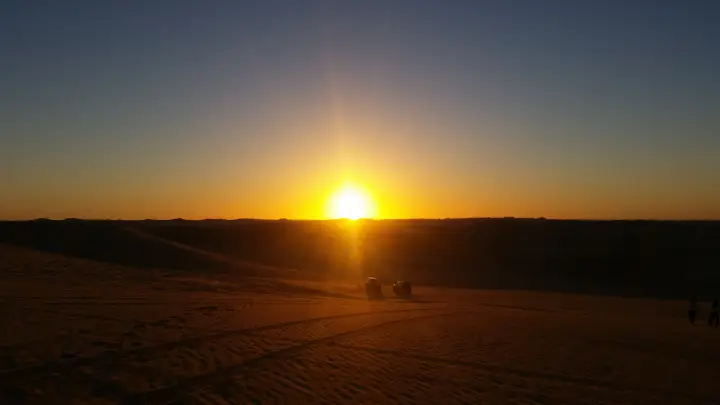
4 days, 3 nights
Siwa Christmas and New Year Trips from Cairo, 2026-27From about US$495 per person for two travellers, plus a holiday supplement quoted for your dates (prices updated November 2026)
Check dates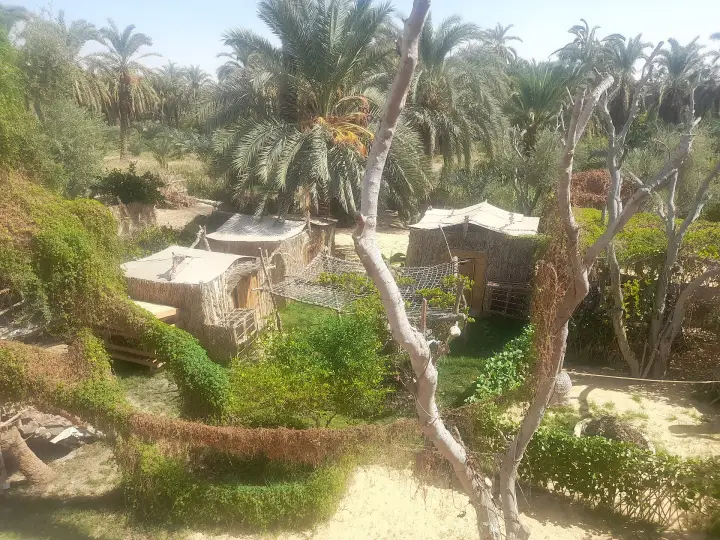
4 days, 3 nights
Siwa in 4 Days: Eco-Lodge and a Night in the Great Sand SeaAbout US$495 to 825 per person for two travellers (the lodge level decides the price)
Check dates