The short answer
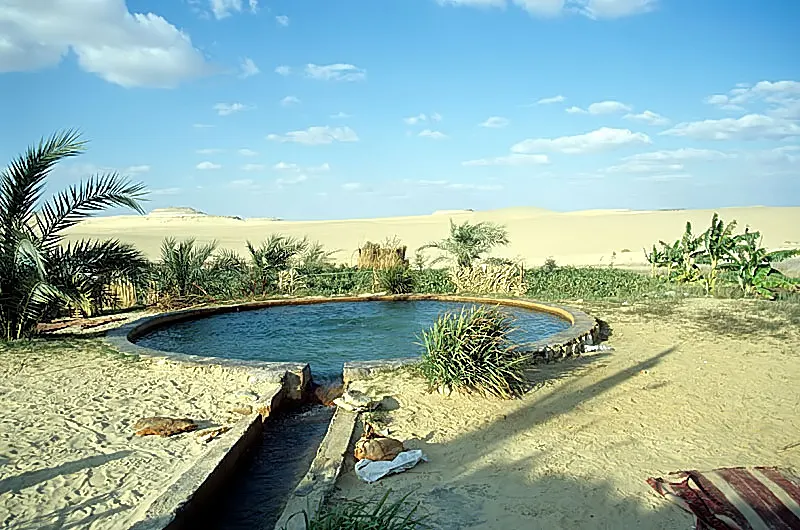
Siwa's warm-spring camps sit where the palm gardens meet the sand. The simple camps at the foot of Gebel Dakrour, about 4.5 km by road from the market square, offer a soak, tea, dinner and tents or basic rooms. Bir Wahed, a sulphur pool of about 30 °C beside a cold lake in the dunes, is reached only by 4x4. Go from October to April.
Ask us on WhatsAppHot spring camps, in brief
Short answer: a hot spring camp in Siwa is a small, simple place built around a warm pool on the edge of the dunes. You come for a soak and tea, stay for sunset and dinner, and sometimes sleep in a tent or basic room. The easy ones are at the foot of Gebel Dakrour; the classic desert pool is Bir Wahed, out in the sand.
They are at their best on a cool evening between October and April, when the air is cold and the water is not. The camps change hands and names over the years, so ask us which are open before you go. This page covers which springs to choose, what a visit is like, what to wear and what to bring. For every swimming spring in the oasis, including the town pools, see Siwa's springs.
The springs compared
Distances are by road from the market square below Shali, as measured for our getting around Siwa guide, unless marked as a straight line.
| Gebel Dakrour camps | Bir Wahed | Kegar | |
|---|---|---|---|
| Where | Foot of Gebel Dakrour, south-east edge of the oasis | In the Great Sand Sea, south-west of town | West of town |
| Distance | About 4.5 km by road, about 10 minutes | About 12 km in a straight line; the route over the dunes is longer | Ask us for the current track |
| Getting there | Tuk-tuk, car or bike | 4x4 with a licensed driver only | Car |
| Water | Warm; about 38 °C at the mountain camp we use | About 30 °C pool, sulphurous, beside a cold lake | Hot |
| Facilities | Tea, meals, tents or basic rooms, shared bathrooms | An open pool in the dunes; bring towel and water | Ask us what is open |
| Desert permit | No | Yes, filed by the operator | No |
| Best for | Winter evenings, families, an easy night out | A soak on a desert safari | Seeing a spring used by local families |
Bir Wahed's temperature is from Wikivoyage (checked 21 November 2026); the Dakrour figure is from our winter sun week. No spring has a published, official temperature, and figures shift with the season and the well.
What a hot spring camp is like
Short answer: a warm pool, a shaded place to sit, a fire after dark and simple food.
The camps below Gebel Dakrour are not resorts. Expect a warm pool fed by a spring or a well, a shaded sitting area with rugs and cushions, tea on the fire and simple meals. Some have tents or plain rooms for the night, with shared bathrooms and limited electricity. You will usually share the pool with other visitors.
Bir Wahed is different: an open pool in a hollow among dunes, with reeds round the edge and a small cold lake beside it. It is the soak on most dune trips, including our Great Sand Sea safari and overnight desert camp, and photographs published by Ahram Online show children wading in its sulphur pool on a safari. The landscape around it is covered on our Great Sand Sea page.
Why the water is warm
Siwa lies in a depression that reaches about 20 m (65 ft) below sea level, on top of one of the largest groundwater reserves on Earth. NASA Earth Observatory (checked 21 November 2026) explains that the oasis is fed by shallow groundwater from the Nubian Sandstone Aquifer System, and Wikipedia describes natural flowing artesian wells. The pools on the dune edge run warmer than the old town springs, and several smell of sulphur.
Spring water also feels warmer than it is in winter. A pool at 30 °C on a January evening, when the air in town averages a low of 5.6 °C, is a hot bath by comparison.
A visit, step by step
- Arrive in the mid-afternoon, while the sun is still warm, and soak first.
- Dry off and dress warmly before the light goes; the air cools fast after sunset.
- Tea, then sunset. At Dakrour, climb the lower ledges of the ridge for the view over the palms and the dunes.
- Dinner by the fire, if the camp serves it.
- Drive back to town, or stay the night.
| Month | Sunset on the 15th | Be in the water by |
|---|---|---|
| November | 17:23 | About 15:30 |
| December | 17:21 | About 15:30 |
| January | 17:41 | About 15:45 |
| February | 18:07 | About 16:00 |
| March | 18:26 | About 16:30 |
| October | 18:48 | About 16:45 |
Sunset times from timeanddate.com, as listed on our Siwa weather page, in Egypt local time.
When to go
Short answer: October to April. In high summer a warm soak is uncomfortable by day, and Dakrour's summer draw is its hot-sand baths instead.
Air temperatures are Siwa town's WMO 1961-1990 normals, from our Siwa weather page.
| Months | Mean high | Mean low | Hot spring verdict |
|---|---|---|---|
| December to February | 19.3 to 21.5 °C | 5.6 to 7.1 °C | Best: a warm soak on a cold evening, but have dry clothes ready |
| March, April | 24.5 to 29.9 °C | 10.1 to 13.7 °C | Good; April is the windiest month |
| October, November | 25.0 to 30.5 °C | 10.2 to 15.5 °C | Very good; the calmest months |
| May to September | 34.0 to 37.5 °C | 17.8 to 21.7 °C | Only after dark; the summer draw at Dakrour is the hot-sand baths, from about July to mid-September |
Day visit or overnight
| Day visit | Overnight at a spring camp | |
|---|---|---|
| What you get | A soak, tea, perhaps a meal, sunset | Dinner, the fire, a night in a tent or basic room, a morning soak |
| Cost | A small entry fee or a food order | Camp's own rate; ask us |
| Bathrooms | Shared | Shared |
| Darkness | Sunset only | Fair; town lights sit to the north-west |
| Best for | Short stays, winter afternoons | A gentle first night out, families with small children |
A spring camp night is the soft option. For silence and a black sky in every direction, sleep out in the dunes instead: camping in Siwa compares every kind of camp, and our overnight desert camp shows what a dune night includes.
Costs
No official fee schedule is published for Siwa's springs. The camps charge for their own services, usually a small entry fee or the expectation that you order food, and set their own overnight rates. Prices change often, so ask us for current figures rather than relying on old blog posts. Bir Wahed comes as part of a desert trip: our Great Sand Sea safari costs about US$60 to 130 per person, with the desert permit included (prices updated November 2026). For a whole-trip budget, see Siwa trip cost.
Dress and etiquette
- Cover up at shared pools. Men swim in shorts. Foreign women usually wear a T-shirt and shorts or leggings over a swimsuit, unless the camp tells you otherwise; see what to wear in Siwa.
- Siwan women do not swim in public springs, and you should not photograph local swimmers or women nearby. More on local customs in Siwa etiquette.
- No soap or shampoo in the pool. Spring water runs on to the gardens.
- Women travelling alone may prefer a lodge pool; see Siwa for solo women travellers.
Health and safety
- Do not drink the water. Pools are untreated, and NASA notes that near-surface groundwater in Siwa is salty. Bring bottled water.
- Limit time in very hot water. If you are pregnant, or have heart or blood-pressure problems, ask your doctor before travel and skip the hottest pools.
- Keep small children out of anything hotter than lukewarm, and watch them at the edge.
- Wear flip-flops on wet stone and concrete.
- Have a towel and warm layers within reach. Getting out of a warm pool into a January dusk is the coldest moment of the day.
- Keep valuables in the car or at your hotel.
- Do not wander into the dunes past the camps. The desert proper needs a licensed 4x4 driver and a permit; see permits and checkpoints.
For pharmacies and clinics, see health and pharmacies in Siwa.
What to bring
- Old, dark swimwear that sulphur water can stain
- A towel, flip-flops and a T-shirt to swim in
- A fleece, hat and dry clothes for after the soak
- A head torch for the walk back to the car
- Cash in small Egyptian pounds for entry and tea
- Sunscreen applied well before you get in
The full list is on our Siwa packing list.
Mistakes to avoid
- Wearing your best swimsuit to a sulphur pool. The stains do not wash out.
- Arriving at sunset in winter. The air is cold by then; soak in the afternoon.
- Trying to reach Bir Wahed by tuk-tuk or ordinary car. It needs a 4x4 and a licensed driver.
- Expecting a spa. These are simple camps with shared bathrooms.
On a trip
Our Great Sand Sea safari and overnight desert camp both stop for a soak at Bir Wahed, and the winter sun week spends an afternoon in the hot spring at a Gebel Dakrour mountain camp. We can add a spring camp evening to other Siwa trips; contact us with your dates, or browse all tours.
Questions people ask
Can I visit a hot spring camp without staying the night?+
Yes. The camps below Gebel Dakrour take day visitors for a soak, tea or a meal. Expect a small entry fee or to order food; each camp sets its own price, so ask us for current figures.
How hot is the water?+
It varies by spring. Wikivoyage puts Bir Wahed at about 30 °C, against about 29 °C at Cleopatra Spring in town. The hot spring at the Gebel Dakrour mountain camp used on our winter sun week runs at about 38 °C.
Do I need a permit to visit?+
Not for the camps below Gebel Dakrour, which are inside the oasis. Bir Wahed is in the Great Sand Sea, so you need a 4x4, a licensed driver and a desert permit, which the operator files.
Are Siwa's hot springs sulphurous?+
Some are. Bir Wahed is a sulphur pool, and Wikivoyage warns that its minerals stain swimwear and towels. Bring old, dark swimwear to any warm spring on the dune edge.
What should women wear at a hot spring camp?+
Siwa is conservative. At shared pools, foreign women usually wear a T-shirt and shorts or leggings over a swimsuit unless the camp says otherwise. Siwan women do not swim in public springs.
Is a hot spring camp a good first night in the desert?+
Yes, it is the gentlest one: shared bathrooms, a car close by and town about ten minutes away. It is less dark and less quiet than a camp out in the dunes.
Go with us
Trips that include this
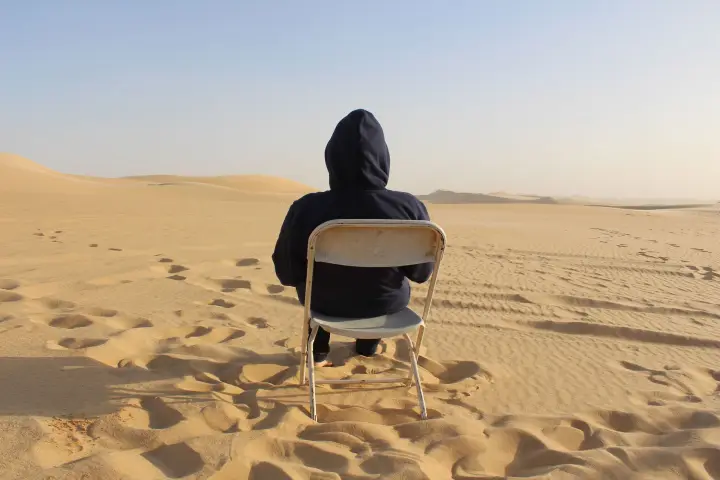
About 5 hours (afternoon to sunset)
Great Sand Sea Safari from Siwa (Half Day)About US$60 to 130 per person (shared or private car)
Check dates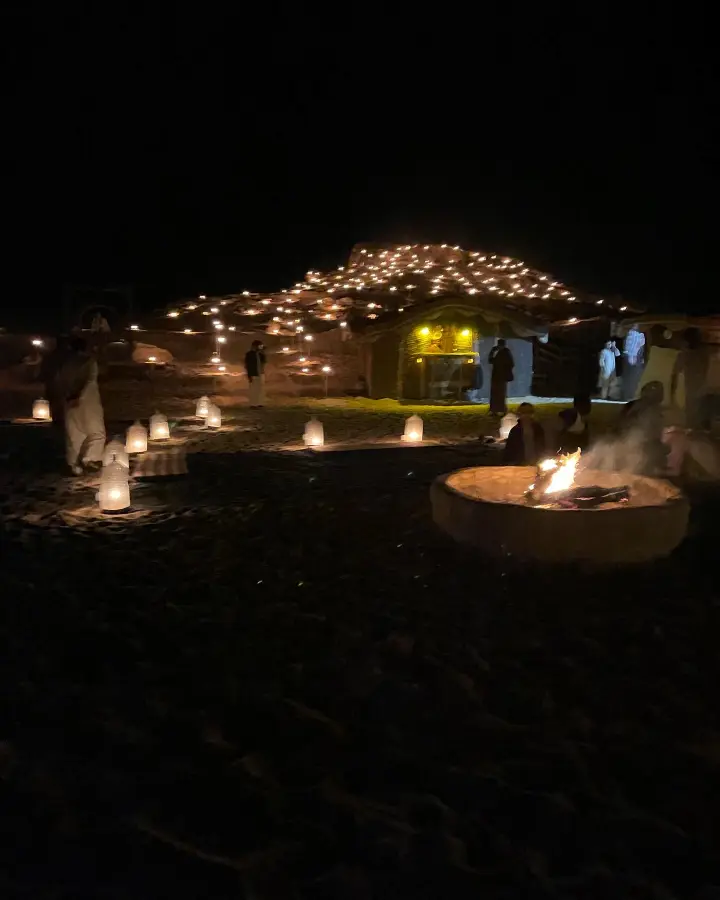
About 20 hours (afternoon to next late morning)
Overnight Desert Camp from Siwa (Private)About US$120 to 220 per person for two travellers
Check dates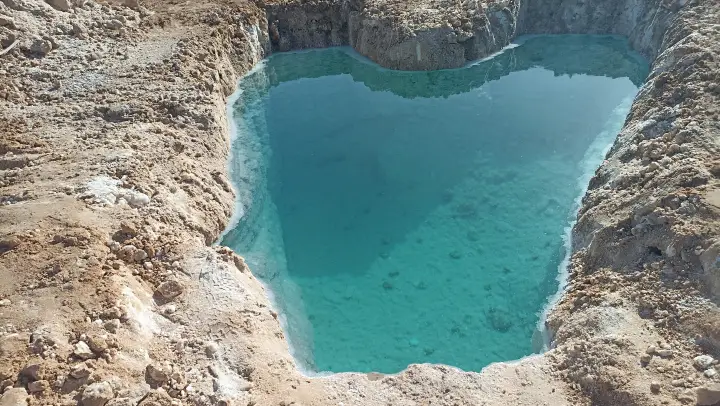
7 days, 6 nights
Siwa Winter Sun Week: 7 Slow Days, December to FebruaryOn request: mid-range, set by the lodge you choose and your dates
Check dates